
Discover the secrets to cultivating stunning cherry blossom trees in your garden with our comprehensive guide.
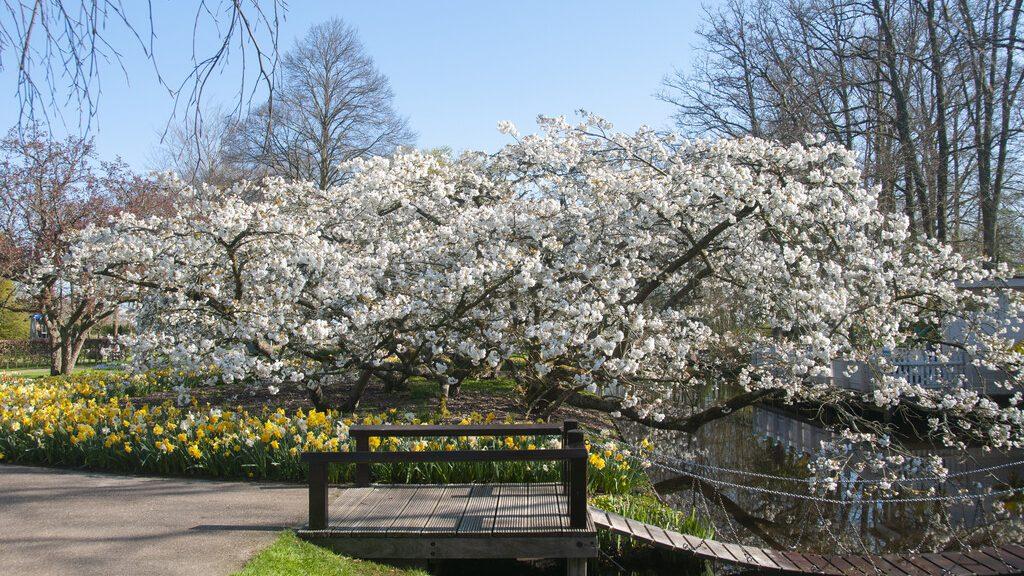
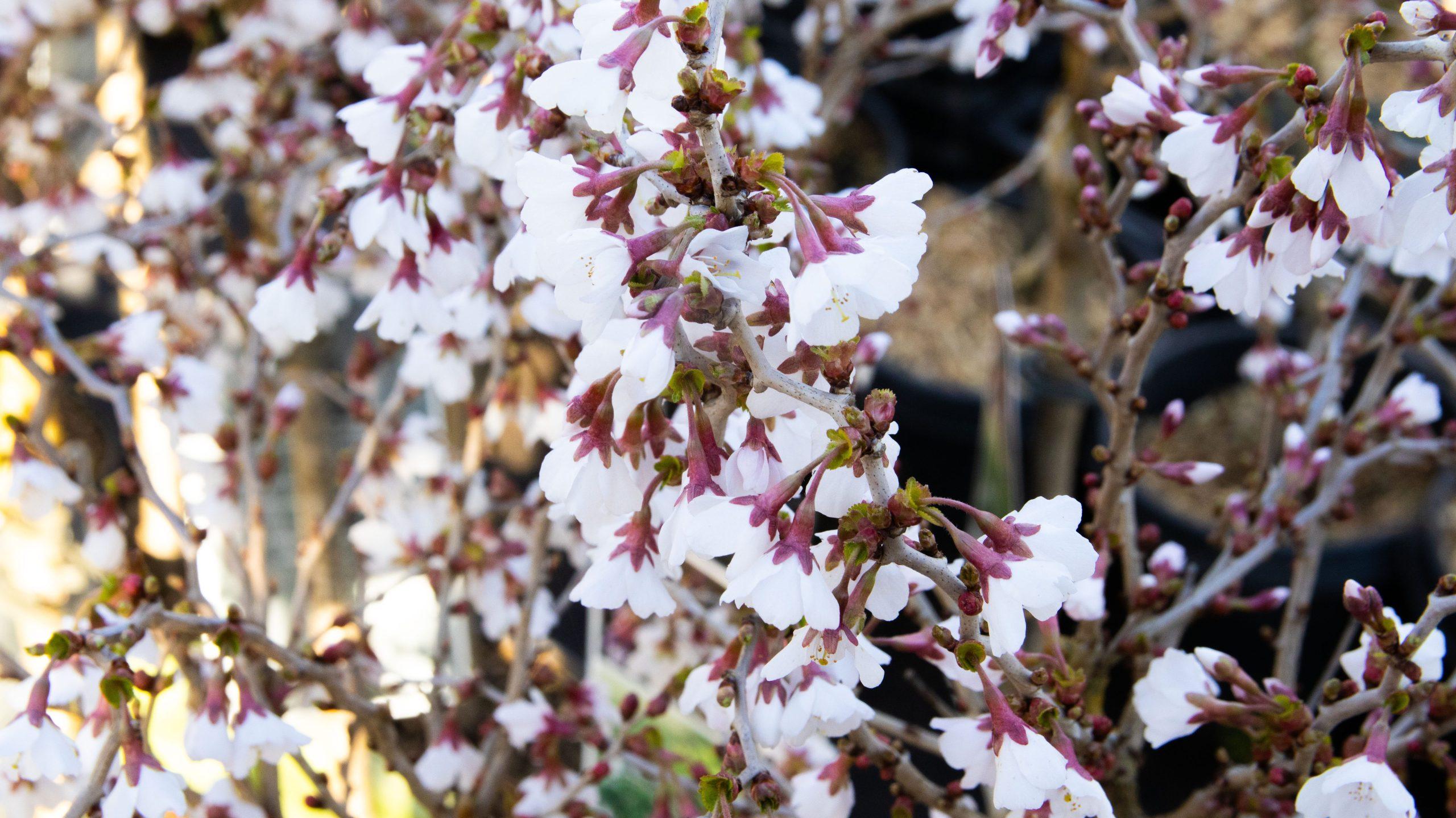
Cherry blossom trees, known for their exquisite but short-lived blooms, are a symbol of beauty and renewal. These trees, belonging to the Prunus genus, are celebrated for their delicate pink and white flowers that attract admirers each spring year after year.
Selecting the Right Cherry Blossom Variety
Understanding Different Cherry Blossom Species
When it comes to growing cherry blossom trees, selecting the right variety is crucial for achieving the stunning display you envision. Here are some popular cherry blossom varieties to consider:
- Prunus ‘Kanzan’: Prunus ‘Kanzan’ is celebrated for its spectacular spring display. From mid to late spring, the tree bursts into bloom with large, double pink flowers, creating a breathtaking canopy of colour. The dense clusters of vibrant blossoms not only provide a stunning visual but also attract pollinators and bees. In summer, the tree’s lance-shaped green leaves offer a striking backdrop, which transform into warm shades of orange and bronze in autumn, ensuring year-round interest.
- Prunus ‘Nigra’: The Prunus ‘Nigra’, commonly known as the Black Cherry Plum, is an exquisite ornamental tree that enriches gardens with year-round visual appeal. In early spring, it produces an abundance of delicate pale pink blossoms that beautifully contrast with its deep purple, nearly black foliage. These blooms not only enhance the garden’s aesthetic but also contribute to its biodiversity by attracting pollinators such as bees. As the seasons transition, the rich dark leaves transform into vibrant shades of red and orange in autumn, creating a striking backdrop that highlights nature’s seasonal changes.
- Prunus ‘The Bride’: The Prunus ‘The Bride’ cherry blossom tree is an elegant addition to any patio or small garden, offering a delightful touch of spring. From early to mid-spring, this ornamental tree captivates with its stunning display of pure white, bowl-shaped flowers, which are beautifully complemented by vibrant red stamens. In addition to their visual appeal, these blossoms attract pollinators such as bees, enlivening your garden with their presence. The tree’s foliage emerges with a bronze tint, transforms to lush green during the summer, and culminates in a striking array of deep orange and red hues in autumn. While Prunus ‘The Bride’ may bear small fruits in summer, its primary charm lies in its breathtaking floral display.
When choosing cherry blossom trees, consider your area’s climate and hardiness zone. Each species has specific requirements that can affect its growth and blooming potential. Additionally, your garden design should align with aesthetic differences such as flower colour, size, and tree shape.
Factors to Consider When Choosing a Variety
Before you decide on a cherry blossom variety, ensure you have enough room for the tree’s height and spread. Some varieties can grow quite large, while others are more compact. Different varieties bloom at different times, so choose the variety that aligns with your desired flowering period and garden theme. Some cherry blossom trees are more susceptible to diseases than others, so be sure to keep this in mind and research the maintenance needs of each variety to find one that fits your garden style and condition.
Ideal Growing Conditions for Cherry Blossom Trees
Soil Requirements for Optimal Growth
To grow cherry blossom trees successfully, it’s essential to provide the right soil conditions. Cherry blossom trees generally thrive in well-draining, loamy soil, which allows for proper root development and prevents waterlogging. The ideal soil pH for cherry trees is between 6.0 and 7.0. You can test your soil’s acidity with a simple pH test kit and adjust its levels accordingly. Incorporate organic matter such as compost into the soil to enhance its nutrient content and fertilisation should be done in early spring with a balanced fertiliser to support healthy growth.
Watering your Cherry Blossom Trees
Proper watering is vital for the health of cherry blossom trees. Water your trees deeply but infrequently, allowing the soil to dry out between watering sessions. A general guideline is to water once a week, adjusting based on how much rain you experience. Look for yellowing leaves or wilting as signs of underwatering, while root rot or leaf drop may indicate overwatering. During hot summer months, increase the watering frequency; in cooler seasons, reduce it accordingly.
Planting Bare Root Cherry Blossom Trees
Cherry Blossoms are often sold as bare-root young plants, which are usually cheaper and better value than pot-grown and more mature plants. Planting them requires a slightly different approach, but they are still simple to plant.
Before planting, it is a good idea to soak the roots of your bare root tree in water for between 24 and 48 hours before you plant. This helps to rehydrate the roots if they have been stored or transported for a long time.
Dig a hole around 30cm deep, straight down, and place your bare-root tree so that the roots are covered by the soil when you fill it back in with good-quality compost. Bare-root trees can sometimes be more fragile than pot-grown ones and benefit from being planted with a stake.
Once the tree is planted in the hole, place a wooden stake into the planting hole around 5 to 10cm away from your plant, at least two-thirds of the height of the plant. Secure with a tree tie to ensure your cherry blossom stands firm against the wind.
The planting instructions are the same if the Cherry Blossom you purchased is already pot-grown. However, you do not need to soak the roots before planting. Once your tree is planted, please give it a good watering around the base to help it establish.
Caring for Your Cherry Blossom Trees
Pruning and Maintenance Tips
Regular maintenance is key to ensuring your cherry blossom trees flourish. The best time to prune cherry blossom trees is in late winter or early spring before new growth begins. This helps to encourage healthy blooms and new growth. Use clean, sharp tools to remove dead or diseased branches and shape the tree. Aim for a slightly open center to allow sunlight to penetrate. Monitor your trees for signs of pests or diseases, as early intervention is crucial for maintaining tree health.
Seasonal Care and Fertilisation
To keep your cherry blossom trees thriving, use a slow-release fertiliser in early spring. Look for one that is high in phosphorus to promote blooming. Apply a layer of mulch around the base of the tree to retain moisture and suppress weeds. As winter approaches, ensure your trees are adequately mulched, and consider wrapping young trees with a frost protection jacket to shield against cold temperatures.
Did you know?
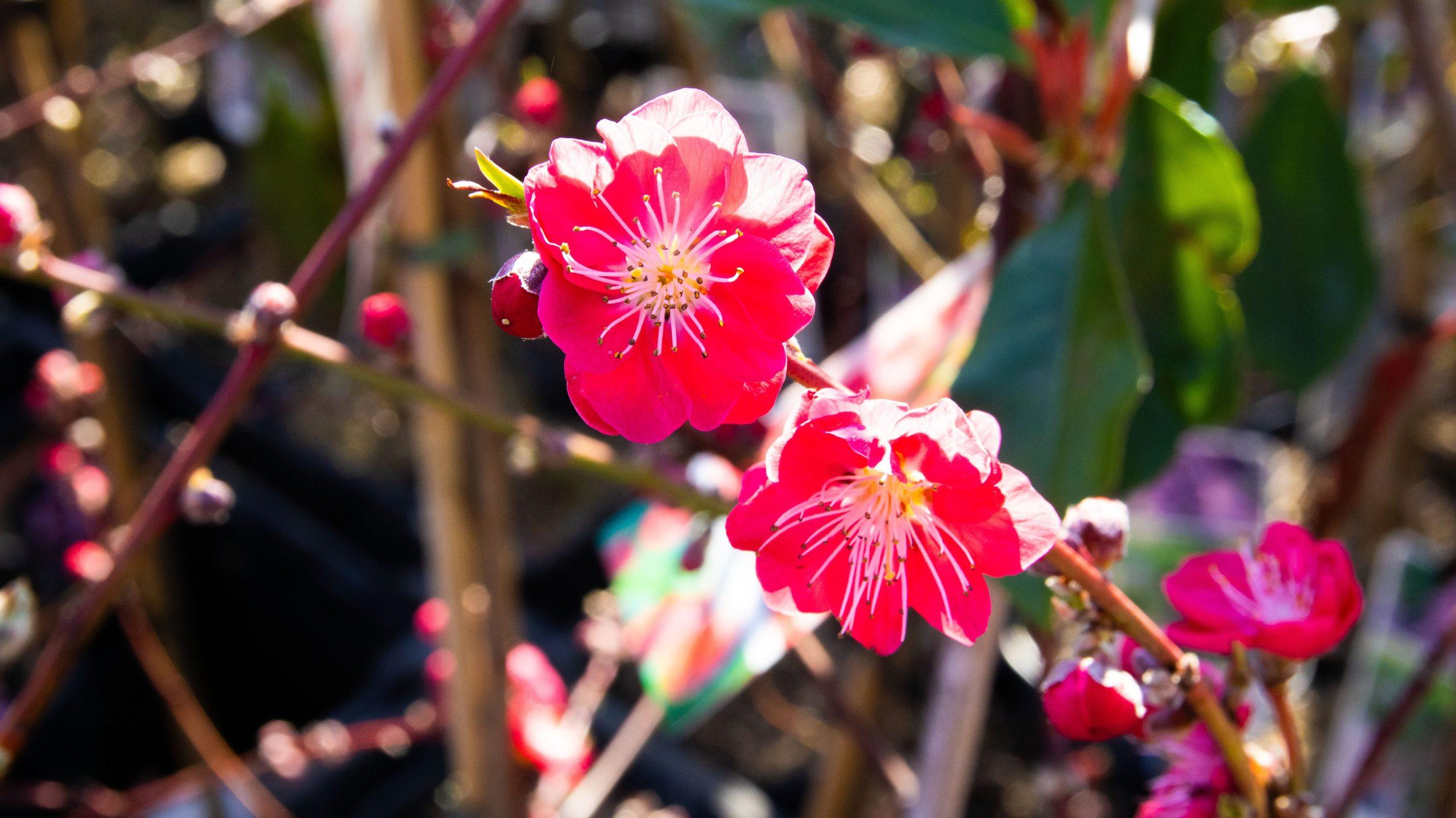
The cherry blossom is Japan’s national flower and is deeply embedded in the country’s cultural identity. It symbolizes the transient nature of life—a concept rooted in the Buddhist idea of mono no aware, which means the awareness of impermanence. Every spring, Japan’s cities and woodlands transform into a pink wonderland as cherry trees bloom across the country, drawing locals and tourists alike.
Some of the most famous spots to see the cherry blossoms in all their glory are Ueno Park and Shinjuku Gyoen in Tokyo, Maruyama Park in Kyoto, and the historic Hirosaki Castle in Aomori. Mount Yoshino in Nara Prefecture, with its thousands of sakura trees carpeting the mountainside, is also considered one of the most breathtaking places to enjoy these stunning cultivars. The bloom typically begins in the south in late March and sweeps northward through April, drawing thousands of tourists from across the world to see the display.