
Sempervivums, commonly known as “houseleeks”, are hardy succulents that have become increasingly popular in gardens across the UK. With their unique rosette shapes and vibrant colours, sempervivums make an excellent addition to any garden or container display. In this article, we will explore the features and benefits of growing sempervivums, along with essential tips for successful cultivation.
Features and Benefits of Sempervivums:
- Hardy and Drought-Tolerant: Sempervivums are renowned for their ability to thrive in challenging conditions. These succulents can withstand extreme temperatures, drought, and even frost, making them perfect for UK gardens.
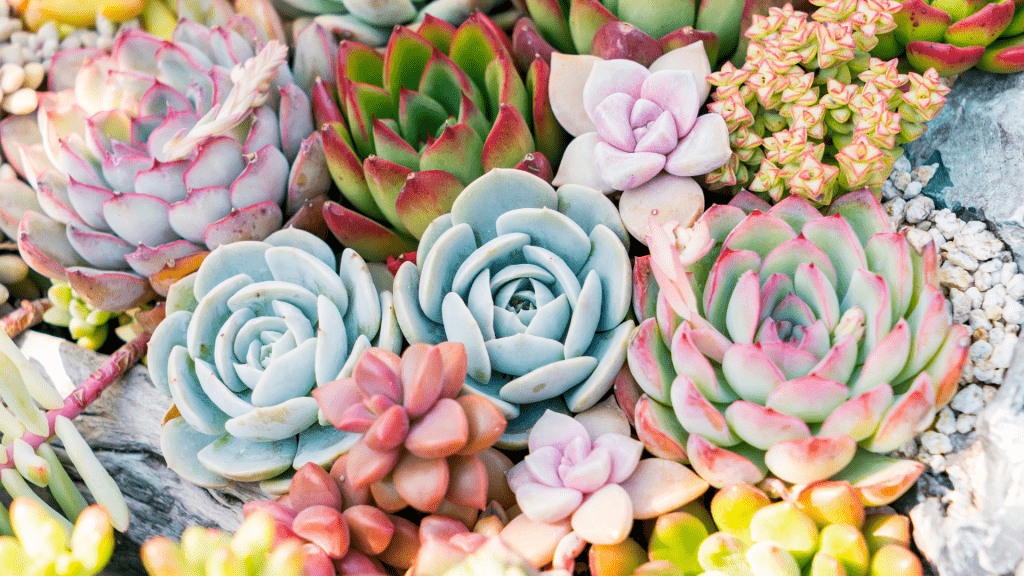
- Attractive Rosette Forms: Sempervivums form beautiful rosettes comprised of thick, fleshy leaves arranged in a stunning geometric pattern. The leaves come in various colours, including shades of green, red, purple, and even silver. The rosettes grow close to the ground, creating an eye-catching carpet-like effect.
- Low-Maintenance: One of the key advantages of growing sempervivums is their minimal care requirements. These resilient plants require very little water once established and are generally pest-resistant. They thrive in well-drained soil and can handle neglect, making them an excellent choice for busy gardeners or those new to gardening.
Tips for Growing Sempervivums:
- Location: Choose a spot in your garden that receives full sun or partial shade. Sempervivums prefer well-drained soil, so amend heavy or clay soils with compost or grit to improve drainage.
- Planting: Ensure the soil is loose before planting. Dig a small hole and place the sempervivum, ensuring the roots are spread out. Firm the soil around the plant, leaving the rosette above the ground.
- Watering: Initially, water newly planted sempervivums lightly to help them establish roots. Once established, reduce watering and only provide water during prolonged dry spells. Overwatering can cause the plants to rot.
- Propagation: Sempervivums produce “chicks” or offsets around the base of the mother plant. These can be carefully detached and replanted to propagate new plants. Alternatively, you can collect seeds from spent flower heads to sow and grow new plants.
Popular Sempervivum Varieties:
- Sempervivum Big Sam Power Grenade – Houseleek: These plants make spreading mats of beefy rosettes of foliage with star-formed blossoms in summer on short stems. Usually reaches a height of 7-15 cm (3-6 inches) and a spread of up to 30 cm. even thrives in a dry location with poor soil. Extraordinary for rock gardens to get by in the tightest breaks. Big Sam Power Grenade is a stunning variety that has a colouration that is a deep red for a lot of the year.
- Sempervivum ‘Chick Charms’ – Gold Nugget – Houseleek: Golden Nugget make spreading mats of fleshy rosettes of foliage with star-shaped summer flowers on short stems—hence the name Chick Charms. It is distinguished from other Sempervivum by its unusual and vivid colour form, which is golden yellow tipped with red when it is at its most attractive. It can be used to great effect in troughs, alpine beds, stone walls, and even to soften the gaps between paving slabs. It typically reaches a height of 7-15 cm and a spread of up to 30 cm. even thrives in a dry location with poor soil. Extraordinary for rock gardens to get by in the tightest breaks.
- Sempervivum Houseleeks – Pack of SIX Evergreen Hardy Succulent Plants: These plants make spreading mats of beefy rosettes of foliage with star-formed blossoms in summer on short stems. They typically reach a height of 7-15 centimetres and a spread of up to 30 centimetres. Sempervivum House leeks are great for rock gardens because they can survive in the smallest of cracks and thrive even in dry conditions with poor soil.
FAQs about Sempervivums:
Sempervivums are drought-tolerant and require minimal watering. Water sparingly, only when the soil is completely dry or during prolonged dry spells.
Sempervivums thrive in outdoor conditions, but they can be grown indoors if provided with ample sunlight and well-draining soil. Place them near a sunny window or under grow lights.
Sempervivums have a slow growth rate, but they form offsets or “chicks” that can be used for propagation. The plants typically take a few years to reach their full size.
In conclusion, sempervivums are a delightful addition to any garden, offering resilience, unique rosette forms, and low maintenance requirements. With the tips provided, you can enjoy the beauty of these succulents while creating a visually stunning display. Explore the wide range of popular varieties available, and embark on a sempervivum gardening adventure that will impress you.