
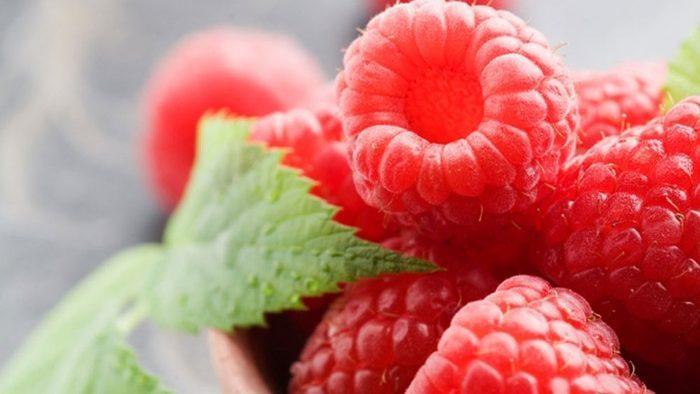
A cultivar for the middle of the growing season that produces a lot of fruit and is resistant to disease. It has a hefty fruit with a great flavor. Suggested for freezing. Glen Ample’s spine-free canes support hefty crops.
Key Facts:
Botanical Name: Rubus idaeus ‘Glen Ample’
Common Name: Raspberry
Family: Rosaceae
Plant Type: Fruit
How to grow Rubus ‘Glen Ample’
Ultimate Plant Size: 1.5 – 2.5 meters height. 0.1 – 0.5 meters spread. Time to ultimate height: 2 – 5 years
Aspect: South facing, west facing
Sun Exposure: Full sun, dappled shade
Hardiness: Hardy
Soil Type: Well drained, light, sandy, loam
pH: Acid, neutral
Growing
Rubus Idaeus Glen Ample Raspberry is a deciduous raspberry cane that won the RHS AGM and produces a lot of sweet red raspberries in the middle of the season. Due to its spine-free canes, the heavy cropper Glen Ample is ideal for children’s gardens.
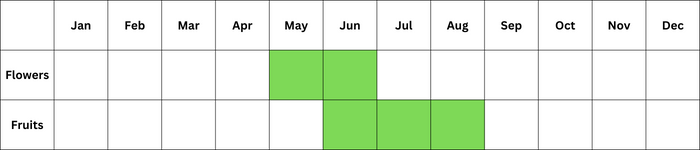
The lush dark green foliage of Raspberry Glen Ample appears in the early spring, shortly followed by tiny white flowers that attract pollinators. Because it is so appealing to bees, it also carries the RHS badge for “Perfect for Pollinators”. In the middle of summer, the fruit matures into large red raspberries with excellent flavour. Despite the abundant crop, the fruit should be frozen to reduce waste.
One of the best raspberries available during the midseason is here. It is dependable, tasty, and has canes without spines. A small raspberry bush is known as Raspberry Glen Ample It spreads over half a meter and reaches a maximum height of 2.5 meters. This is a robust raspberry that can withstand the cold, wet winters in the UK as long as its roots are well-drained and it receives ample sunlight. The RHS has noted its outstanding disease resistance.
Raspberry Glen Ample blends well with warm kitchen gardens, urban suntraps, and mixed borders. Because of its small size, it is perfect for fruit containers and cages. If you feed and water them well, you can grow this prolific raspberry in raised beds or pots, or you can simply plant it in your mixed border to attract pollinators and birds that eat fruit. Glen Ample is a good choice for jam makers as well because it is recommended for freezing.
Because dry raspberry canes won’t bear fruit, choose a sunny or partially sunny location in a sheltered area and give it plenty of water throughout the growing season. In the spring, particularly if you have alkaline soil, apply a rich, thick layer of organic mulch to the roots. Raspberry canes prefer spots that are neutral to acidic. Consider raised beds or containers instead if yours is extremely chalky. In the fall, prune all fruited canes to ground level and train new canes to support themselves on wires.
Plant Calendar
| Jan | Feb | Mar | Apr | May | Jun | Jul | Aug | Sep | Oct | Nov | Dec | |
| Plant | ||||||||||||
| Flowers | ||||||||||||
| Fruits | ||||||||||||
| Prune | ||||||||||||
| Harvest |
Shop Now

Related Articles
How to Grow Raspberries at Home: Succulent and Simple ↗
Learn more about growing raspberries at home! In this article you’ll learn how to grow at home from seed, propagating them from cuttings or buying plants. You’ll also find out the different types of raspberry plants available, what kind of soil they like best and how much light they need to thrive.