
The Dicksonia antarctica, also known as the Australian Tree Fern, is one of the most striking yet easy-going additions you can make to your garden. These impressive tree ferns are among the oldest plants in the world, dating all the way back to the dinosaurs!
Although a tree fern log’s size and ancient appearance might initially seem intimidating, caring for a Dicksonia antarctica log is surprisingly simple, even for new gardeners.
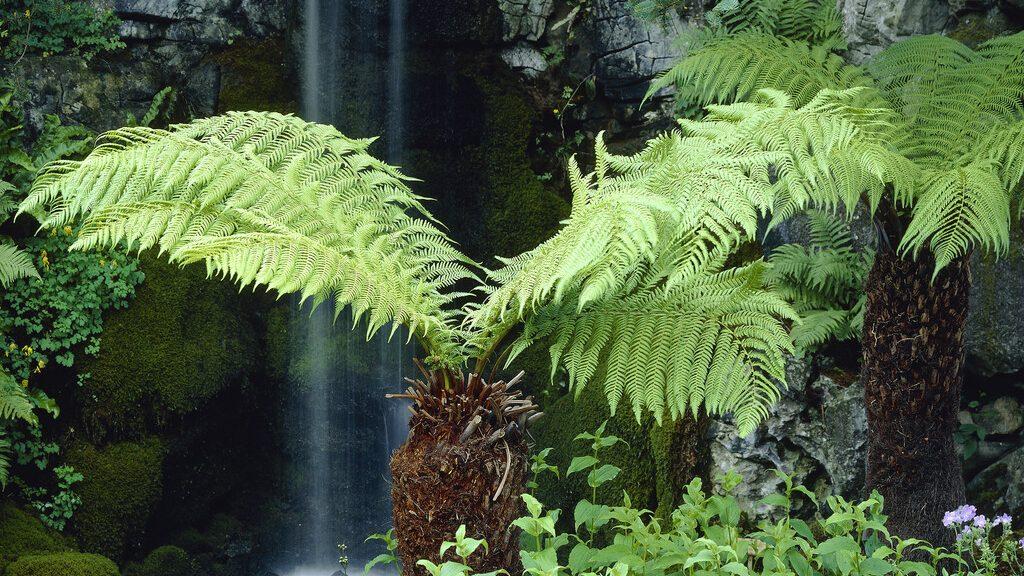
Growing a Tree Fern from a Log
Many gardeners choose to purchase tree fern logs when growing Dicksonia antarctica. These are sections of trunk harvested sustainably from mature ferns. These logs can then be grown into their own ferns by encouraging new fronds to grow from the crown at the top.
To do this, the fern crown, where the new leaves grow, must be kept consistently moist. Watering the top regularly during spring and summer, and misting the log itself during hot weather to replicate its natural humid forest conditions, will mean that within a few weeks or months, you should begin to see the first tightly coiled fronds, known as croziers, begin to unfurl.
How to Plant a Tree Fern Log
When planting your tree fern, choose a sheltered, partially shaded spot that avoids harsh midday sun and strong winds. Planting in these conditions will help to mimic the cool, moist forests of its native Australia.
To plant, dig a hole slightly wider than the base of the log you have purchased. Dig down so your hole is about 10-20 cm deep, ensuring the log stands firmly upright. If you have chosen to plant an already tall tree fern log, you may need to dig down deeper to ensure it stands securely.
Water the area thoroughly to settle the soil, and if possible, enrich the surrounding area with organic matter such as leaf mould or compost to help retain moisture.
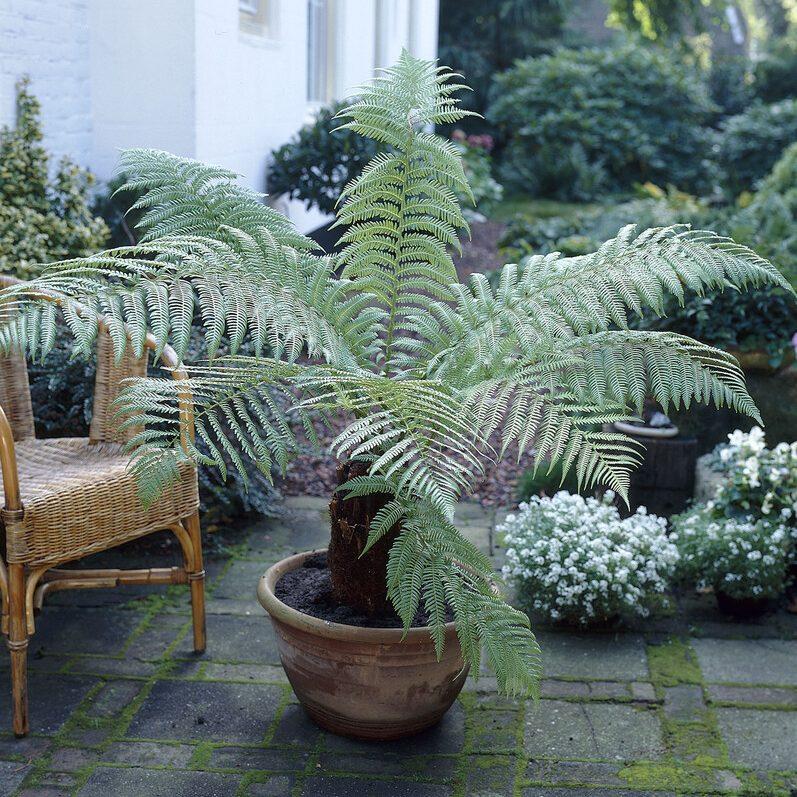
A Tree Fern Log is also a great option as a stand-out feature planted in a pot, for patios and smaller gardens. Choose a large container, big enough to support the size of your tree fern log, with good drainage and use a rich, moisture-retentive compost. Keep the pot well-watered after initial planting and during dry spells.
Ongoing Care and Watering
As mentioned, regular watering is the most important part of caring for a Dicksonia antarctica. Keep the crown and trunk damp during the warmer months and try to never let them dry out completely, especially if they are newly planted. Using a hosepipe and a watering can, soak the surrounding area thoroughly, and also pour water onto and into the top of the tree fern.
In very dry conditions, stand potted ferns in a saucer of water to help maintain humidity. Feeding every few weeks with a balanced, diluted fertiliser will keep fronds strong and vibrant.
With just a little attention, your tree fern will reward you year after year with a dramatic display of new, lush, tropical foliage. Whether planted in the ground or in a pot, growing a tree fern from a log is one of the most satisfying and surprisingly easy ways to bring an exotic touch to your garden.
Dicksonia Antarctica Growth
Dicksonia antarctica’s growth is slow but steady. Once established, a tree fern can produce a flush of new fronds every spring, adding lush greenery to shady borders or woodland gardens.
The trunk itself grows very slowly, typically around 2-5 cm per year. They will, however, keep going year after year until reaching several meters tall.
When it comes to the hardiness of Dicksonia antarctica, these ferns are impressively resilient. They can tolerate winter temperatures at around -10 °C once settled in the ground. In colder regions, you can protect the crown in winter by packing it with straw or covering the top with a specially designed frost bag for large trees.