
Whether you’re a seasoned gardener or a beginner, you’ll find valuable insights to help your Euonymus thrive in your home or garden.
What is Euonymus?
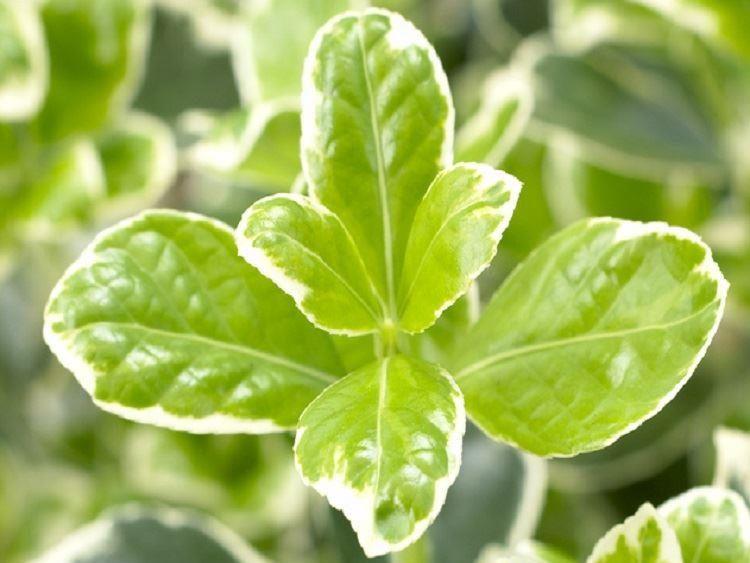
Euonymus is a genus of flowering shrubs within the Celastraceae family. There are well over one hundred varieties with differing characteristics and common names such as ‘spindle,’ ‘spindle tree,’ or ‘burning bush.’ Some Euonymus varieties can be evergreen, while others are deciduous, meaning they drop their leaves during wintertime.
Euonymus shrubs will produce flowers in small clusters, which, depending on the variety, can be green, yellow, white and much more. This versatile shrub is popular with gardeners thanks to its bright autumn colours, strong foliage and hardy nature. These shrubs are relatively easy to take care of and do not require much maintenance.
Some of the most popular varieties of Euonymus include:
Euonymus Alatus – Euonymus alatus, commonly known as Burning Bush, is a deciduous variety loved for its brilliant crimson-red foliage in autumn, making it a standout plant in any garden. It typically grows 1.5 to 3 meters tall and wide, forming a dense, mounded shape with distinctive corky “wings” along its branches.
Euonymus Japonica – Also known as Japanese Euonymus, this versatile evergreen variety has glossy, leathery foliage and is adaptable to various garden settings. Typically growing 1 to 3 meters tall, it forms a dense, upright shape ideal for hedging, topiary, or foundation planting. The species features rich green leaves year-round, but many popular cultivars offer striking variegation or colour. Common varieties include ‘Marieke’, ‘Green Spire’ and ‘Microphyllus.’
Euonymus Fortunei – Euonymus fortunei, commonly known as Wintercreeper, is a versatile and hardy evergreen Euonymus used as a groundcover, climber, or low shrub depending on how it’s grown. Native to East Asia, it features small, leathery leaves that are often variegated and provide year-round interest. This variety is highly adaptable, thriving in full sun to deep shade and tolerating various soil types.
Ideal Growing Conditions for Euonymus
As mentioned, Euonymus shrubs are relatively easy to care for once established, living happy in a variety of garden environments.
They can thrive in a variety of soil types, such as clay, loam, and even sandy soil. The key thing for any soil you plant your Euonymus in is to ensure it has good drainage. Your Euonymus will also be pretty easy going when it comes to where you place it in the garden, tolerant of sunny and partially shaded spots. Just be sure it is not placed somewhere that receives a lot of direct sunlight in the hottest months, or likewise in the darkest corners during the colder months. Finally, ensure it has enough space around it for a good amount of air circulation, and your Euonymus will give you no problems.
Watering Techniques for Euonymus
During the growing season, euonymus should be watered regularly, allowing the top inch of soil to dry out between waterings. As the leaves begin to change in autumn, watering can be reduced. Overwatering can lead to yellowing leaves and root rot, while underwatering may cause wilting and leaf drop. Observing the signs of these means you can adjust your watering accordingly. Water deeply and infrequently to encourage deep root growth. Early morning is the best time to water, reducing evaporation and allowing the plant to absorb moisture effectively.
Fertilisation and Nutrients
Fertilisation can further help your Euonymus thrive, especially during its early establishment stages in your garden. Use a balanced, slow-release fertiliser such as those with equal parts nitrogen, phosphorus, and potassium. Apply in late spring, just before the growing season begins, and again in mid-summer if your plant could use a boost.
Yellowing leaves may indicate nitrogen deficiency, while stunted growth could suggest a lack of phosphorus. Adjusting the fertilisation schedule or applying a targeted nutrient solution can help rectify these issues.
Pruning Euonymus
Euonymus require minimal pruning to keep them in the shape you need for your garden’s size and design.
The best time to prune is before the growing season, but while it is not too cold, such as late winter or early spring. Lightly trim to your desired shape and remove any dead branches or stems to maintain health. If you have an established shrub that requires a severe prune, it is best to do this in stages to avoid shocking the plant too much.
Use clean, sharp tools to prune your shrub to ensure clean cuts and avoid contaminating your plant with any bacteria living on your tools.
Conclusion
By following these essential care tips, you can ensure your Euonymus thrives, showcasing its beautiful autumn leaves and compact growth habit. This easy to grow and maintain shrub looks fantastic in many garden styles and designs, and is one that you can plant and enjoy for many years to come.