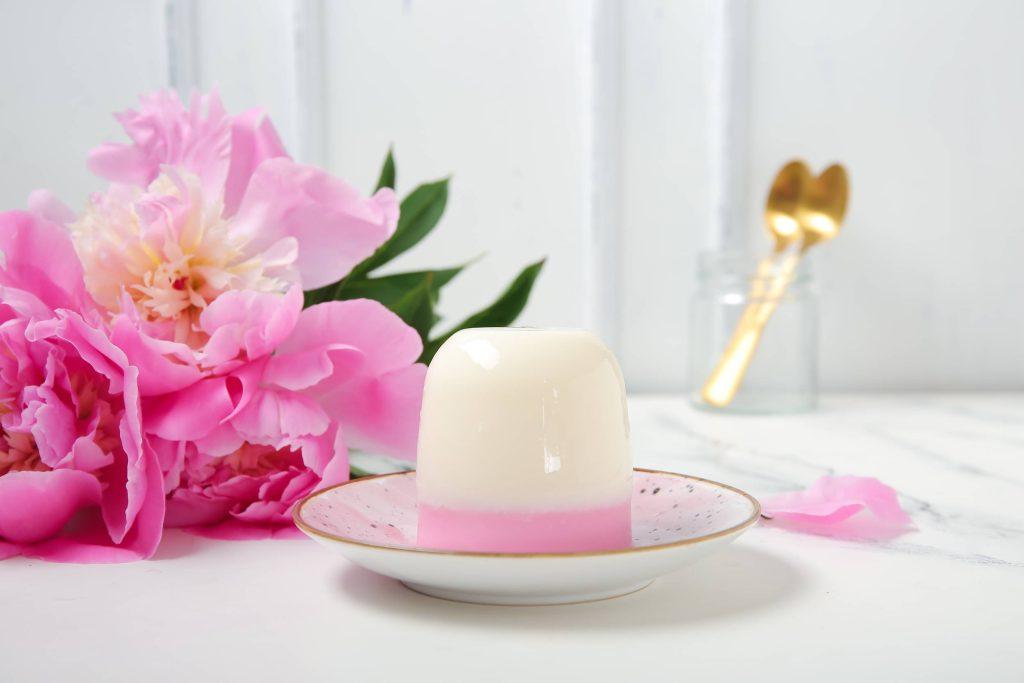
Paeonia, commonly known as Peonies, are a genus of flowering plants loved for their beautiful flowers and lush foliage. Herbaceous Peonies, characterised by their colourful blooms and dark green foliage, have captivated gardeners for generations. Peony flowers have been a much sought ingredient for culinary purposes since the Middle Ages and as cottage gardens continue to increase in popularity so the appeal of the Peony grows.
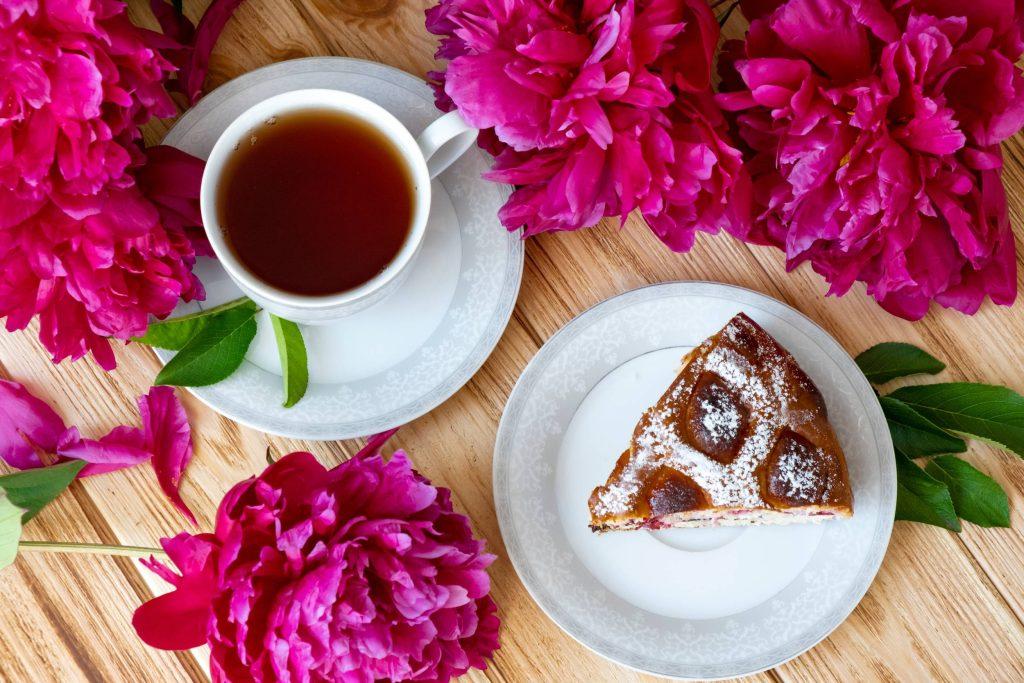
Culinary History of Paeonia Plants
Historically, the significance of Paeonia in culinary practices can be traced back to ancient cultures, including references by the ancient Chinese philosopher Confucius, who acknowledged the plant’s value.
The Medieval cookbook Utilis Coquinario contained a recipe named ‘Pyany’ for poultry garnished with Peonies.
Edible Varieties of Peonies
Peony petals are safe to eat although small amounts are recommended whilst it is best to avoid the seeds and roots. Pink peonies are the most popular for creating jellies, Panna Cotta and syrups.
‘Sarah Bernhardt’ is a big and beautiful flower and one of the most popular for desert preperation. Other favoured varieties include ‘Shirley Temple’ and ‘Bowl of Beauty’.
It is essential to note that not all Peony species are safe to eat. Some varieties can cause digestive discomfort if consumed in large quantities. Always confirm the edibility of your specific Peony variety before use.
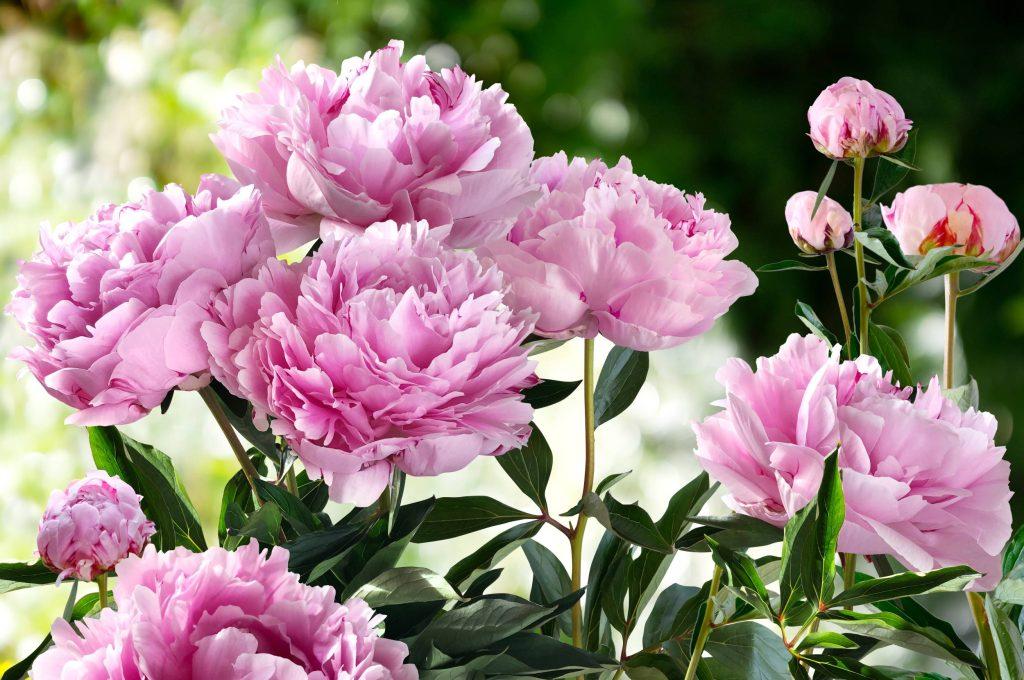
Planting and Caring for Peonies
Peonies enjoy fertile well-drained soil sited in full sun to light shade. The best blooms resulting in the best harvest of leaves tend to follow colder winters.
When plant Peonies ensure the soil is fertile by incorporating organic material to the soil and in pots choose a good quality compost.
Best Practices for Harvesting Paeonia Flowers.
Peony petals are delicate and it is best to consume them shortly after harvesting them. If you need to store them then wrap them in damp towels and place them into a fridge.

Culinary Uses of Peonies
The unique flavors and textures of Paeonia species make them a delightful addition to various culinary creations. The petals of certain Paeonia varieties can be used fresh in salads, providing a pop of colour and a slightly sweet, flavor. Additionally, the roots of some species are edible and can be prepared in a variety of ways, from stir-frying to steeping in teas.
Across different cultures, traditional dishes incorporating Paeonia can be found. For instance, in some Asian cuisines, Paeonia roots are used in soups and as a food colouring , showcasing their versatility. Innovative recipes featuring Paeonia edible plants are also emerging, with chefs experimenting with these beautiful flowers in desserts, cocktails, and garnishes, elevating the dining experience.
As the popularity of cottage gardens grows, incorporating Paeonia into your garden not only enhances its aesthetic appeal but also provides an opportunity to explore these edible plants in your cooking.