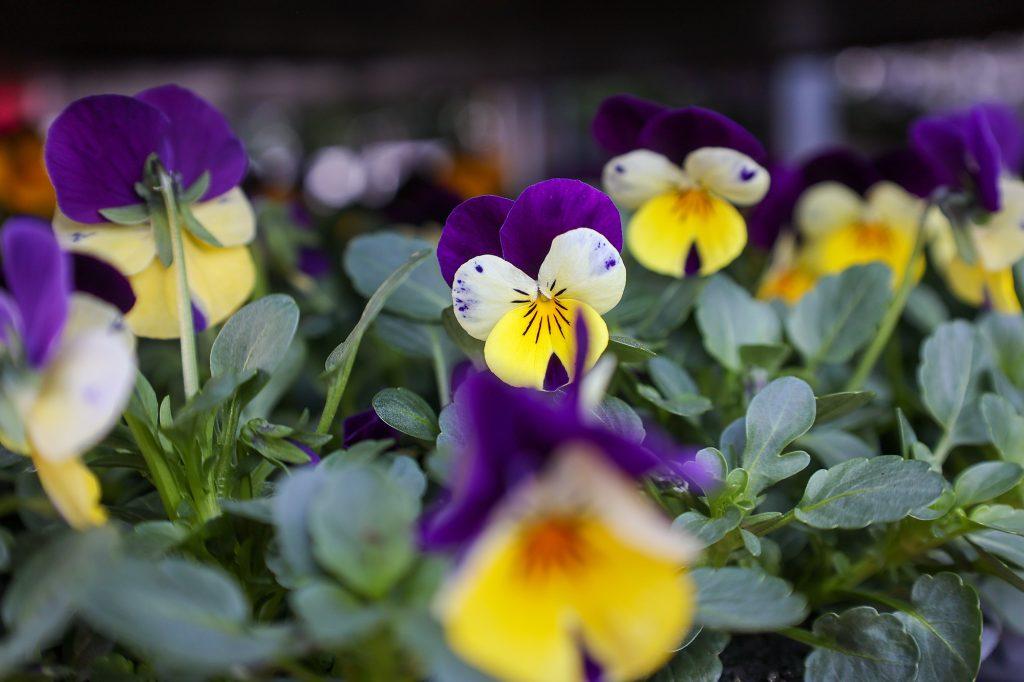
Culinary History of Pansies
Pansies and Violas have been popular ingredients in cooking since the Victorian era especially in salads and as a garnish. Across Europe Pansies have witnessed a renaissance in the kitchen where they are valued for their ability to enhance salads, cakes cocktails and desserts.
Prominent chefs including Deb Durrant & Kirk Westaway have long advocated for the use of Pansies in cooking whilst Martha Stewart frequently includes the use of Pansies in her recommended desserts.
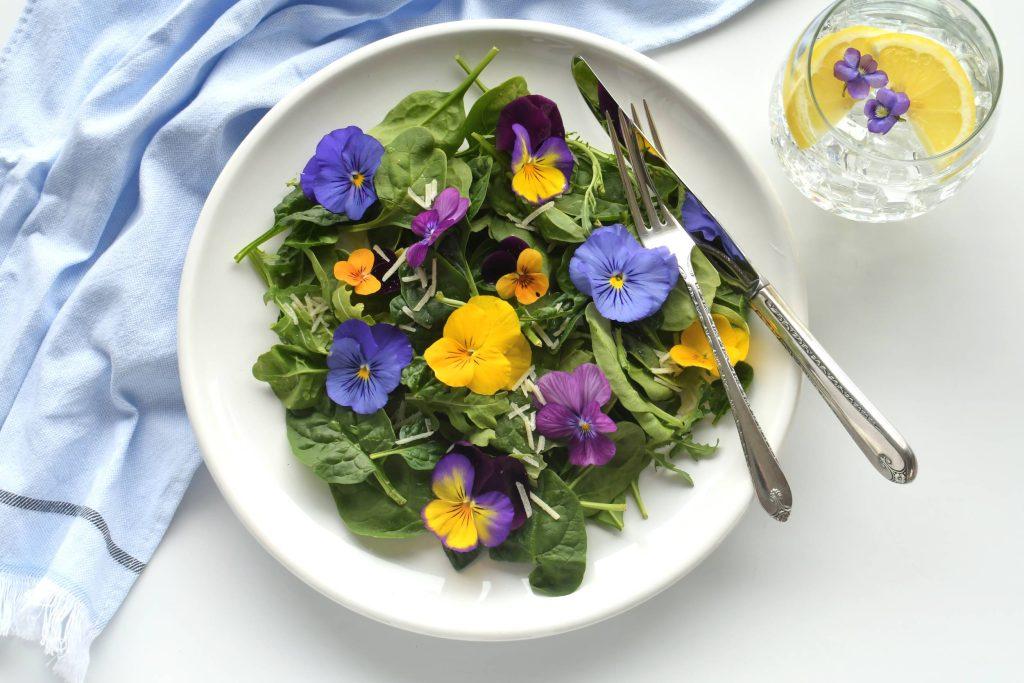
Edible Varieties of Pansies
All varieties of Pansies are edible and this includes the flowers and stems.
Planting and Caring for Pansies
Pansies thrive in full sun to partial shade so there is a good choice you can grow them in your garden. They prefer well-drained but fertile soil so do consider mixing in some compost or organic matter. Pansies will also flourish in containers which makes them handy to locate close to your kitchen for food preperation. Dead-head your Pansies regularly to ensure you have a good supply of fresh flowers.

Best Practices for Harvesting Pansies
To preserve Pansies in their best condition for cooking, use clean sharp scissors to snip the flowers leaving some stem for handling. It is best to remove the flower heads that are fully open and then store them in a container with a damp paper towel that will keep the flowers hydrated and in the best possible condition.
If you are looking to store Pansies for longer then you will need to dry them out on a flat surface and then place them in an airtight container. Dried Pansies should last for a number of months.
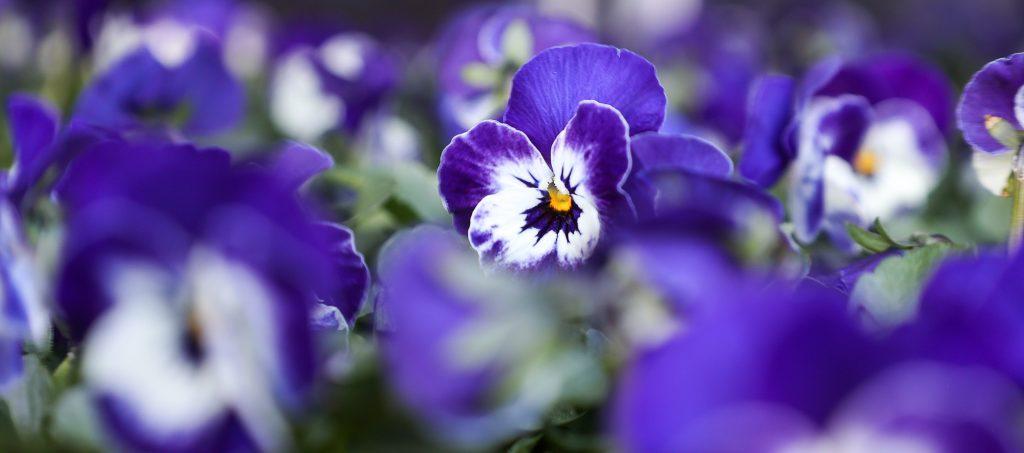
Culinary uses of Pansies
Pansies are a versatile plant that can be added to salads, used as a garnish on both sweet and savoury dishes and even added to cocktails to add a touch of colour. More creative ideas include brushing Pansy petals with egg whites before coating in sugar to add them to cakes or to freeze them in ice-cubes to enhance summer drinks.