
Palms are a common site in British gardens, much loved for bringing a tropical feel to any garden. One of the appealing features of Palms is their use in cooking either through their fruit, foliage or heart.
Culinary History of Palms
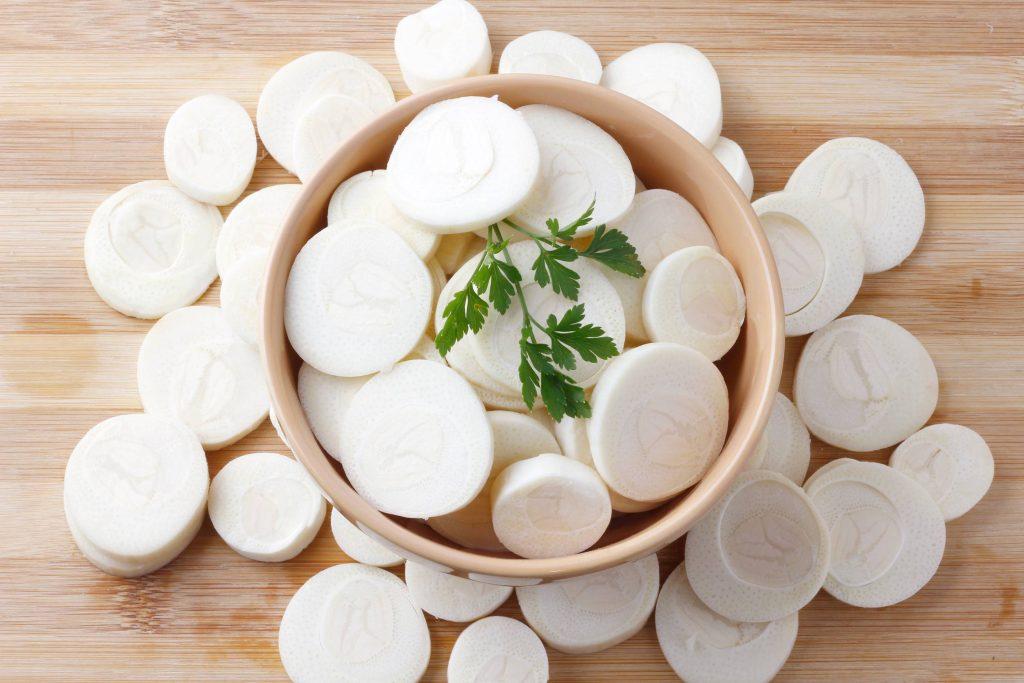
Date palms have been cultivated for their fruit in the Middle East for Hundreds of years whilst Coconuts are prized in tropical regions around the world. Hearts of palms have long been a delicacy in Latin America with its popularity now spreading further afield.
In the UK the fruits of date palms are enjoyed in warmer regions whilst the flowers, foliage and hearts of many palms are growing in popularity as a food source.
Edible Varieties of Palms and other Tropical plants
Most gardeners might be surprised to discover just how many palms and tropical plants can be grown as a food source or ingredient. Trachycarpus, Phoenix Palms, Chamaerops and Cordylines are all regularly used as ingredients in cooking.
It is essential to confirm the edibility of your specific Palm or tropical plant before use.
Planting and caring for Palms
Palm trees require warmer climates and will require moving inside or wrapping up during colder winters. They prefer sandy, well-drained soils ideally in full sun. Cordylines can survive average winters in the UK but may need to be wrapped if a particularly cold winter should appear.
Best Practices for Harvesting Palms
The heart of palm is the tender inside of the trunk of Palm trees. To harvest the heart of the palm, cut down the tree and remove the outer bark until the centre is exposed. Dates from palms need to have ripened and turned from green to brown. Once ripe they can be picked individually or entire stalks can be removed.
Dates can be dried and stored for many months whilst the hearts of palm are perishable and need to be consumed soon after harvesting
Culinary Uses of Palms
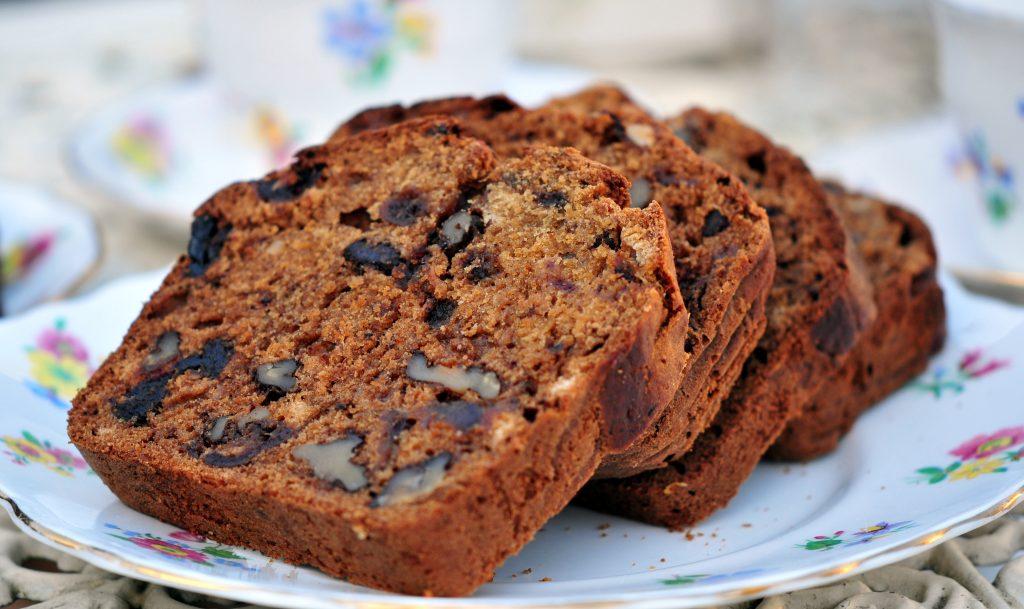
The dates from Palms are a popular delicacy on their own whilst also being popular in cakes such as Date and Walnut.
The edible parts of Cordylines are the leaves, roots and flowers. Not all species are safe to eat so you need to ensure correct identification of you plant.
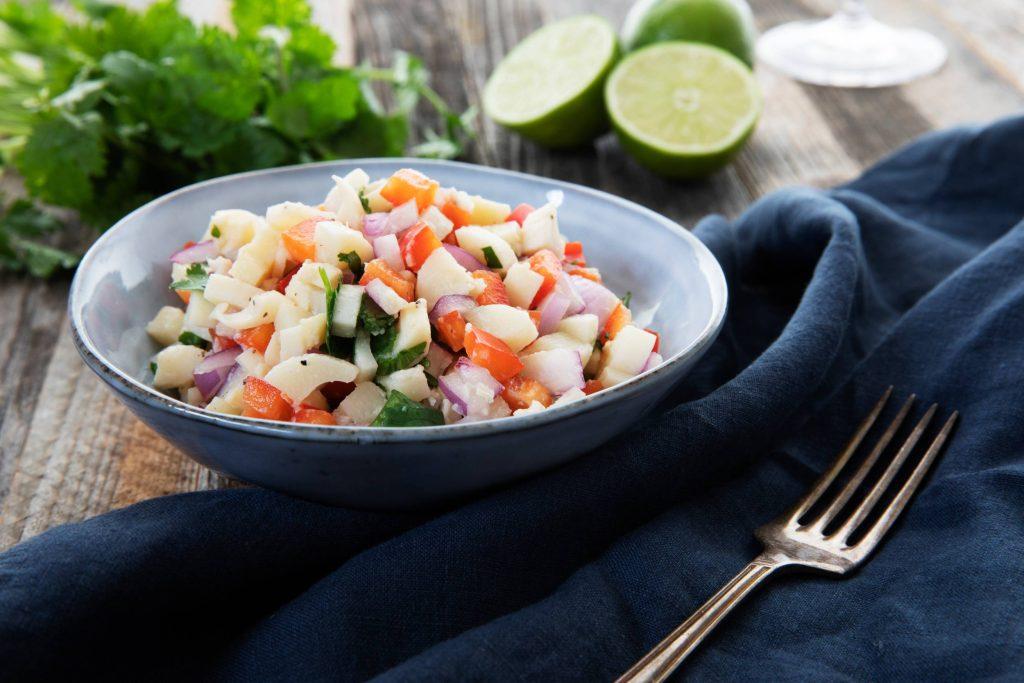
Heart of Palm is a popular ingredient within salads especially in Latin America.