
Discover the innovative method of growing potatoes without the hassle of digging in our complete. Learn about the benefits of no-dig gardening, the best potato varieties, and step-by-step instructions for creating a thriving potato patch using techniques like layering and mulching.
What is No-Dig Gardening?
No-dig gardening is a gardening method that does not require digging or disturbing the soil. This method involves layering organic materials on top of the soil rather than digging planting holes or a trench.
The benefits of no-dig gardening for growing potatoes are numerous. By avoiding digging, you preserve soil structure, retain moisture, and reduce the risk of soil erosion. Furthermore, no-dig gardening is less physically taxing on the body.
Preparing Your Potato Patch
Site Selection and Preparation
Choosing the right site for your no-dig potato garden is vital. Potatoes thrive in full sunlight, so select a location that receives around 6 hours of sunlight each day. Good drainage is also essential, as potatoes dislike sitting in waterlogged soil.
To assess soil quality without digging, observe the existing vegetation and check for signs of healthy soil life, such as earthworms. Clear the area of weeds and debris, and if necessary, amend the soil with organic matter to improve its fertility. If your soil pH levels need amending, follow the steps in our guide.
Layering Technique for Planting No Dig Potatoes
First, use a rake or a hoe to level off your selected growing area and remove any large weeds. Water the area well, and plant your seed potatoes with the sprouts facing up in rows. Ensure they are spaced around 30cm apart with 45cm between rows. Once you have spaced and placed down your seed potatoes, you are ready to layer the organic material.
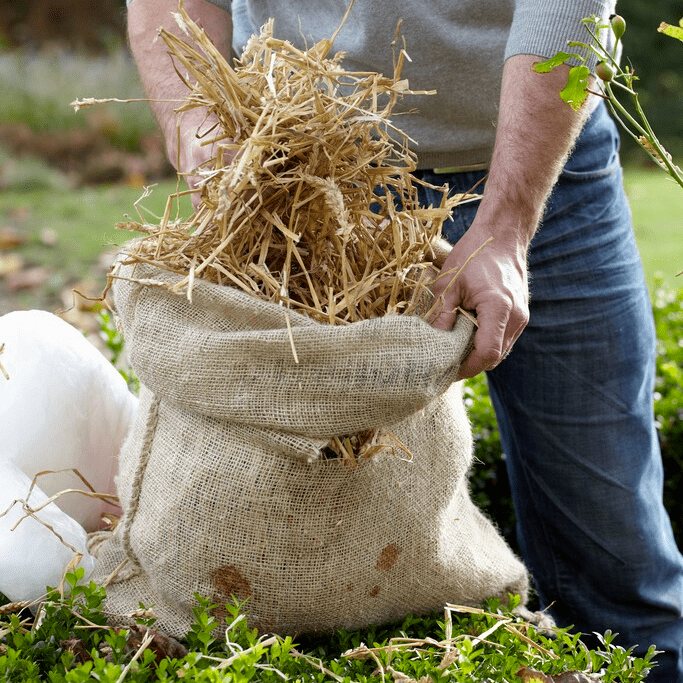
This method uses many organic materials, including cardboard, straw, compost, and grass clippings. Start by placing a thick layer of your chosen material on top of your potatoes. Ensure you have a good mixture of organic material; using only cardboard will not work very well. Layering a mixture of materials, such as a base of cardboard followed by plenty of straw, is a good start.
As your potatoes grow and the organic material breaks down, you may need to add to your organic layers. Topping up with grass clippings is a great way to keep the potatoes covered, sheltered, and warm.
Maintaining Your No-Dig Potato Garden
Proper watering is crucial for the success of your no-dig potato garden. Potatoes require consistent moisture, especially during the flowering and tuber development stages. Water your plants deeply but infrequently to encourage deep root growth.
As your potatoes are suspended in organic matter rather than in the soil, they may require closer attention when it comes to watering. Monitor the leaves to get a good indication of if they have enough water.
Why Grow No Dig Potatoes?
Traditional potato growing methods often involve digging trenches and turning over the soil, which can be tiring and back-breaking work, particularly if you’re not used to digging in the garden. The no dig method requires much less effort to plant and much less physical effort to maintain your crops.
There are also benefits to harvesting your potatoes using the no-dig method. The method does not require digging out your newly grown potatoes from the soil, which avoids the possibility of piercing your precious spuds with a fork when getting them out of the ground.
As the potatoes are grown in layers of mulch above the ground, checking on them is also much easier than if they were in the ground. Simply peel back some of the mulch to check the size of your potatoes and see if they are ready for harvesting. If they are still underdeveloped, simply place back the mulch and wait a little longer.
The continual layering of mulch during the growing process will also help to enrich the soil, improving the health of your potato patch as the organic material breaks down.
Best Potato Varieties for No-Dig Gardening
When selecting seed potatoes for no-dig gardening, it’s essential to choose varieties that align with your needs. The time you want to harvest and eat your homegrown potatoes will decide which ones you plant.
Potatoes can be categorized into early, mid-season, and late-season varieties. Early potatoes, such as ‘New Potatoes,’ are typically ready for harvest in about 60 days, while late-season varieties can take up to 120 days. Understanding these classifications can help you plan your planting schedule effectively.
Additionally, selecting disease-resistant varieties is crucial for a successful harvest. Look for potatoes that are known for their resilience against common diseases like blight and scab.
Harvesting and Storing Your Potatoes
When and How to Harvest No Dig Potatoes
Knowing when to harvest your potatoes is key to enjoying a successful yield. Signs that potatoes are ready for harvest include yellowing leaves and the plant starting to die back. You can begin harvesting early potatoes as soon as the plants flower.
To harvest, gently pull back the straw and organic matter layers to reveal the potatoes. Use your hands to carefully lift them out, taking care not to damage the tubers. After harvesting, clean your potatoes gently to remove excess soil or organic matter.
Storing Your Homegrown No Dig Potatoes
Once harvested, proper storage is essential to prevent spoilage. Store your potatoes in a cool, dark, and well-ventilated area, ideally around 7°C. Avoid exposing them to direct sunlight, as this can cause them to sprout or spoil.
To extend shelf life, check your potatoes regularly for any signs of rot or sprouting. You can also explore creative ways to use and preserve your potato harvest, such as making them into chips to be frozen
Check out our guides on harvesting and storing your crops.