
Lilacs are a welcome sight for gardeners come spring, confirming that summer is not too far away. For savvy gardeners who enjoy cooking, the edible Lilac flowers provide a tasty addition to the kitchen.
Culinary History of Lilac Flowers
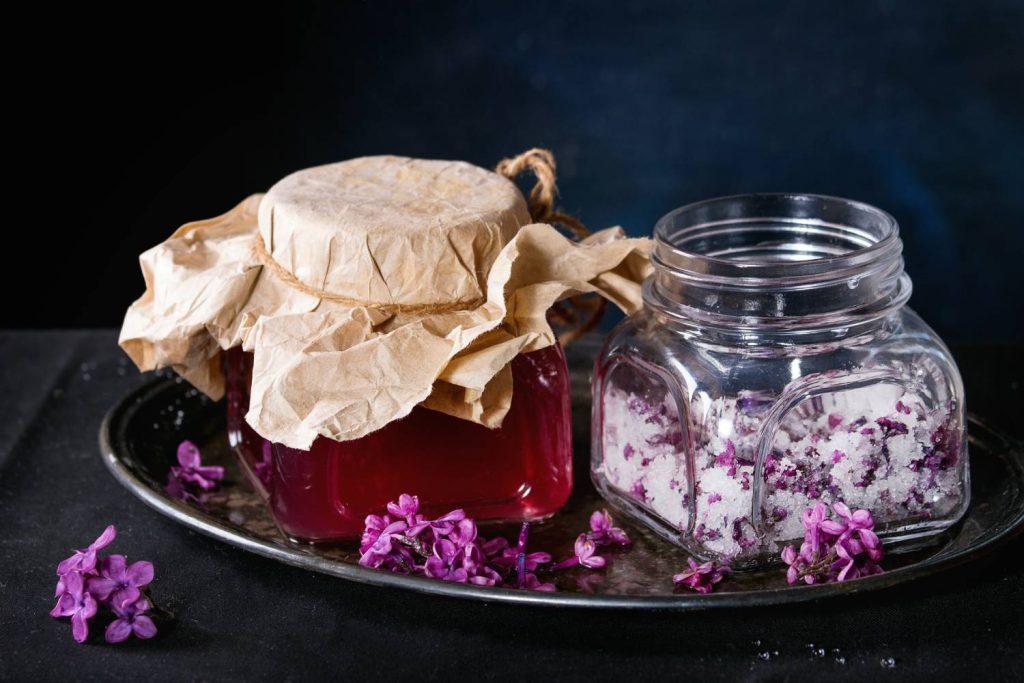
Lilac flowers have a rich history in perfumery, yet within the last century, their light, floral flavour has caught on in the world of cuisine to a significant level. Artisan chefs and the foraging community have long known about the tasty flowers of the Lilac but kept the secret to themselves. A broader spectrum of cooks, bakers and chefs now know the secret and Lilac syrups and sugars are widely used.
Edible Varieties of Lilac Flowers
All common Syringea vulgaris varieties are considered edible, although the flavour intensity varies slightly between cultivars like ‘Sensation’ and ‘Madame Lemoine’
Planting and Caring for Lilac Plants
Lilacs prefer full sun and fertile, well-drained soil. Lilacs thrive in cooler climates and for the best flowering show require winter dormancy.
Best Practices for Harvesting Lilac Flowers
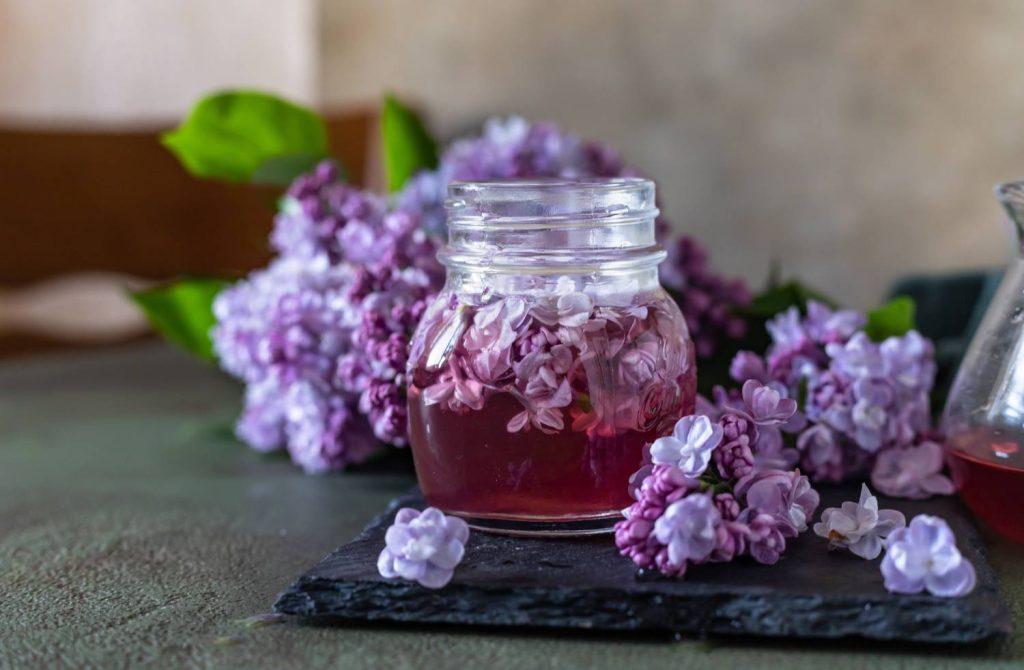
Fresh Lilac flowers are delicate and should be used shortly after harvesting. Pick the flower heads that have the most opened flowers, ideally early in the morning or late evening, when it is coolest, to ensure the flowers are at their freshest.
Dried Lilac flowers can be stored for up to a week in a fridge although they are best used immediatly after picking.
Culinary uses of Lilac Flowers
Some of the more popular culinary uses of Lilac flowers include syrups, teas, jams and to make Lilac sugar, which can be sprinkled on baked goods. Lilacs are also often candied and used to decorate desserts.
For more information on using lilac plants in your cooking, please visit outdoorapothecary