
Dianthus is a large and diverse genus that includes annuals, biennials, and evergreen perennials. They have been grown for centuries and are a dependable and simple addition to the garden. They are hardy perennials with pink, magenta, salmon pink, and white flowers and grey-green, evergreen or semi-evergreen foliage. Most of the summer, they produce fragrant single or double flowers, and if deadheaded, they will produce repeat flowers. These plants look good in herbaceous borders and cottage gardens.
The alpine Dianthus, which are smaller and can be planted in pots, window boxes, and hanging baskets, looks great in rockeries. The Dianthus family also includes the biennial Sweet Williams (Dianthus barbatus), which are grown for their flowers in the early summer.
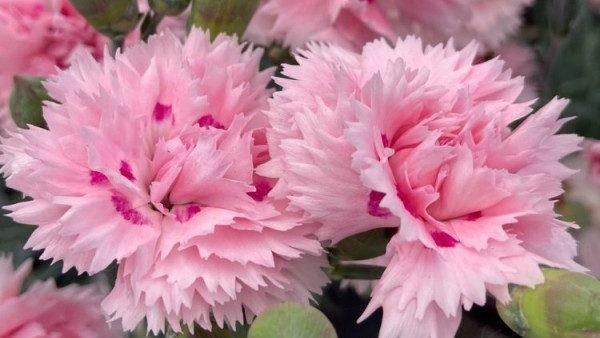
How to grow dianthus
Grow in well-draining compost in full sun. To encourage a second flush of blooms, cut back after they have finished flowering. Then cut back again in autumn.
After a few years, dianthus often become woody at the base as they are not long lived plants. But they can be easily propagated by cuttings.
Where to grow
Dianthus are hardy and cope well in hot summers and cold winters. However, they are still susceptible to weather damage, so do try to protect them where possible by placing them under cover when needed.
They thrive in neutral or alkaline soils and like to be in a spot where they are not crowded with other plants or competing with them. An open area is beneficial and well-draining soil is essential.
How to plant
Dianthus prefer well-drained soil, which can be improved by incorporating grit into the soil prior to planting. Alternately, you can plant in multi-purpose, peat-free compost. If grown in the right conditions, plants should settle in quickly, so you won’t need to water them for long.
Caring for dianthus
To encourage a second or even third flush of flowers, regularly deadhead any blooms that are no longer producing fruit and feed with a liquid tomato feed. However, keep in mind that some traditional dianthus may only bloom once per year.
Cut back any leaves and faded blooms in the fall so they don’t look so messy. Trim the foliage lightly to encourage new growth.
Rotting stems and foliage may be caused by overly wet soil or not enough sunlight. They grow best in full sun and well-drained soil, so move your plant if there are any signs of rotting.
Shop Now