
Bare root hedging is a quick, easy, and environmentally friendly way of planting a new hedge. There are loads of benefits to growing a hedge in your garden. Not only are they natural barriers to section your outdoor space, but they’re also incredible for wildlife. Hedges provide food and shelter to all kinds of wildlife, like birds, insects, and small animals. We’ve put together a guide to choosing and planting bare-root hedging to create the perfect, wildlife-friendly hedge.
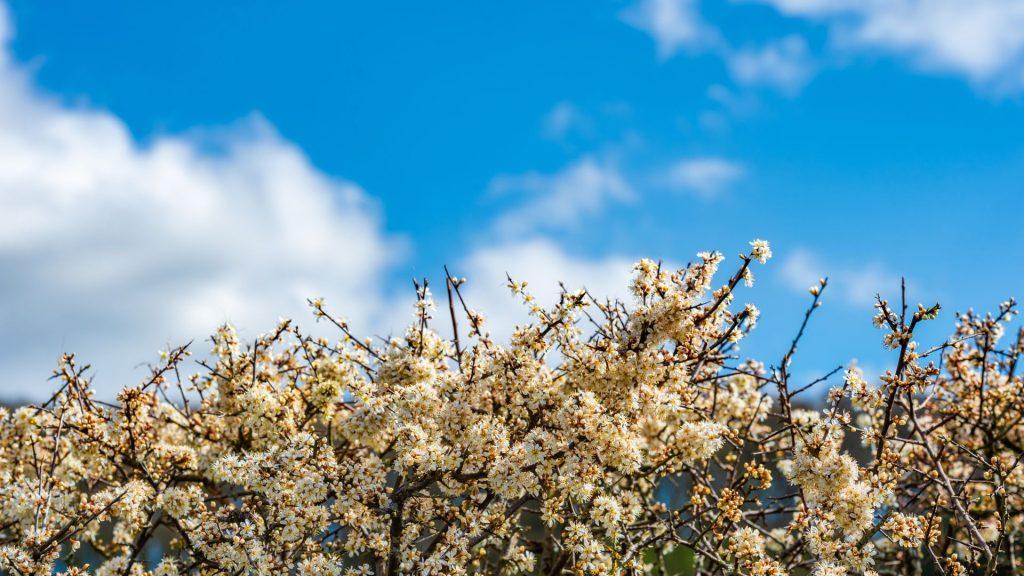
How to Plant Bare Root Hedging
1. Choosing your plants
To get started, you’ll need to pick out your plants. While you can read our full article on choosing garden plants, here’s a quick list of what you should take into consideration:
- The soil type and pH
- How much sun does your garden get
- How much space you have available
- How you want the plants to look
Once you know the conditions in your garden, use the quick care guides below to determine which bare root hedging plants will thrive there.
2. Preparing the ground
Make sure the ground is workable, not frozen or waterlogged. Map out where you’d like your hedge to be and start clearing the area. Remove grass, weeds, and other perennials, removing as many of the roots as possible. Use a garden fork to dig over the area. At this stage, you can remove any other debris, like rocks or rubbish, that’s made its way into the ground. Dig over the soil up to about 30cm deep.
3. Spacing out planting holes
While you could dig out a whole trench to plant your hedge, digging individual holes can make it easier to keep your plants upright as you work with them. Some plants – such as hornbeam and beech – should be planted in single rows, while some – such as hawthorn and hazel – can be planted in a double, staggered row. To keep the rows straight, you could set up a string along the area to use as a guide.
Space out your planting holes enough to give each individual plant plenty of room to grow. Allow enough room for the current root system and consider how much the plant will grow in the future.
4. Planting and heeling in
Place the root system into the planting hole and fill in the hole with soil. Firm the soil down to remove any large air pockets and ensure that the plant is stable. However, make sure not to compact the soil too much as this can impact the health of the root system.
5. Watering and mulching
Once all of your plants are in the ground, thoroughly water the area and apply a mulch. Watering will help the plants establish in their new home, and the mulch will help to hold in that moisture and prevent weeds from growing around the base of the plants.
6. Ongoing care
Make sure the soil stays moist for the first few months of growth. As time goes on, you won’t need to water as frequently as the plants will be better established. Prune your hedge to its desired shape, removing any dead or damaged material that may appear over time. Remember to check the pruning needs of the species that you’ve planted.
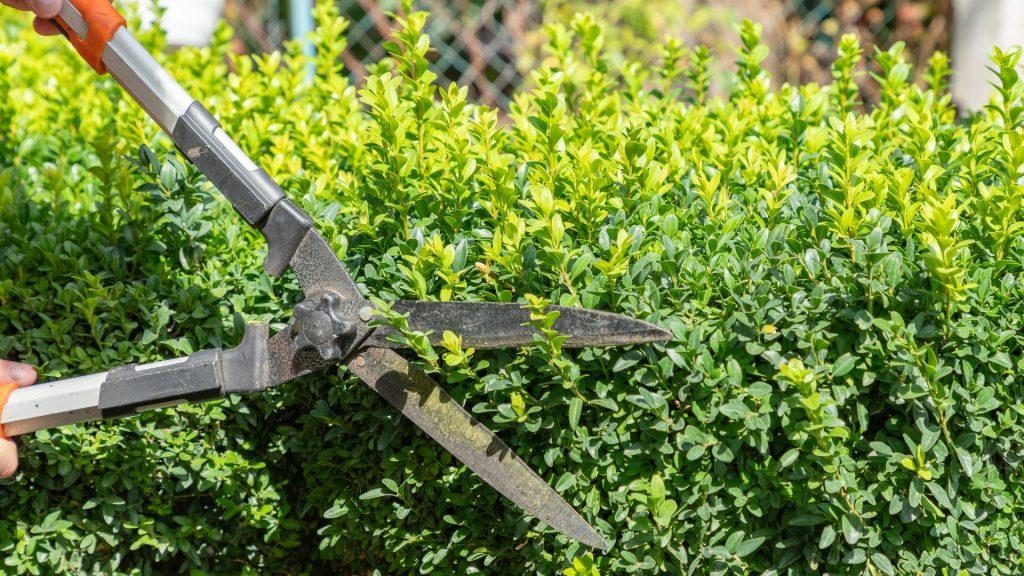
Quick Care Guides for Different Bare Root Hedging Plants
Buckthorn
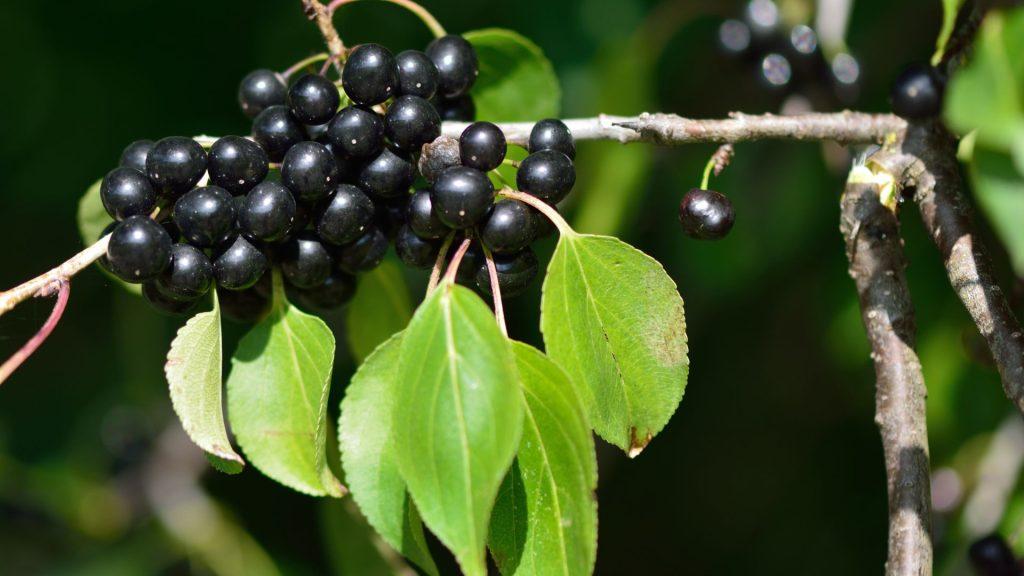
| Sunlight exposure | Full sun, partial sun. |
| Soil type and pH | Fertile, well-drained, acidic or neutral soils. |
| Watering | Moist soil is preferred but it will tolerate dry spells. |
| Pruning | Prune in the spring. |
| Fertilising | Not always necessary. Apply a slow-release fertiliser in the spring if needed. |
| Flowering time | Spring |
Dogwood
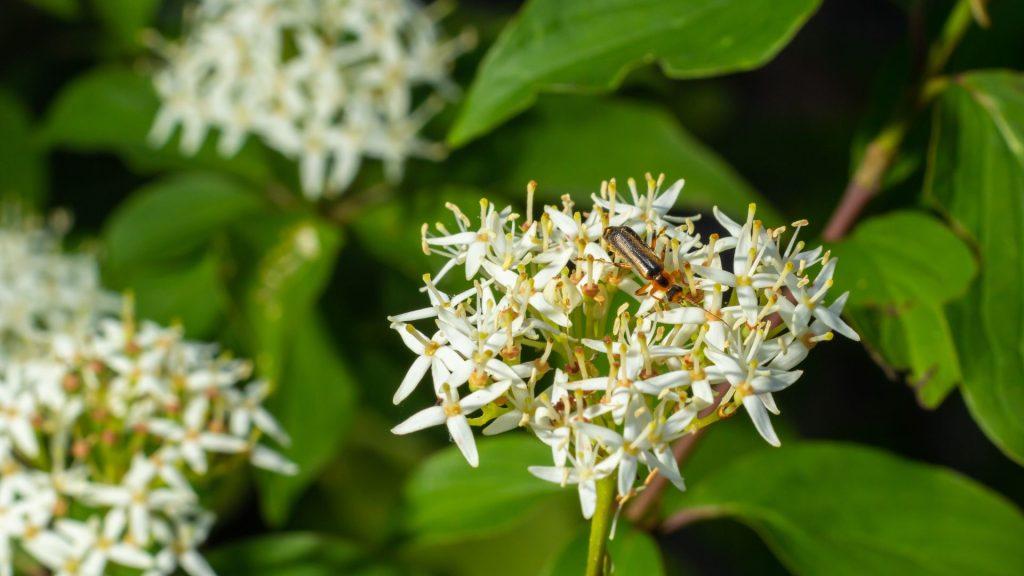
| Sunlight exposure | Full sun, partial shade. |
| Soil type and pH | Fertile, well-drained, neutral or slightly acidic soils. |
| Watering | Soil should be kept moist. |
| Pruning | Prune between late winter and midspring. |
| Fertilising | Apply a balanced feed in the spring. |
| Flowering time | Winter to late spring. |
Field Maple
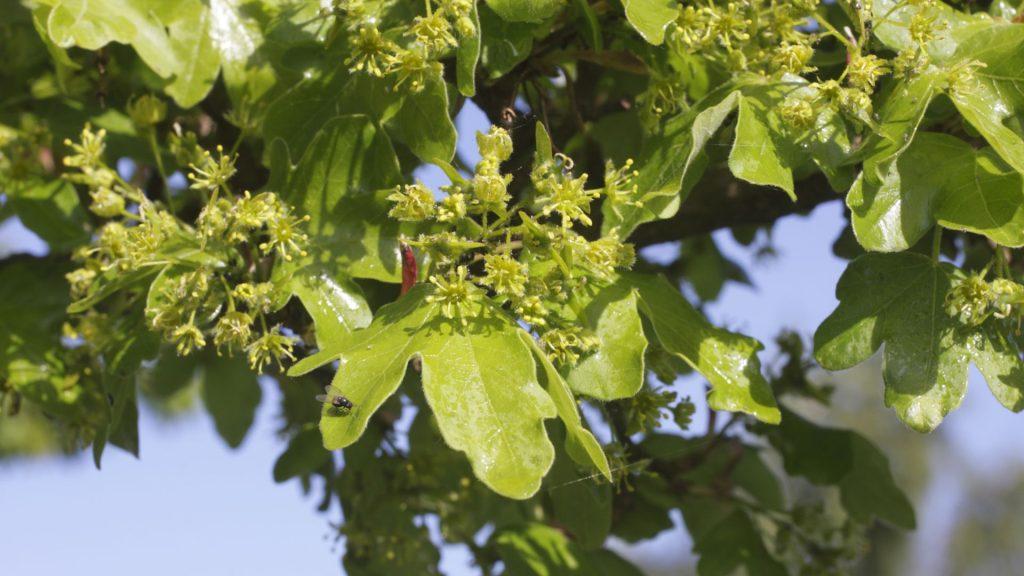
| Sunlight exposure | Full sun, partial shade. |
| Soil type and pH | Fertile, well-drained, neutral or slightly alkaline soils. |
| Watering | Soil should be kept moist. Established plants may not need extra water. |
| Pruning | Prune in early winter to maintain shape. |
| Fertilising | Apply a balanced feed in early spring. |
| Flowering time | Late spring |
Snowball Bush
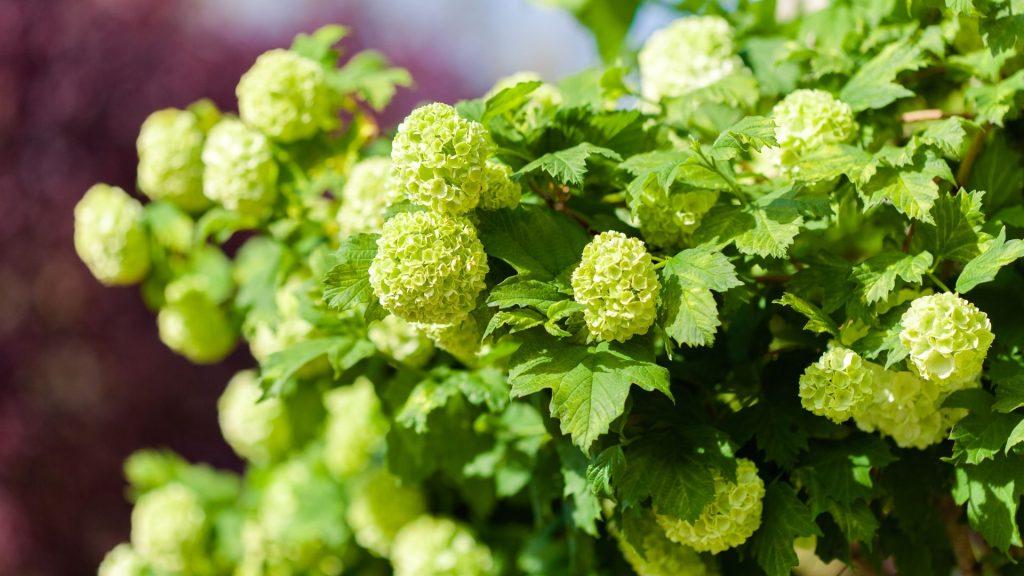
| Sunlight exposure | Full sun, partial shade. |
| Soil type and pH | Well-drained, slightly acidic to slightly alkaline. |
| Watering | Soil should be kept moist. |
| Pruning | Prune in spring after flowering. |
| Fertilising | Apply a slow-release fertiliser in the spring. |
| Flowering time | Spring. |
Rose Bush
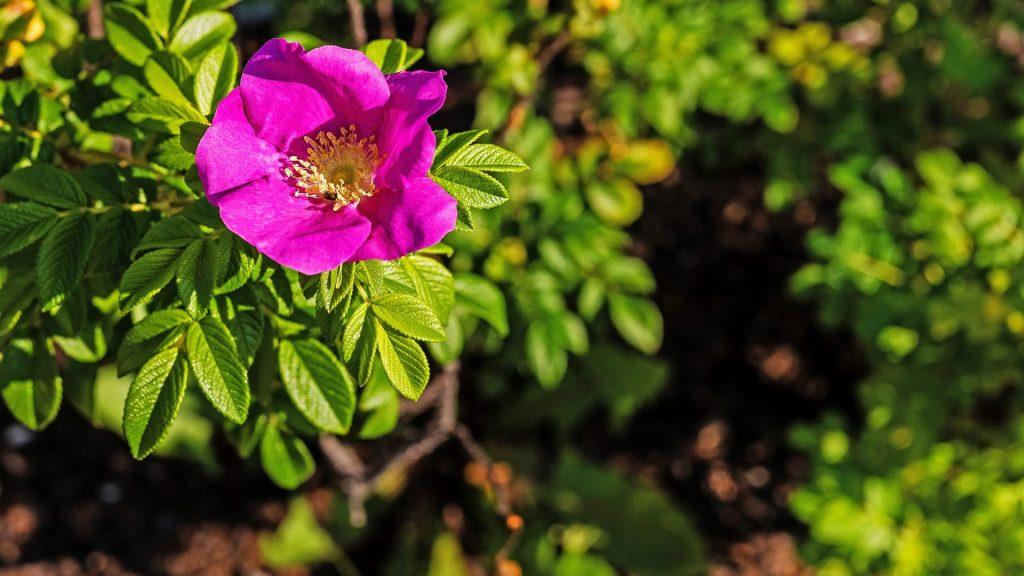
| Sunlight exposure | Species dependent – some will thrive in sunny spots or shade. |
| Soil type and pH | Fertile, well-drained, neutral or slightly acidic soils. |
| Watering | Soil should be kept moist. |
| Pruning | Prune in the spring to maintain shape. |
| Fertilising | Feed in early spring as new leaves appear. |
| Flowering time | Early summer. |
Blackthorn
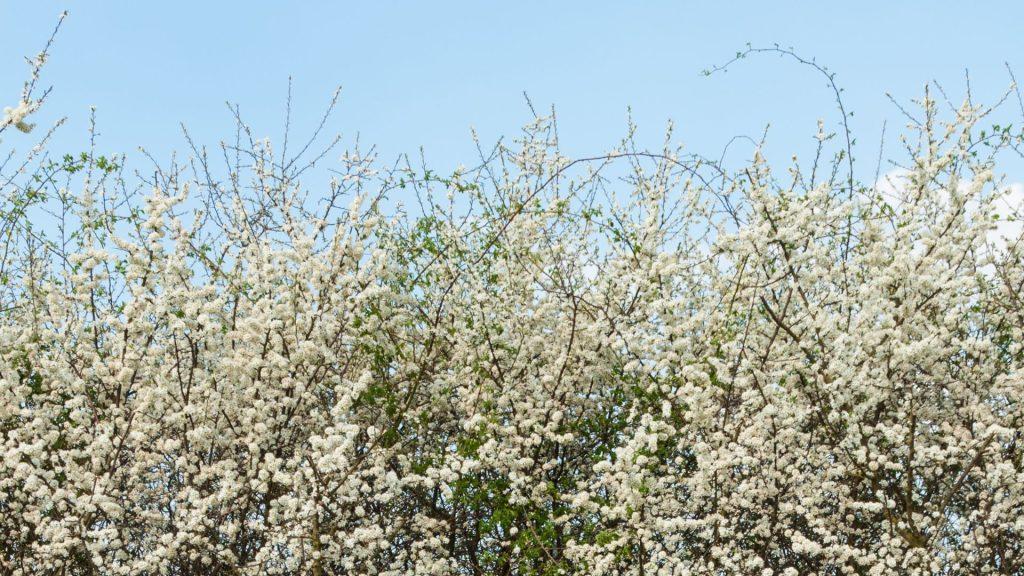
| Sunlight exposure | Full sun, partial shade. |
| Soil type and pH | Fertile, well-drained, neutral soils. |
| Watering | Only regularly water young plants, or during hot and dry spells. |
| Pruning | Prune in winter, but not in freezing temperatures. |
| Fertilising | Apply an all-purpose fertiliser only to nutrient-poor soils. |
| Flowering time | Spring. |
Crab Apple
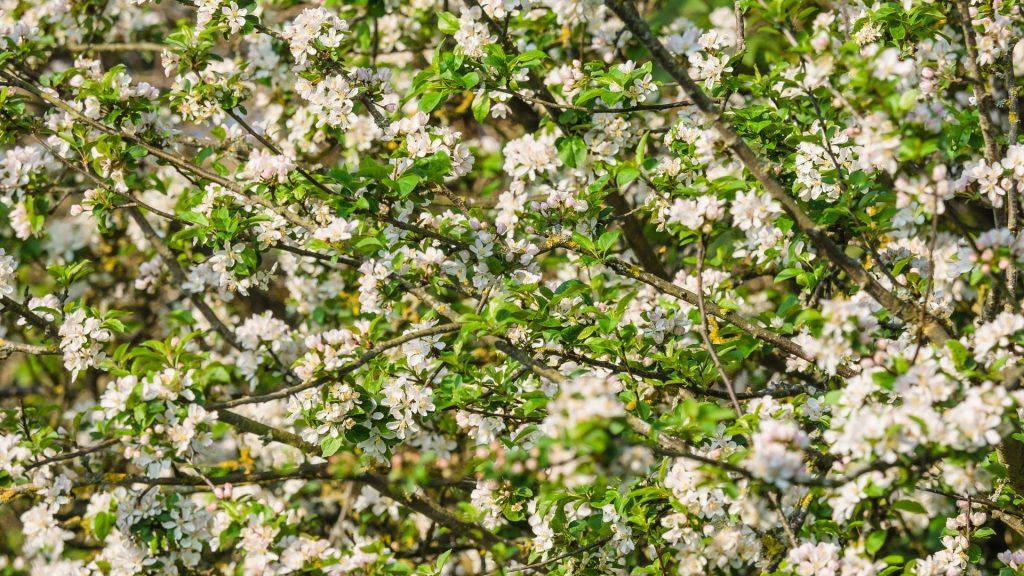
| Sunlight exposure | Full sun. |
| Soil type and pH | Heavy, well-drained, neutral soils. |
| Watering | Keep soil moist for young plants. Only water established plants during dry spells. |
| Pruning | Early spring and early winter, but not during freezing temperatures. |
| Fertilising | Apply a slow-release fertiliser in autumn or late winter. |
| Flowering time | Mid-late spring. |
Beech
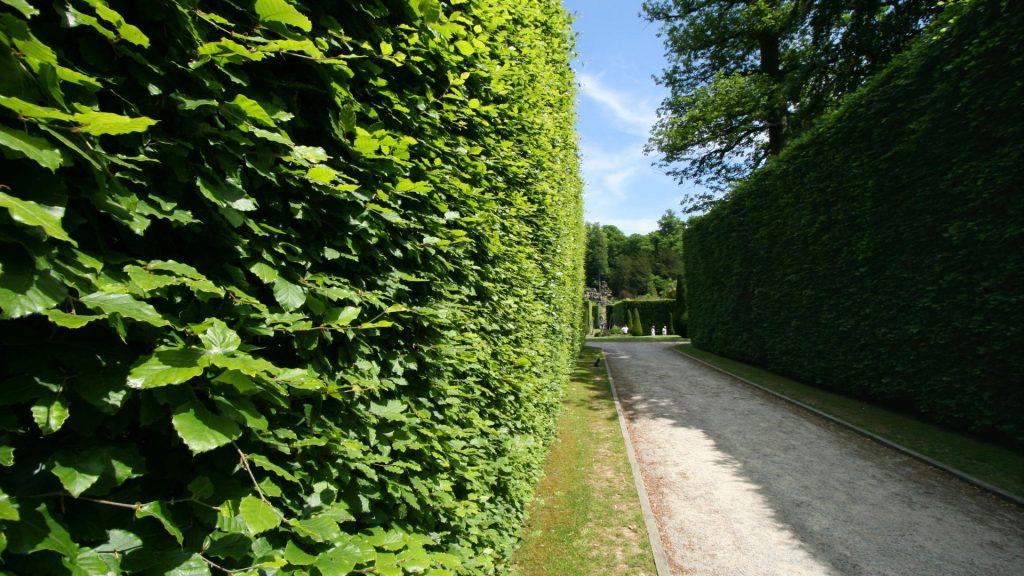
| Sunlight exposure | Full sun, partial shade. |
| Soil type and pH | Well-drained, neutral soils. |
| Watering | Water young plants regularly. Only water established plants during dry spells. |
| Pruning | Prune between autumn and early spring. |
| Fertilising | Apply a balanced feed in the spring, but not in the first growing season. |
| Flowering time | Mid-late spring. |
Hawthorn
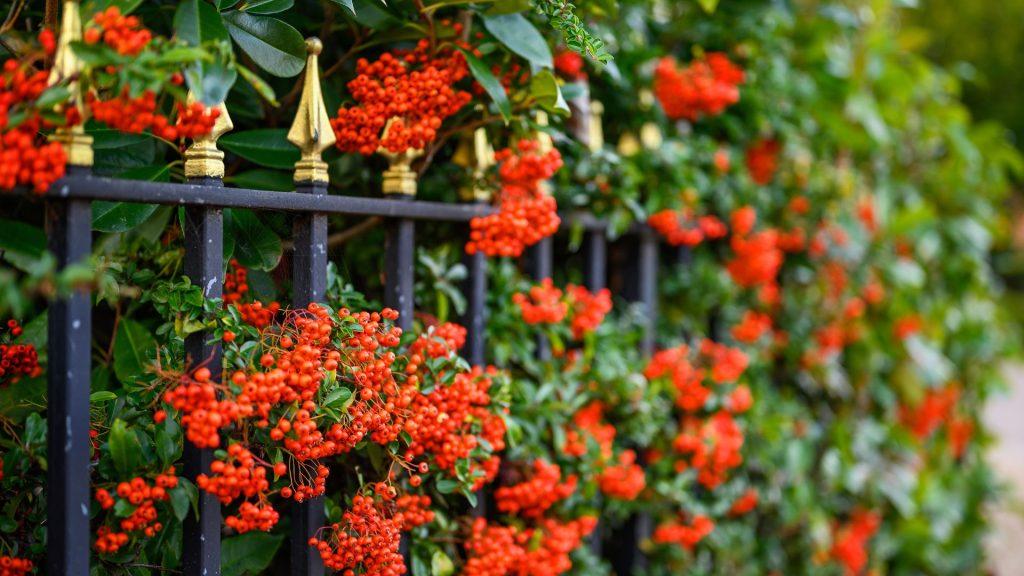
| Sunlight exposure | Full sun, partial shade. |
| Soil type and pH | Fertile, well-drained, neutral or slightly acidic soils. |
| Watering | The soil should be watered regularly in the growing season, and kept slightly moist in the winter. |
| Pruning | Prune between March and August. |
| Fertilising | Apply a general purpose fertiliser in the early spring. |
| Flowering time | Midspring to early summer. |
Hazel
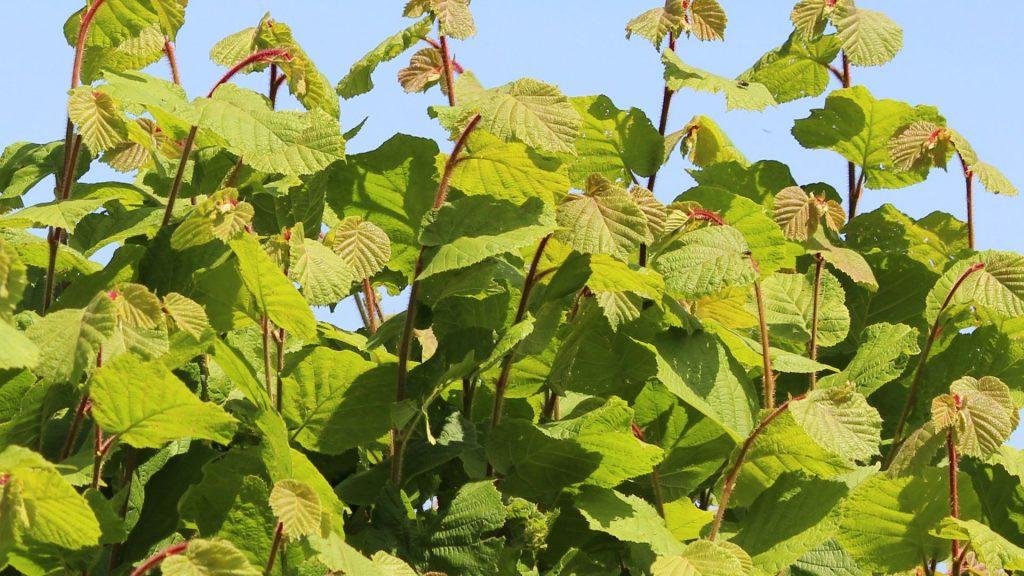
| Sunlight exposure | Full sun, partial shade. |
| Soil type and pH | Well-drained, low nutrient, acidic or neutral soils. |
| Watering | Water young plants regularly. Only water established plants during dry spells. |
| Pruning | Prune from late winter to midspring. |
| Fertilising | Only apply fertiliser to very nutrient-poor soils. |
| Flowering time | Mid-late winter. |
Hornbeam

| Sunlight exposure | Full sun, partial shade. |
| Soil type and pH | Well-drained, acidic or neutral soils. |
| Watering | The soil should be kept moist in the growing season, and slightly moist in the winter. |
| Pruning | Prune to shape in the beginning of June and the beginning of September. |
| Fertilising | Apply a slow-release fertiliser in the early spring. |
| Flowering time | Spring. |