
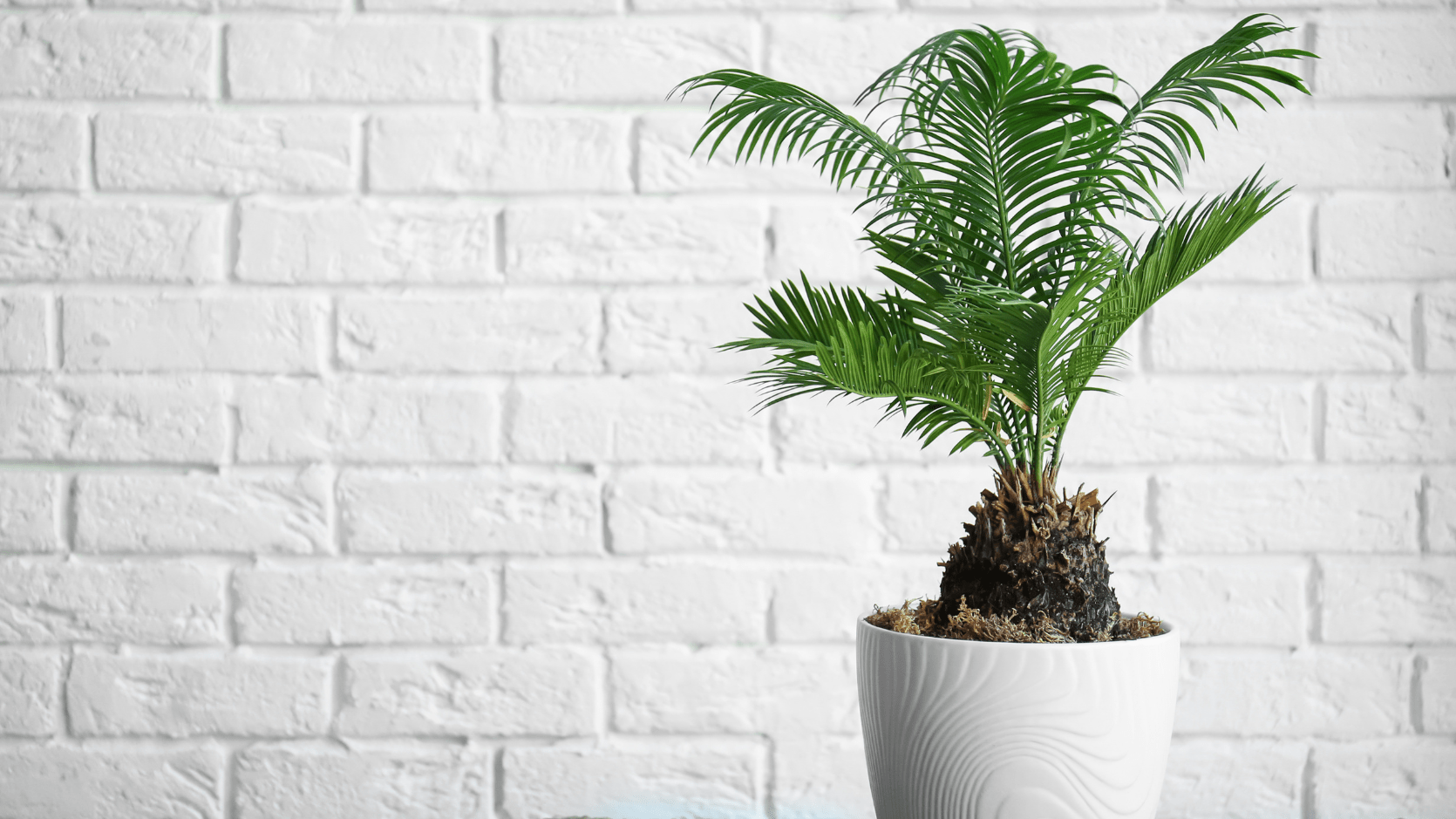
Sago palms, also known as King Sago Palms or Japanese sago palms (Cycas revoluta), are slow-growing, palm-like evergreen perennials that add a touch of tropical elegance to gardens or indoor spaces. With their arching pinnate leaves and unique golden-brown inflorescences, sago palms make a stunning addition to any landscape. In this article, we will discuss how to grow and care for sago palms to ensure their health and beauty.
Key Facts
| Common Name | King Sago Palm, Cycad |
| Botanical Name | Cycas revoluta, aka. Japanese sago palm |
| Synonyms | Cycas sexseminifera, Cycas miquelii |
| RHS Award of Garden Merit | Yes |
| Size | Ultimate height: 1-1.5 meters Ultimate spread: 1-1.5 meters Time to ultimate height: 20-50 years |
| Growing Conditions | Sandy Soil Moist but well-draining |
| pH | Acidic, Neutral |
| Positioning | Partial shade South or east-facing light. Sheltered location |
| Hardiness | H3 (hardy in coastal and relatively mild parts of the UK (-5 to 1)) |
| Foliage | Evergreen, flowering in the summer months |
| Family | Cycadaceae |
| Native to the UK | No |
Growing & Caring for Sago Palms
Top Tips:
- Avoid harsh sunlight; despite sago palms enjoying a warm and bright environment, too much sunlight can damage the foliage.
- For more humidity, place the plant container on a tray filled with water and pebbles or lightly mist the plant.
- Let the soil surface dry between waterings; these plants are very sensitive to overwatering.
- If you are growing this plant indoors, keep it away from any vents or drafts.
Potting & Repotting
Sago palms are excellent indoor and outdoor container plants. Due to their slow growth, they only require repotting around every three years. It’s smart to gently remove the plant from its pot each spring and replace the free soil with new soil to guarantee proper development. The best soil-based potting mix for this plant is one that has been amended with sand and peat moss.
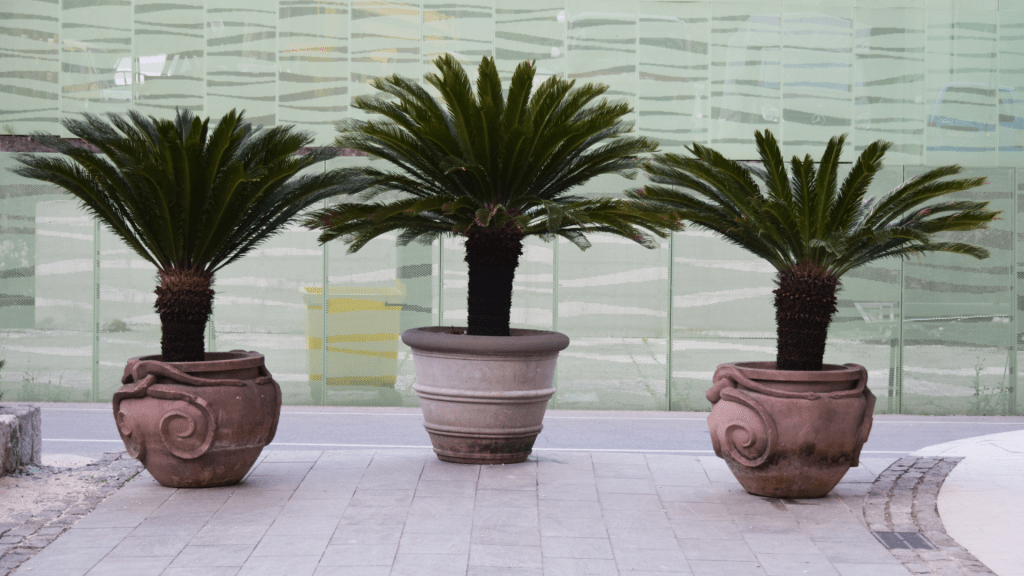
Because sago palms dislike wet and muddy soil, you should plant them in a ceramic or terra cotta pot that has not been glazed. The porous material will assist in removing excess soil moisture. Due to the fact that this plant prefers to be rootbound, select a pot that is only slightly larger than is necessary. Additionally, select a pot with multiple drainage holes to facilitate water drainage.
When purchasing Sago Palms supplied with planters from us, some varieties of the planters will need drainage holes drilled into the bottom to ensure adequate drainage, so be sure to check before transplanting.
Planting
Newly planted sago palms should only be moved during early spring, and mature palms can be transplanted during early spring or late autumn.
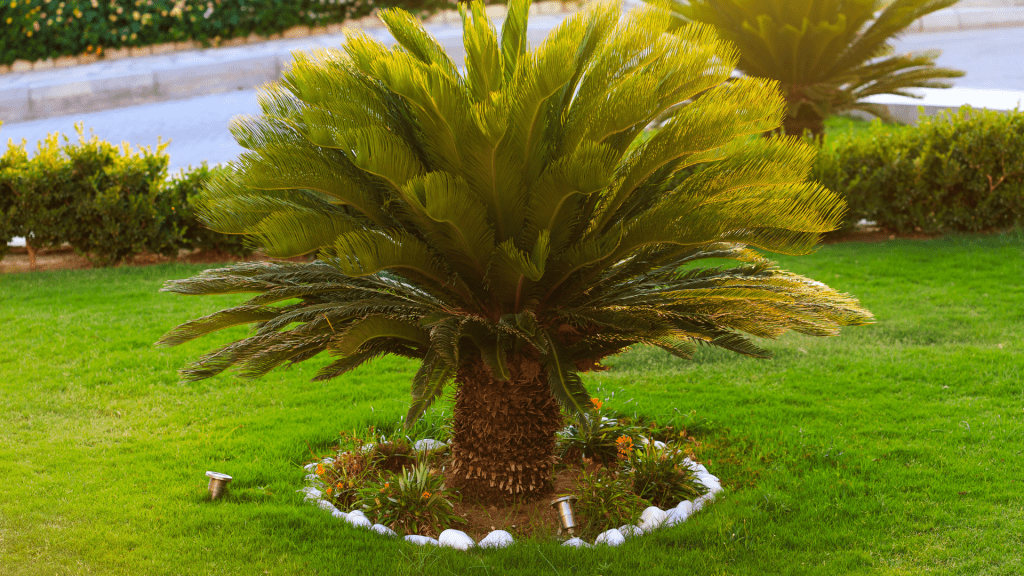
To plant sago palms outdoors, choose a sunny spot with enough partial shade so the leaves won’t scorch. If you intend to plant directly into the ground, follow these recommendations:
- Amend the soil around where the plant will sit, using compost and a sandy soil mix to get the necessary drainage the palm needs to thrive.
- Do not plant too deep, as this can impact its growth. Plant it at the same depth it was in the nursery container.
- Water occasionally throughout the week, depending on rainfall
Light Requirements
Sago palms prefer bright, indirect light, so avoid placing them in direct sunlight. However, too much shade can produce sparse leaves and an unhealthy plant.
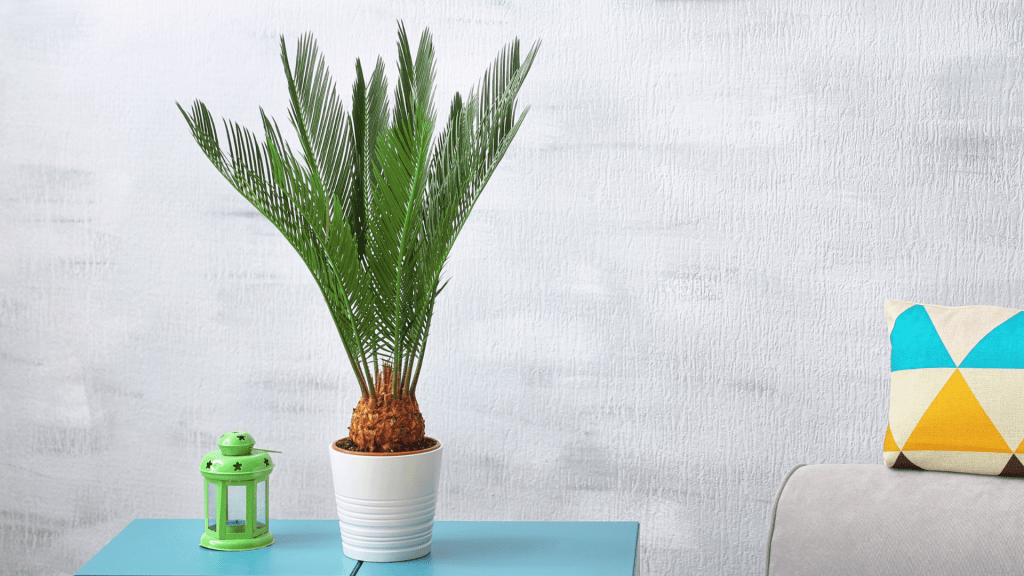
Select a bright east, west, or south-facing window when grown indoors. Indoor plants can be moved outside during warm weather, so long as the container receives dappled sunlight.
Soil Conditions
Sago palms aren’t overly picky about their soil but need good drainage. A sandy soil that’s somewhat rich in organic matter and slightly acidic to neutral soil pH is ideal. A potting mix made for cactus or palms is suitable for container plants.
Watering
Sago palms have some drought tolerance; however, they prefer a moderate amount of dampness in the dirt. Make sure not to overwater to the point where the soil becomes soggy. Water when the soil feels dry to the touch. In the winter, when the plant is not actively growing, slightly reduce the amount of watering.
Temperature & Humidity
These plants love warm, humid conditions. However, sago palms can briefly tolerate cold temperatures, but frost can damage the foliage. When grown inside, protect your sago palm from drafts and wind currents from vents; excessive temperature variances can harm the plant.
Fertilising
Throughout the growing season, from spring to autumn, apply a liquid fertiliser every month at a ratio of 18-8-18 (nitrogen, phosphorus, and potassium) in accordance with the package directions. You can also apply slow-release fertiliser two to three times during the growing season if you follow the directions on the package. Shop our Cycad Fertiliser now.
Pruning
Only trim the sago palm when the leaves have turned completely brown. Keep yellowing leaves intact. They may not look pretty, but they still absorb plant nutrients. Removing yellowing leaves may spur further yellowing and worsen the plant’s health. If you have to cut off some of the fronds, the ones that run along the plant’s bottom are the safest to do so. Cut them as close to the trunk as possible using sterilised pruning shears or hand pruners.
Overwintering
Sago palms are hardy; they can handle brief temperature snaps at -9°C but die when kept at -5°C or below for a prolonged period of time. To prevent plant death, provide winter protection. If you can’t take the plant indoors, then cover the plant with a lightweight blanket during a short cold snap. Uncover the plant when the frost melts away the next day.
Pests & Problems
Pests and diseases do not pose a significant threat to sago palms. Scale and spider mites, on the other hand, can be problematic. Look out for foliage damage or discolouration and tiny bugs among the fronds. Before using harsher chemicals, try to use an organic insecticide like insecticidal soap or neem oil. Also, make sure your plant has enough humidity and airflow.
Yellowing Leaves
Yellowing is normal in more established external leaves and can be credited to the existence pattern of that leaf. The oldest ring of leaves is in the lower part, at the bottom. Wait until the leaves turn brown and die before removing them.
Wilting Leaves and Leaf Drop
Root rot is a fungal infection often caused by too much water or poorly draining, compacted soil. The fungus gets to the plant’s roots and kills it inside out. An oozing, black sore or stain on the trunk is another indication of root rot. Root rot results in leaf wilt, discolouration, and leaves falling out. If you catch it early, you can remove infected foliage and treat the plant with a fungal spray or systemic fungicide. You might be able to save the plant.
Little Black Spots on Foliage
Regardless of whether your plant has recuperated from a bug strike, you could see little dark spots that seem to be soil or ash on leaves or stems. Sooty mould is a fungus that grows on the secretions that tiny bugs leave behind. With a constant stream of water applied to each location, this fungus can be removed from the sago leaves. The fungus will not consume the sago, but if it grows unchecked, it can take over a plant’s leaves and disrupt photosynthesis and the production of chlorophyll.