
This informative article covers everything from planting and trimming agapanthus to essential maintenance tips to ensure you can confidently cultivate these stunning, low-maintenance plants.
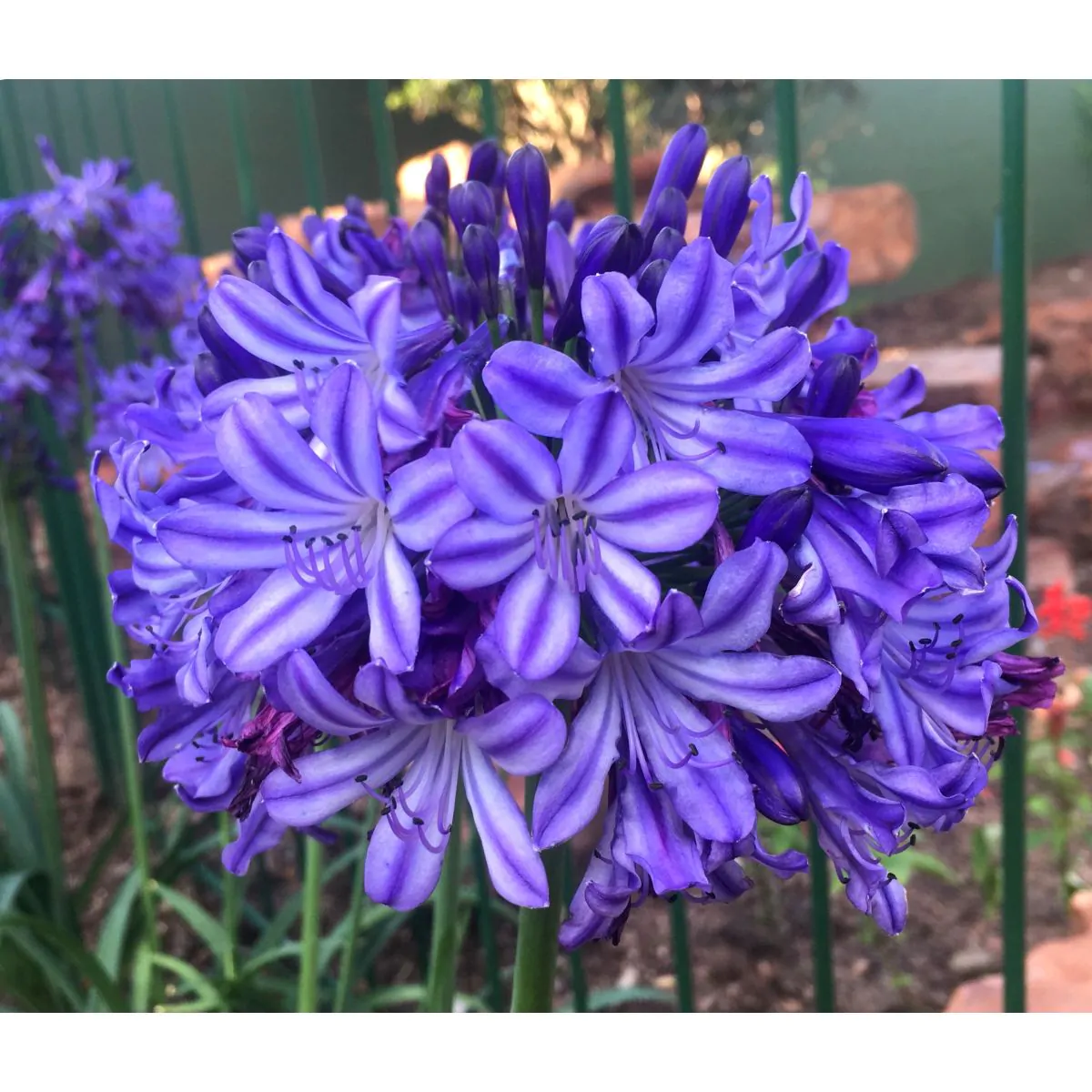
Introduction to Agapanthus
Agapanthus, commonly known as the ‘African lily’ or ‘Blue lily,’ is a stunning perennial that has gained popularity among gardeners for its striking blooms and low-maintenance nature. With its lush foliage and vibrant flowers, Agapanthus adds a touch of elegance to any garden.
Agapanthus is indigenous to South Africa and is a mainstay in landscape design and landscaping worldwide because of its adaptability to different conditions and resilience. The plant is a must-have for any garden because of its eye-catching blossoms and adaptability to various environments.
Agapanthus plants are excellent focal points, providing color and texture throughout the growing season. Whether planted in borders, containers, or pots, these beautiful plants can transform any outdoor space into a vibrant oasis.
Choosing the Right Agapanthus Varieties
Gardeners can choose from various agapanthus plants, each with its own characteristics and growing preferences to suit your garden. Agapanthus plants come in both evergreen and deciduous varieties, so there should be a species to suit you. Some of the most popular subspecies include:
- ‘Ever Sapphire’: This is a dwarf variety that produces long stems topped with bright blue flowers during the summer months. This variety is perfect for adding height to beds and borders.
- ‘Queen Mum’: The ‘Queen Mum’ agapanthus is a stunning alternative to the usual blue-coloured blooms. It produces striking white-tipped flowers above its waxy green foliage in the summer months.
- ‘Poppin Purple’: Another great option for adding a colour variety to your garden, ‘Poppin Purple’ produces long stems of dark purple flowers. This variety is long-lasting and has an extended flowering period, making it a great option for summer-long color in your garden.
- ‘Snowball’: This variety, as the name suggests, is a white subspecies. Bright green stems reach up, producing brilliant white snowball-like blooms at the top of the plant. This is perfect to combine with blue or purple-coloured agapanthus for a stunning border display.
When selecting Agapanthus plants, consider factors such as your garden’s climate, soil type, and the desired color and size of the blooms. Agapanthus flowers come in various shades of blue, purple, and white, allowing you to create a stunning visual display.
Planting Agapanthus
It is important to understand the current conditions in different areas of your garden before planting agapanthus. Factors like sun and wind exposure and the pH levels of your soil will affect where you may want to plant your agapanthus.
- Soil Type and pH Preferences: Agapanthus thrives in almost all well-draining soil. Most varieties are not fussy about the soil’s pH level; however, some varieties prefer slightly acidic soil, so ensure to check depending on the variety. If your garden is prone to waterlogging, it’s best to plant agapanthus in pots or containers where drainage can be controlled.
- Sunlight Requirements: Agapanthus generally flower best when positioned in full sun areas of the garden.
- Best Time to Plant: Agapanthus is best planted in the spring, from the end of March and into April.
Step-by-Step Planting Instructions
- Preparing the Planting Site: Choose a location with ample sunlight and well-draining soil. Clear the area of weeds and debris.
- Digging the Hole and Spacing Considerations: When planting in borders or containers, dig a hole the same size as the pot the plant is currently in and place it in the hole.
- Planting Depth and Watering Tips: Place the Agapanthus plant in the hole, ensuring the base of the stem is level with the soil surface. Backfill the hole with soil and water thoroughly to eliminate air pockets.
How to Trim and Care for Agapanthus Plants
Proper care and maintenance are crucial for healthy Agapanthus growth. Here are some essential tips:
- Watering Guidelines: Water Agapanthus regularly, especially during dry spells. Ensure the soil remains moist but not waterlogged to prevent root rot.
- Fertilization Tips: Use a balanced fertilizer in early spring to promote optimal blooming. Avoid over-fertilizing, as this can lead to excessive foliage growth at the expense of flowers.
- Pruning and Deadheading Techniques: Regular pruning helps maintain the plant’s shape and encourages new growth. Deadheading spent flowers keeps the plant looking tidy and promotes future blooms.
When and How to Prune Agapanthus
Prune Agapanthus in late summer or early autumn after flowering. Cut back the spent flower stalks to the base of the plant. Remove any dead or damaged leaves for deciduous varieties to encourage healthy growth.
Troubleshooting Common Issues with Agapanthus
Like any plant, Agapanthus can face challenges. Here’s how to troubleshoot common issues:
- Identifying and Managing Pests and Diseases: The main pest for these plants is the agapanthus gall midge. These are small flies that can deform and discolor the flower heads. Check your agapanthus as soon as the flower buds start to form. If you spot them, remove and destroy any infested flower heads.
- Signs of Disease: Look for yellowing leaves or wilting, which may indicate root rot or other issues. To prevent these problems, ensure proper drainage and avoid overwatering.
- Not Flowering: It is not uncommon for agapanthus to not flower, especially in its first season. If this happens, ensure regular watering throughout the summer and into autumn to ensure stunning blooms in the following year.
- Tips for Ensuring Healthy Growth: Monitor your plants regularly for signs of stress and adjust care as needed. Seasonal care adjustments, such as mulching in winter, can help protect Agapanthus during colder months.
Conclusion
Growing Agapanthus offers numerous benefits, from its stunning blooms to its low-maintenance nature. As a novice gardener, experimenting with Agapanthus can be a rewarding experience. With the right care and attention, these beautiful plants can become a focal point in your garden, creating a vibrant and inviting outdoor space.