
Hibiscus is a genus of flowering plants in the mallow family, Malvaceae, known for its large, vibrant flowers and diverse varieties. It is naturally found in tropical and subtropical regions and includes species such as Hibiscus sabdariffa, which is particularly renowned for its culinary uses. While naturally found in warmer climates, Hibiscus are easily grown in cooler temperatures, as seen in the UK.
Culinary History of Hibiscus
Hibiscus flowers are consumed worldwide, mainly as tea but also as an ingredient or garnish in various dishes.
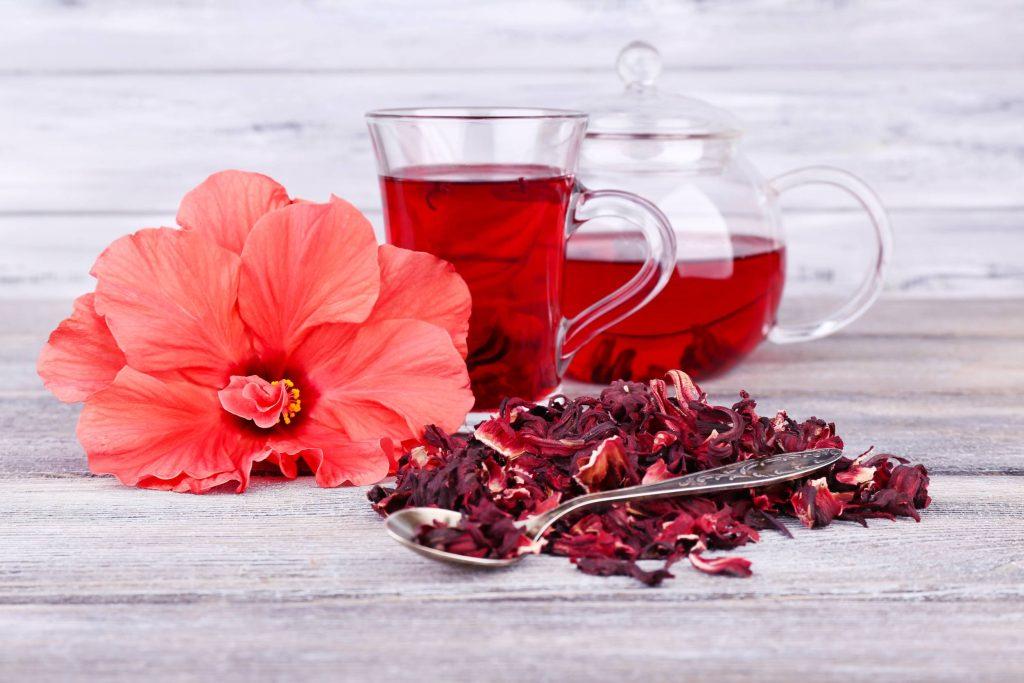
Hibiscus flowers can be used to make a red coloured beverage which can be consumed hot or cold. Countries in West Africa, Central America, and South Asia have made hibiscus drinks with differing names throughout history. In West Africa, the drink is known as ‘Gul e Khatmi,’ while in the Caribbean, it is known as ‘sorrel.’ Dried hibiscus is often candied or used as a garnish for sweet desserts in Mexico for example.
Edible Varieties of Hibiscus
While many hibiscus species are ornamental, some are specifically cultivated for their edible properties. Hibiscus sabdariffa, commonly known as roselle, is one of the most popular edible varieties, prized for its tart flavour and culinary versatility. Other varieties, such as Hibiscus Syracuse, can be used to make a citrusy-flavoured tea.
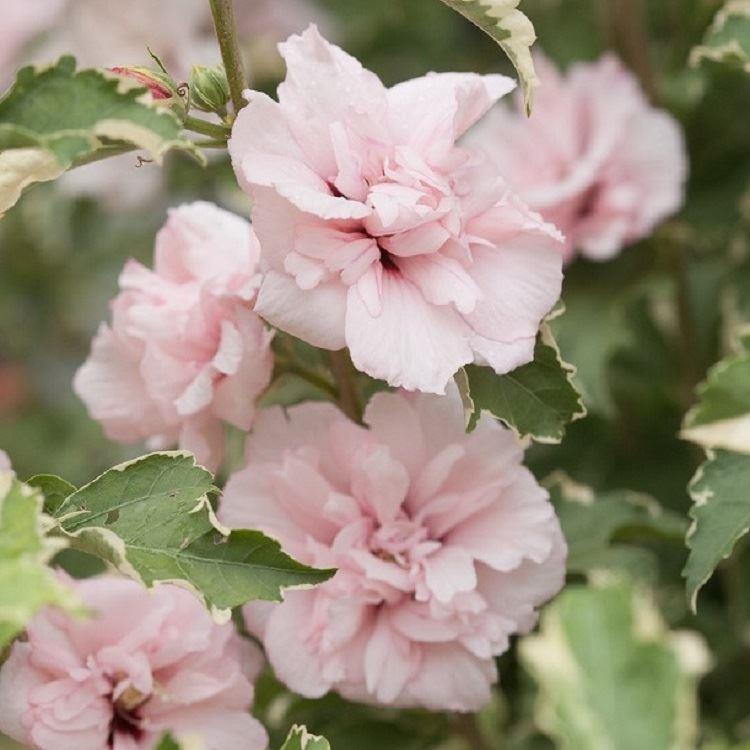
Rose of Sharon—This variety is a beautiful blooming hibiscus, loved for its attractive garden flowers and culinary uses. It has a milder flavour than other more citrusy varieties and is perfect for eating as part of a leafy salad or steeped into a tea.
Syriacus – The Syriacus varieties of hibiscus come in a wide range of colours, and are a popular choice for making hibiscus tea. Again, these are also commonly added to salads for a citrus kick.
Growing and Care for Hibiscus
Hibiscus plants thrive in bright, sunny locations, whether grown indoors or outdoors, needing around six hours of direct sunlight daily. They prefer moist but well-drained soil, which should be watered deeply when the top inch is dry. High humidity is essential, so regular misting or a humidity tray can help growth, especially if they’re kept indoors. If you see yellowing leaves, it may indicate overwatering, while a lack of blooms often points to insufficient light or excessive nitrogen. Hibiscus blooms on new growth, so regular pruning will encourage even more flowers.
Storage of Hibiscus for Consumption
If you are using fresh hibiscus flowers, it is best to use them as soon as they are picked to ensure they taste their best. If you would like to store hibiscus flowers for later use, it is best to dry them. To dry them, leave them in the sun during the day and take them in at night. Do this for a few days until they are totally dried and then store in an airtight container away from light and moisture. Proper storage will maintain their citrusy flavour and nutritional properties, allowing you to enjoy hibiscus tea for weeks.
Culinary uses of Hibiscus
One of the most popular uses of hibiscus is in beverages, particularly hibiscus tea, which is enjoyed both hot and cold. The tart flavour of hibiscus lends itself beautifully to jams and jellies, providing a unique twist to traditional recipes. Additionally, hibiscus can be incorporated into salads, adding a pop of colour and a tangy flavour that complements various ingredients and savoury dishes, enhancing their complexity.
Hibiscus pairs well with ingredients like citrus, ginger, and mint, meaning it can complement both sweet and savoury dishes. Add dried hibiscus to smoothies, marinades, or baked goods for an unexpected flavour boost.
Hibiscus flowers can be brewed as tea using fresh flowers, which can be consumed hot or cold. Add a handful of hibiscus flowers to a pot of water and bring to a boil. Cover the pot and allow the tea to steep for around 15 minutes. If you prefer your tea sweet, you can add other complimentary flavours like honey, citrus zest, or sugar. Drink hot or place in the fridge to cool for a refreshing summer drink.
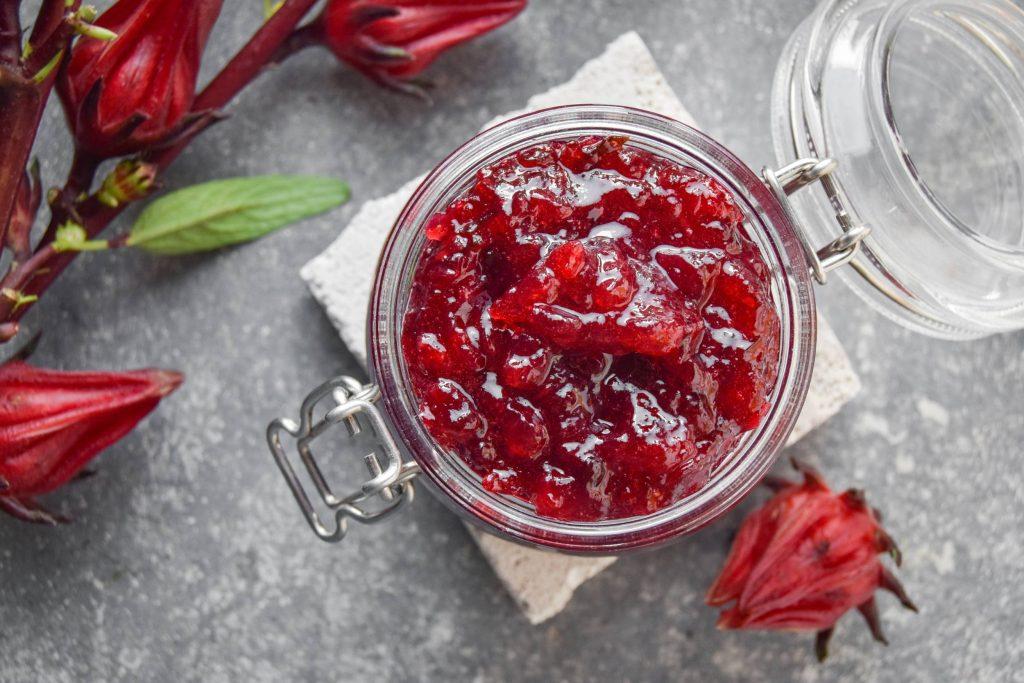
Hibiscus jam can be made by cooking hibiscus petals with water, sugar, and lemon juice. It is perfect for spreading on toast or pairing with cheese. Raw hibiscus flower petals can also be combined with fresh salad leaves and a light dressing for the perfect summer salad.