
Citrus trees are among the most rewarding plants a gardener can grow, combining glossy evergreen foliage, fragrant blossoms and the promise of delicious fruit. From lemons and limes to kumquats and exotic finger limes, they bring a flavour of the Mediterranean to patios, conservatories and gardens.
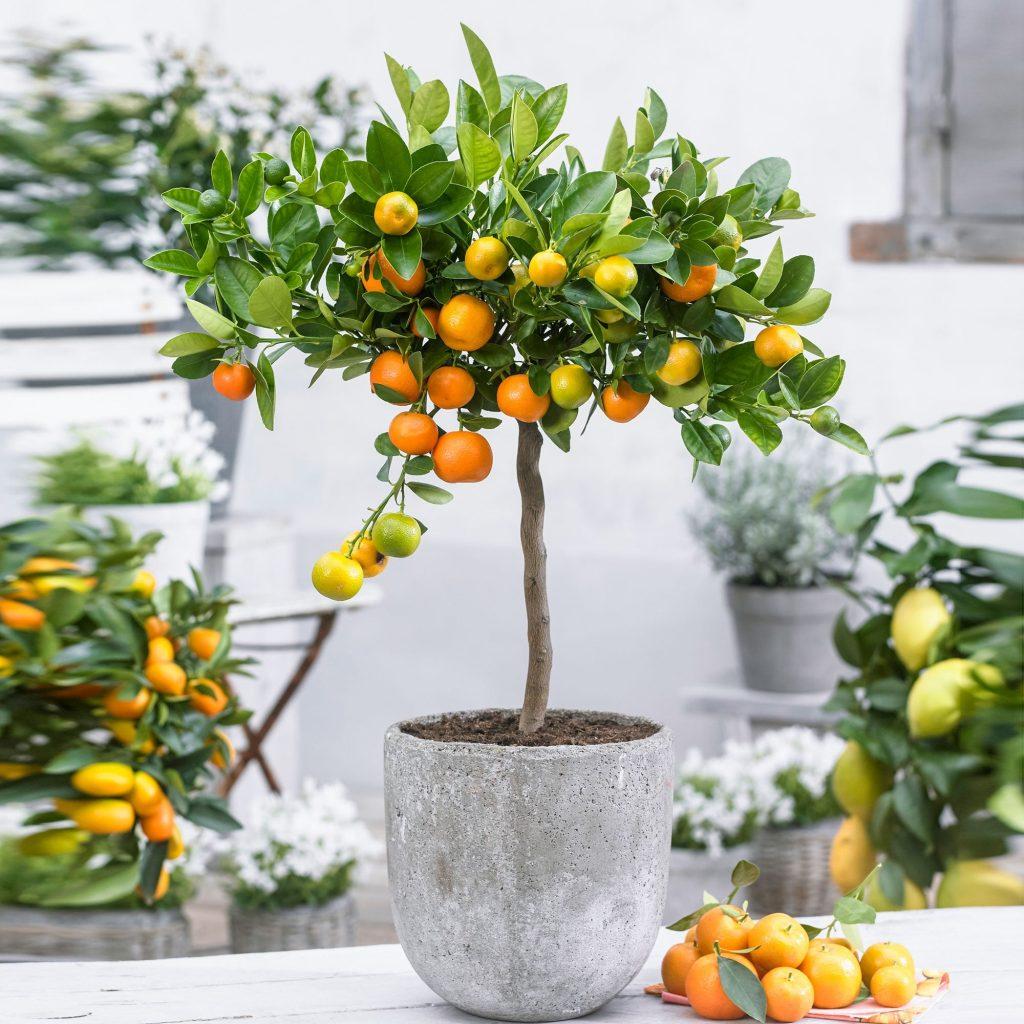
While citrus trees can be a little more demanding than some other plants, they will thrive for many years with the proper care. This guide explains everything you need to know about growing citrus trees successfully, including advice for popular varieties such as lemon trees, calamondin orange trees, grapefruit trees, orange trees, kumquat trees, Persian lime trees, finger lime trees and bergamot orange trees.
Choosing the Right Location
Citrus trees need plenty of light to remain healthy and productive. Ideally, they should receive at least six to eight hours of direct sunshine daily. During the warmer months, citrus trees can be grown outdoors where they will benefit from fresh air and natural sunlight.
Once temperatures begin to fall in autumn, the trees should ideally be brought indoors or moved into a frost-free environment such as a conservatory, greenhouse, or well-sheltered spot next to a building.
Most citrus trees cannot tolerate frost, so protection from the cold is essential. If planted outside, frost protection fleeces are a great way of keeping your trees frost-free and comfortable.
Even when grown indoors, citrus should be placed in the brightest spot, such as a south-facing window, and kept away from draughts or sudden temperature fluctuations.
Soil and Potting Needs
Citrus trees are best grown in containers or planters, allowing them to be moved with the seasons. They require free-draining compost to prevent their roots from sitting in water, which can quickly lead to root rot.
Always choose a pot with plenty of drainage holes, and keep an eye on the roots as repotting is generally needed every two to three years, ideally in spring.
Move the plant into a slightly larger pot only when the roots begin to circle the base or emerge from the drainage holes, as pots that are too large can retain excess moisture and damage the plant.
Seasonal Citrus Care
Caring for citrus trees is a year-round task, with different priorities for each season. In spring, growth will start again, and now would be a great time to feed your citrus tree. A citrus fertiliser will encourage strong foliage and fruit development, while watering should be increased gradually as temperatures rise. This is also a good time to lightly prune any wayward or dead branches that have not come back after winter.
Citrus trees are most active in summer and should be kept well watered. Feeding with a citrus fertiliser every two weeks will also help support healthy growth. Trees kept outside will enjoy the warmth and sunshine, but they should be checked regularly for pests such as aphids, scale insects and red spider mites.
As autumn approaches, feeding should be reduced, and watering gradually lessens as the trees prepare for winter. Before the first frosts, move citrus trees indoors to a conservatory or other frost-free place. This transition should be gentle to avoid shock. It is also wise to inspect plants for pests before bringing them inside.
In winter, citrus trees require bright light and cool, stable conditions. An ideal temperature is between 7 and 12°C. Watering should be done sparingly, allowing the top layer of compost to dry before adding any more water. If you have brought your citrus tree inside, misting the plant will help maintain humidity in the dry heat created by central heating.
Feeding and Pruning
Citrus trees are hungry plants and require regular feeding to perform at their best. Use a citrus fertiliser to promote leafy growth and fruiting from spring to late summer. Switch to a balanced fertiliser with higher potassium levels during autumn and winter to support fruit development and ripening. Signs of nutrient deficiency, such as yellowing leaves or weak growth, usually indicate that feeding needs to be adjusted.
Pruning citrus trees is generally straightforward. Light pruning in spring helps maintain a tidy shape, removes congested growth and improves airflow through the leaves.
Any suckers or small shoots that appear towards the base of the tree should be cut away as they divert energy from the main plant. Removing some of the developing fruits will allow the remaining crop to ripen more successfully if the tree produces more fruit than it can support.
Common Problems
Although citrus trees are relatively resilient, they can suffer from a few common issues. Yellowing leaves are often caused by overwatering, poor drainage or a lack of nutrients.
Leaf drop, especially when plants are moved indoors, is usually a response to sudden changes in light, temperature or humidity. Poor fruit ripening is common in the UK climate, as many citrus varieties require long, hot summers, but positioning trees in the warmest and sunniest spot available can help prevent this.
Pests such as scale insects, aphids and spider mites are most likely to appear in winter when plants are indoors, so check regularly and treat promptly.
Variety-Specific Advice
Different citrus varieties have slightly different needs.
Lemon trees are vigorous growers and among the most popular choices for home gardeners. They require a minimum winter temperature of around 10°C and can flower and fruit simultaneously, making them especially rewarding.
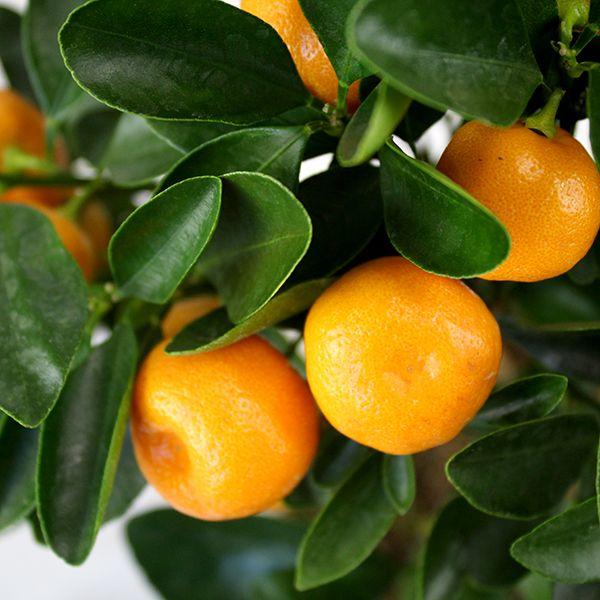
Calamondin orange trees are another excellent choice for outdoor cultivation, producing an abundance of small, decorative orange fruits that are edible though very tart. They are one of the toughest citrus trees, and can cope with winter temperatures down to -5°C
Grapefruit and sweet orange trees can handle winter temperatures of 10°C, so they will need to be moved to a warm spot during the cold periods.
By contrast, kumquats are among the hardiest citrus, with mature trees tolerating temperatures down to around -8°C. For optimal growth, however, around -1°C would be more suitable. They are compact, ideal for containers, and their small fruits can be eaten whole, peel and all!
Persian limes are less cold-tolerant, requiring a winter minimum of 10–12°C and consistently warm conditions to fruit well. Finger limes, with their unusual caviar-like pulp, are even more exotic and benefit from higher humidity and winter protection.
Bergamot oranges, prized for their aromatic peel and flowers rather than their fruit yield, also need shelter and warmth. While mature trees can handle temperatures down to -5°C, protecting these plants in the coldest months is best.
Summary
Citrus trees make a wonderful addition to any home or garden, offering year-round interest and the possibility of home-grown fruit. Success comes from understanding their needs for sunlight, warmth and careful watering, and providing regular feeding and frost protection.
Whether you are growing a lemon tree on the patio, a kumquat in a conservatory, or experimenting with more unusual varieties such as finger limes or bergamot oranges, the rewards are fragrant flowers, glossy foliage and a harvest of flavourful fruit.
With the right care, citrus trees will flourish and bring a true taste of the Mediterranean to your home.