
Dahlias remain one of the most popular plants in British gardens. They are loved for their bright, showy flowers. Dahlias are also popular in the kitchen, where their flowers and tubers are considered a delicacy.
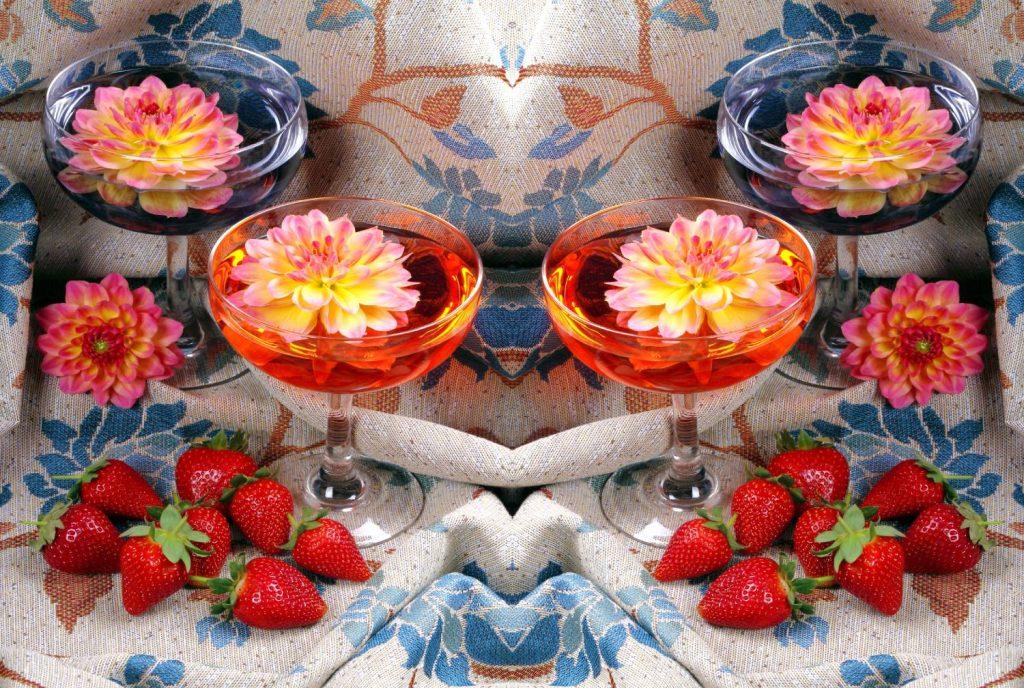
Culinary History of Dahlia Plants
The tubers of Dahlias were cultivated by indigenous people in Central America who valued them as a source of food.
Across Europe chefs have been drawn to using Dahlia flowers in their receipes and as a garnish, a trend which has
Edible Varieties of Dahlia
All varieties of Dahlia are technically edible; however, flavour varies significantly between varieties. Try roasting, mashing, or as a flavour additive for your desserts, experimentation with Dahlias is the key.
Planting and Caring for Dahlias
Dahlias grow best in sunny locations with well-drained soil. Plant tubers in spring once the danger of frost has passed. Dahlias benefit from regular watering during the growing season.
Seeds are sown in February through to July in organic rich soil.
Best Practice for Harvesting Dahlia Flowers & Tubers
Dahlia tubers should be harvested and treated like root vegetables. Wait until the foliage dies back (generally when the first frost comes along) then carefully lift the tubers with a garden fork, Tubers should be cleaned by gently brushing off loose soil and finally washed. They are then ready for culinary use. Tubers can be stored in a cool but dry environment.
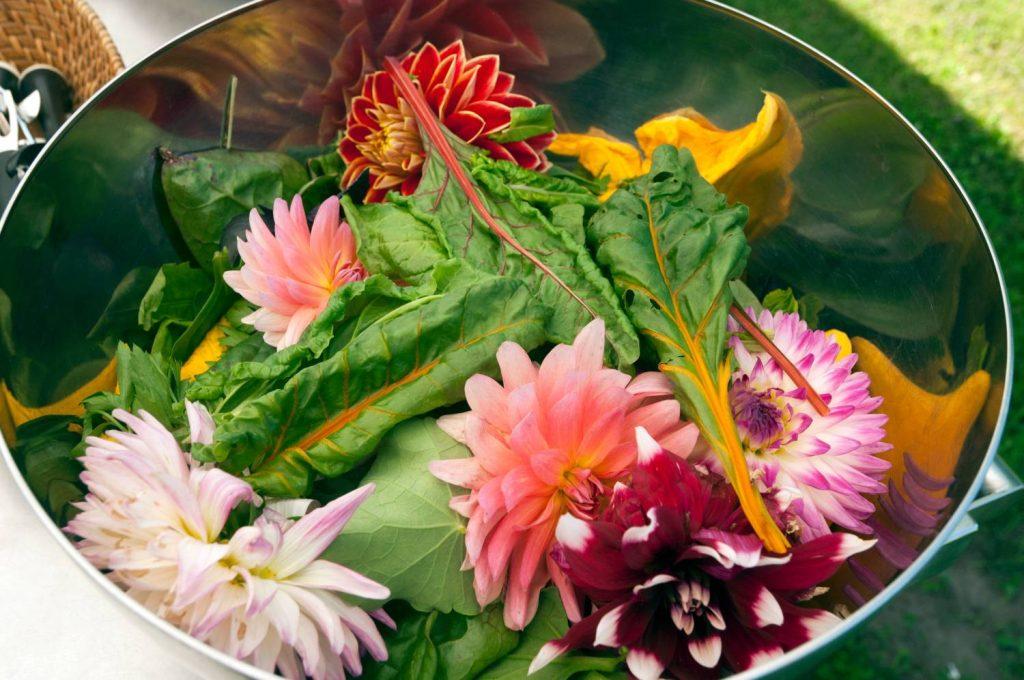
Dahlia flowers are delicate and they should be consumed shortly after they are picked.
Culinary Uses of Dahlias
The Irish Times has a great article on culinary uses of Dahlias, including adding them to a stir fry.
Tubers tend to be boiled with their skins removed, and they are often favoured over sweet potatoes in recipes. The water used to cook the tubers can be used to make flavoured teas or fruit drinks.
James Wong the well-regarded author and botanist, suggests using the tubers to make Dahlia ice-cream, Dahlia crisps and Dahlia rostis or “latkes” in his book ‘Homegrown Revolution‘