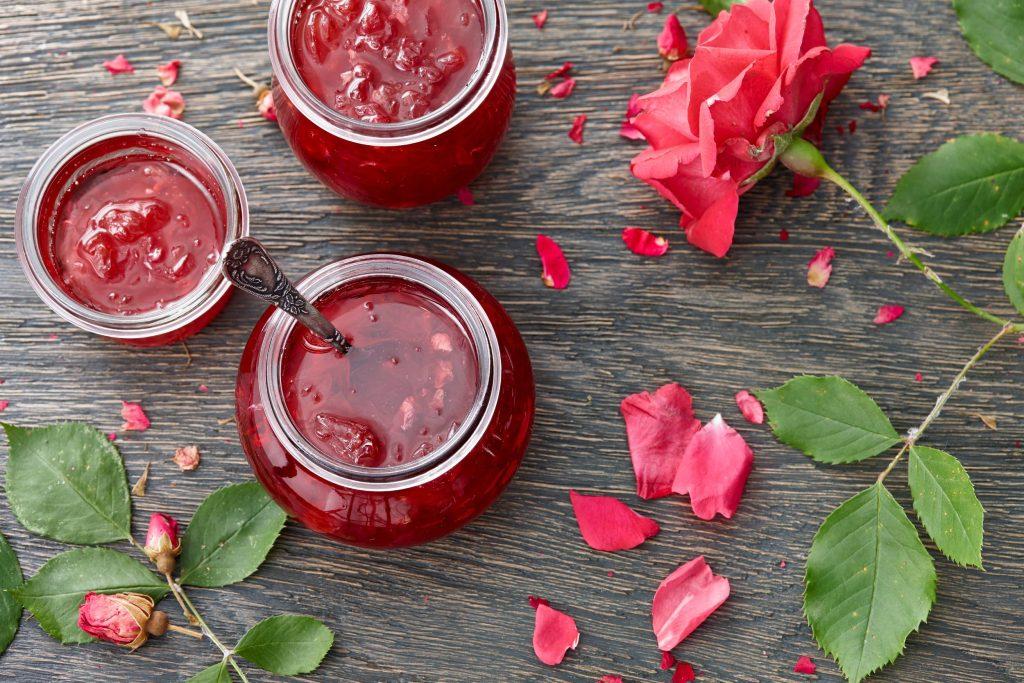
Climbing roses are a popular choice for many gardeners and are loved for their ability to adorn trellises, fences, and walls with beautiful blooms and fragrances. These perennial plants are characterized by their long, flexible stems, which can reach impressive heights and come in various colours. Their flowers are not only stunning to look at but are also edible.
Culinary History of Climbing Roses
The culinary use of roses dates back centuries, with various cultures incorporating these fragrant blooms into their cuisines. In ancient Persia, rosewater was a staple in cooking, while in medieval Europe, rose petals were often used to flavour dishes and create exquisite desserts. Rosewater, for example, is the main flavouring ingredient in Turkish Delight. The tradition of using climbing roses in culinary applications continues today as more people rediscover their versatility and unique flavour.
Edible varieties of climbing rose
All rose petals are effectively edible. However, some lend themselves to culinary use more than others due to their desirable taste, fragrance, or colouring.
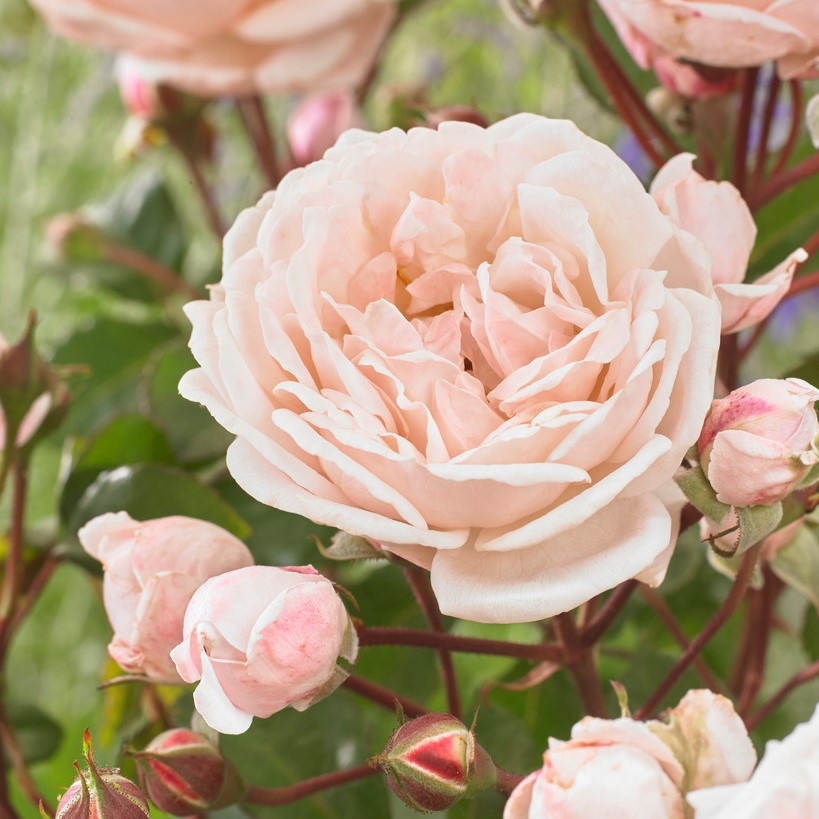
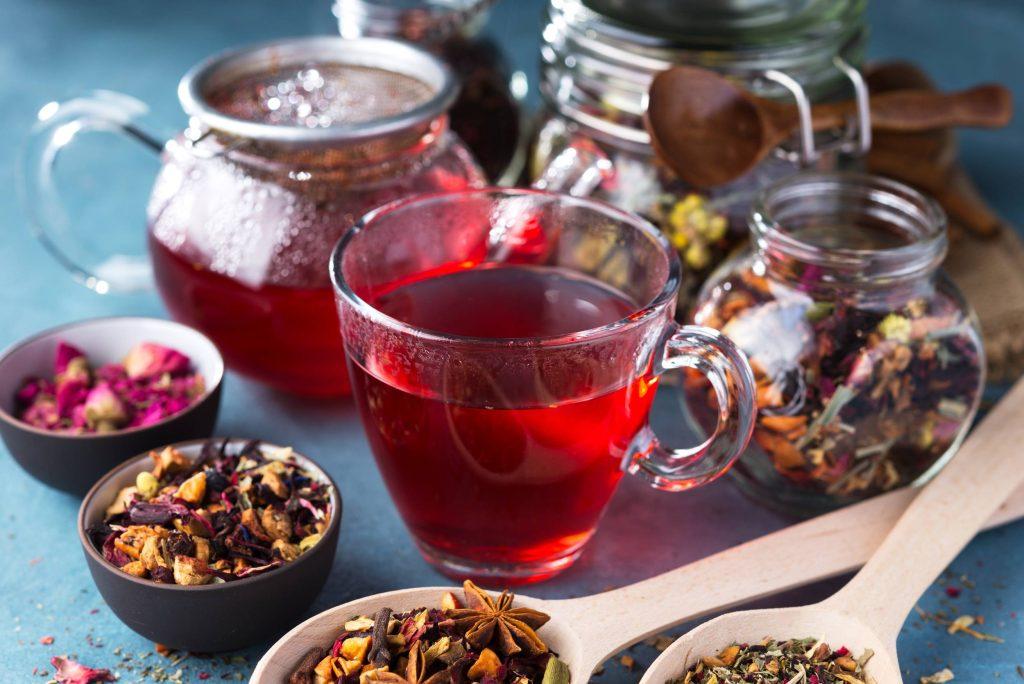
New Dreams – This delightful pink variety would be perfect for growing for tea and food decoration. Its blushing pale pink petals boast a beautiful fragrance, perfect for steeping and infusing.
Landora – The golden yellow flowers of the landora will brighten any summer dish, and its fragrant leaves, again, are perfect for teas and syrups.
Laguna – This vibrant pink variety boasts a powerful fragrance, ideal for tea or infusing into Rosewater for a showstopping dessert.
Growing Edible Varieties of Climbing Roses
To cultivate climbing roses for culinary use, select varieties known for their edible petals, such as the ones listed above. Ensure that they are planted in well-draining soil in a position where they will receive a good level of sunlight. Also, ensure they have enough space to climb and spread out to get the highest possible yields. Yearly pruning will help to maintain the size and shape of your climbing rose for easy harvesting, and regular deadheading of finished blooms will encourage healthy growth and abundant flowering throughout the season. Additionally, practising organic gardening techniques will ensure that the roses are safe for consumption.
Storage of Rose Petals for Consumption
Proper storage of rose petals is essential to maintain their freshness and flavour. Fresh petals should be rinsed gently and dried before being stored in an airtight container in the refrigerator. For longer storage, consider freezing the petals, which allows you to enjoy their culinary benefits throughout the year. When using stored petals, ensure they are still vibrant and fragrant, discarding any that appear wilted or discoloured.
Culinary Uses of Climbing Roses
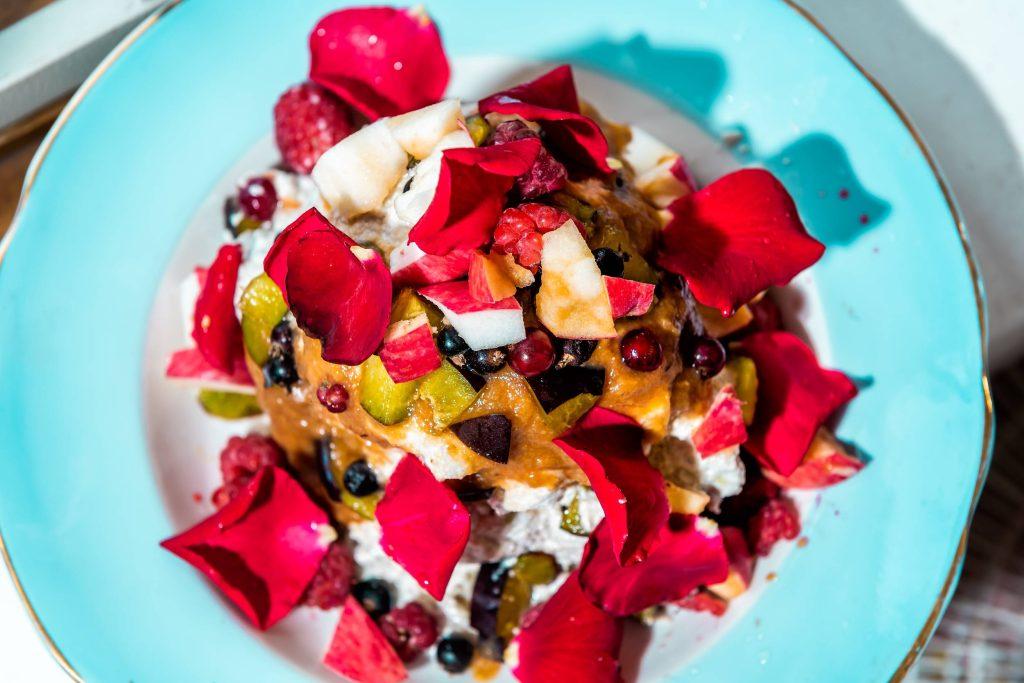
The culinary possibilities with climbing roses are as diverse as their colours. Edible rose petals can be incorporated into salads, adding a touch of elegance and a hint of sweetness. For instance, a refreshing rose petal salad can be created by combining mixed green leaves, sliced strawberries, or blueberries, and a light vinaigrette, which can be garnished with fresh rose petals for a visually impressive and flavourful dish.
In addition to salads, climbing rose petals can create delicious rose petal jam or infused into aromatic syrups. To make rose petal jam, combine your freshly picked petals with sugar, lemon juice, and water and simmer until thickened. Allow to cool and set before putting into a sterilised container. This jam can then be spread on toast or used as a filling for pastries. Rose-infused syrups can be made by steeping rose petals in sugar water, resulting in a fragrant syrup perfect for drizzling over desserts or mixing into beverages.
Consider complementary flavours such as citrus, honey, or vanilla when pairing climbing roses with other ingredients. This enhances the overall taste and allows the unique floral notes to shine through in your culinary endeavours.