There are so many factors that go into choosing plants for your garden. Your first thought may be aesthetics; how your garden looks is really important and can impact how it makes you feel. However, there are other factors to think about. Gardeners need to understand the unique environmental conditions in their garden: their microclimates.
What are microclimates?
Microclimates are localised climates with different conditions to the overall local climate. They’re influenced by factors like shading and exposure to wind. Click here to read more about microclimates, and how to identify those in your own garden.
How do microclimates impact plant growth?
These localised climates can have a huge effect on the growth and health of your plants. Therefore, you should carefully choose your plants according to your own specific garden conditions. Click here to learn about analysing the microclimate in your garden. Once you’ve done this, you can either make changes to the conditions in your garden or use this information to start choosing plants that will thrive in your outdoor space. For example, you may have shadier areas in one part of your garden and sunnier areas in the other; this will impact how well different species of plants will grow in those areas.
Choosing plants for specific microclimates
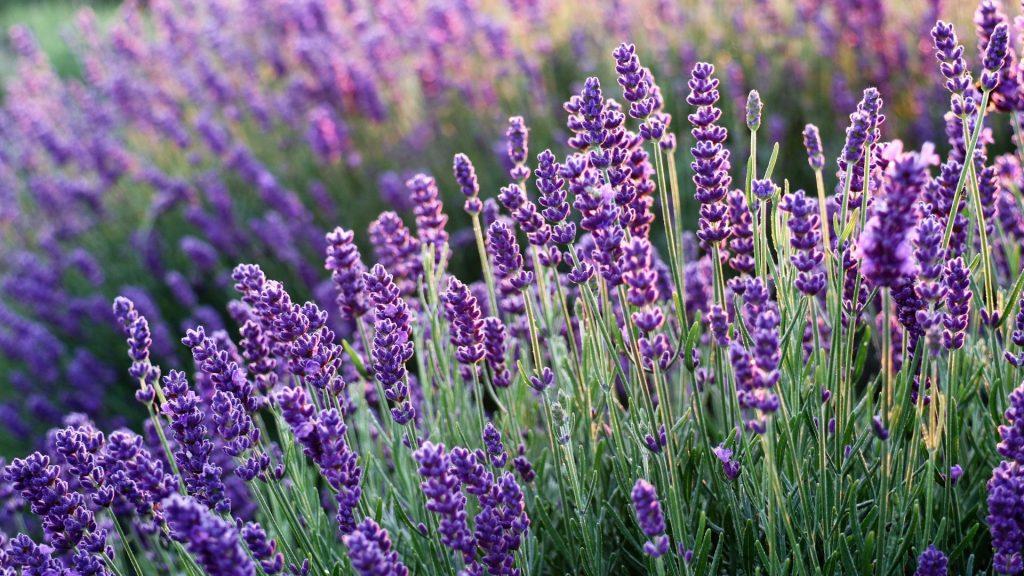
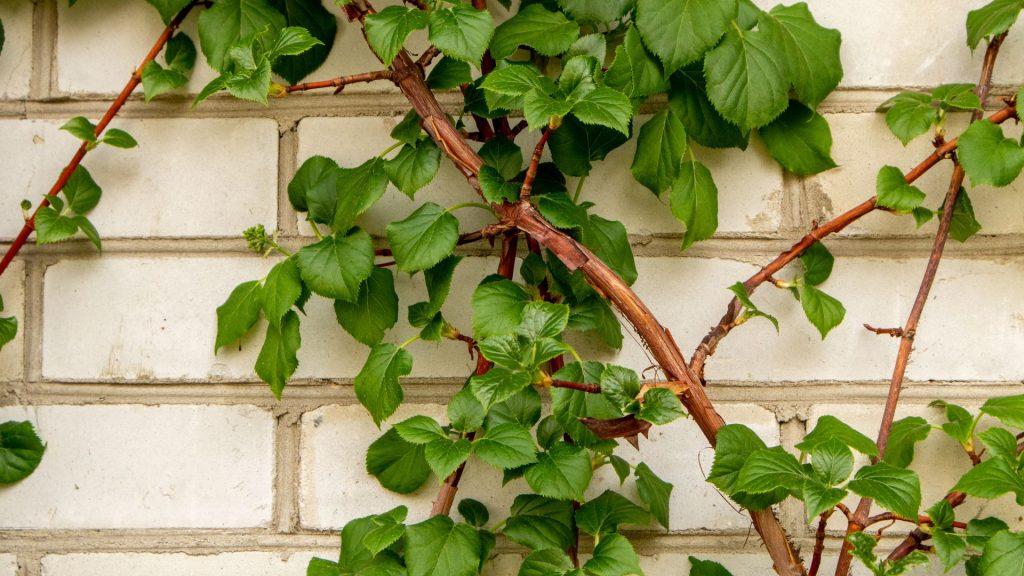
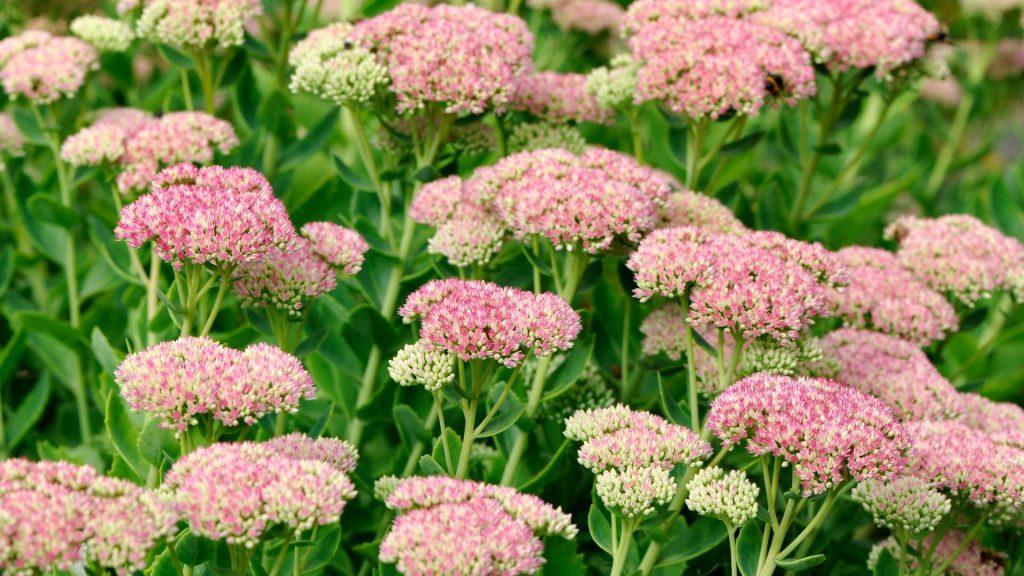
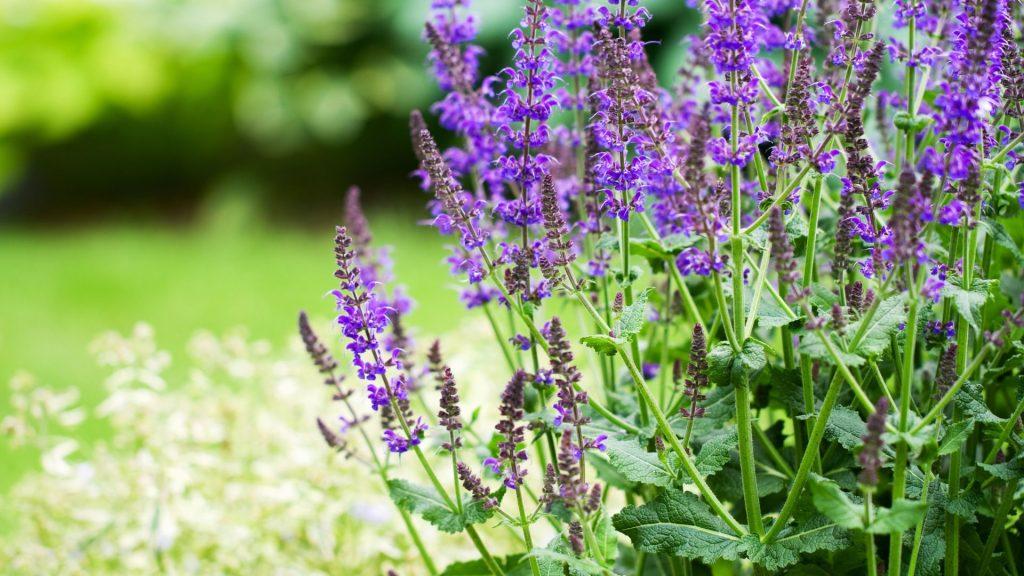
Before deciding what plants to buy, research which species will do well in different conditions. Click here to view our detailed articles about plants for different garden conditions. In the meantime, here are some examples of plants that might suit your microclimate.