
Discover the best practices for nurturing your pitcher plants, from proper watering techniques to ideal growing conditions and troubleshooting common issues. Whether you’re a beginner or experienced gardener, these tips and tricks will provide valuable insights and advice to help you achieve healthy growth for your pitcher plants.
Understanding Pitcher Plants
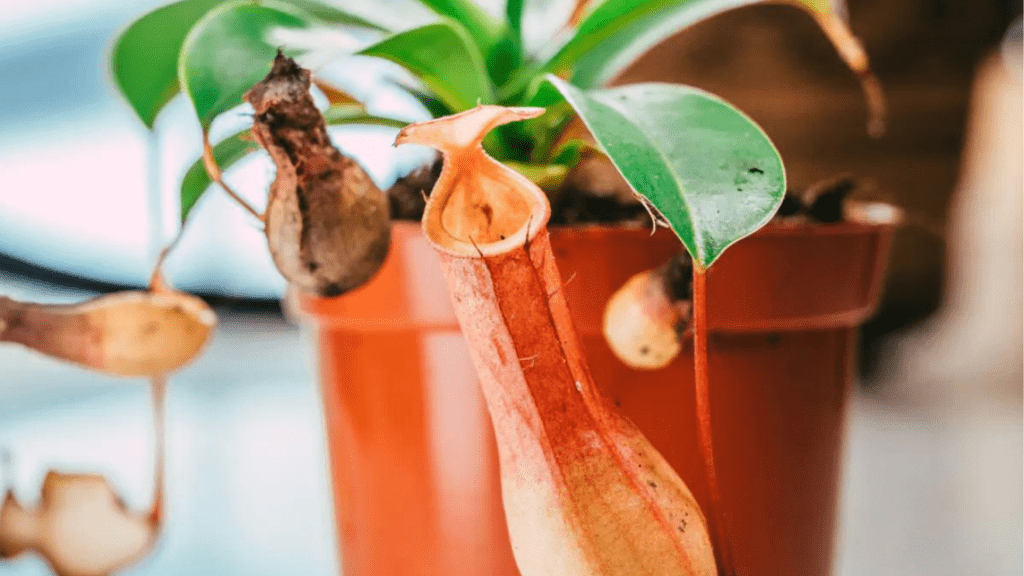
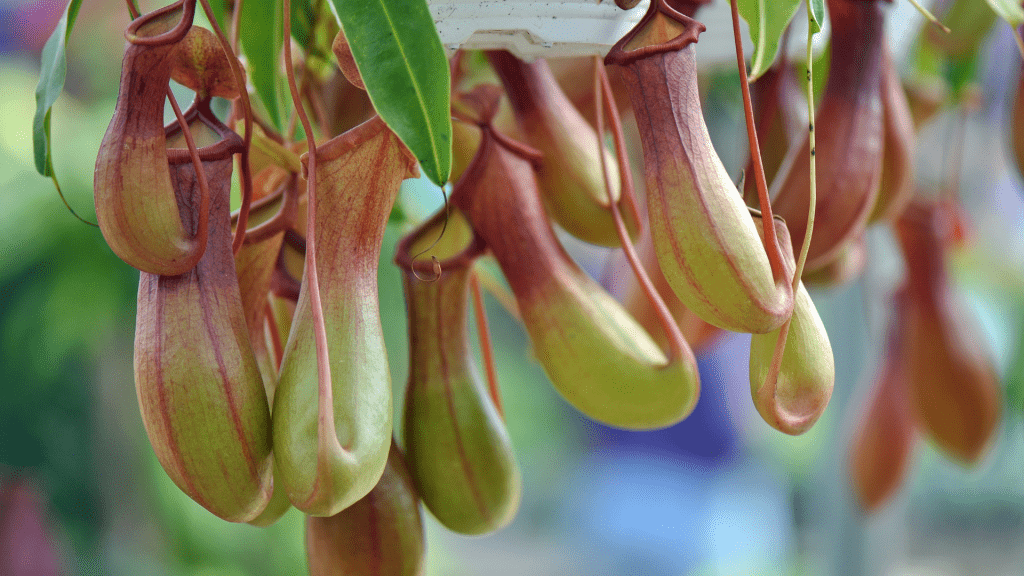
Pitcher plants are a fascinating group of carnivorous plants known for their unique pitcher-shaped leaves that act as traps for insects. These plants are not only intriguing to look at but also serve as natural pest control in the garden. There are several types of pitcher plants, with the trumpet pitcher plant being one of the most popular varieties.
The trumpet pitcher plant, also known as Sarracenia, is native to North America and is characterised by its tall, trumpet-shaped pitchers that are often adorned with intricate veining and vibrant colours. These plants are a favourite among plant enthusiasts for their striking appearance and relatively low maintenance requirements.
Ideal Growing Conditions for Pitcher Plants
Light Requirements
Pitcher plants thrive in bright, indirect light. When grown indoors, place them near a south or west-facing window where they can receive ample sunlight, or by using a grow light to provide the plant with at least six hours of sunlight each day. Outdoors, they can be grown in partial shade to protect them from intense midday sun, however they do require six hours of sunlight to thrive.
Temperature and Humidity Needs
These plants prefer moderate to high humidity levels, making them well-suited for terrarium or greenhouse environments. They also thrive in temperatures ranging from 18°C to 24°C during the day and slightly cooler temperatures at night.
Soil and Potting Requirements
Pitcher plants require a well-draining, acidic soil mix. A blend of peat moss and perlite is ideal for mimicking their natural boggy habitat. When potting these plants, use a container with drainage holes to prevent waterlogged soil, which can lead to root rot.
Watering and Feeding Tips
Proper Watering Techniques
Watering pitcher plants can be a bit tricky, as they require consistently moist soil but are susceptible to root rot if overwatered. It’s best to use distilled water, rainwater, or reverse osmosis water to avoid the mineral build-up that can harm these plants. Keep the soil evenly moist, but not waterlogged, and ensure that the water does not collect in the pitchers, as this can lead to rotting.
Feeding and Fertilising Pitcher Plants
Pitcher plants supplement their nutrient intake by trapping and digesting insects in their pitchers. However, if grown indoors or in a location with limited insect activity, they may benefit from occasional feeding with small, live insects or fish food pellets. Fertilising pitcher plants is generally not necessary, as they obtain sufficient nutrients from their prey.
Avoiding Common Watering Mistakes
Overwatering is the most common mistake when caring for pitcher plants. It’s important to monitor the soil moisture levels and adjust your watering frequency based on the plant’s specific needs. Additionally, using tap water or water high in minerals can lead to nutrient deficiencies and damage the plant’s sensitive roots.
Troubleshooting Common Issues
Dealing with Pests and Diseases
These plants are relatively resistant to pests and diseases, thanks to their carnivorous nature. However, they can still fall victim to common houseplant pests such as aphids and spider mites. If infestations occur, gently rinse the plant with water and consider using insecticidal soap as a natural remedy.
Addressing Yellowing or Browning Leaves
Yellowing or browning leaves can be a sign of overwatering, underwatering, or poor soil drainage. Assess the plant’s watering schedule and soil conditions to identify the underlying issue. Trim away any dead or dying foliage to promote new growth.
Preventing and Treating Root Rot
Root rot is a serious concern for pitcher plants, especially when grown in soil that retains too much moisture. To prevent this issue, ensure that the soil is well-draining and adjust your watering practices accordingly. If root rot is detected, carefully remove the affected areas and repot the plant in fresh, sterile soil.
FAQ’s
Yes – old pitchers can attract disease and take energy from your plant. By gently dethatching these spent pitchers by snipping them at the base, you can help the plant thrive more. Just make sure not to cut a healthy one.
Pitcher plats need moisture and high humidity to thrive. If they experience dry soil or low humidity for a prolonged time, they will die off. Your plant can bounce back if you resolve these issues, but some pitchers are likely to die-off as a result.
Pitcher plants often have small bodies of liquid contained within the pitcher traps, this is called phytotelmata. This liquid helps to drown the insect prey and gradually dissolve it.
Conclusion
Caring for pitcher plants, whether indoors or outdoors, requires a delicate balance of light, water, and nutrient management. By providing the ideal growing conditions, practicing proper watering techniques, and promptly addressing any issues that arise, you can enjoy healthy growth and vibrant pitchers from these captivating carnivorous plants. Whether you’re a novice plant enthusiast or seasoned gardener, these tips and tricks will help you cultivate thriving pitcher plants in your home or garden.