
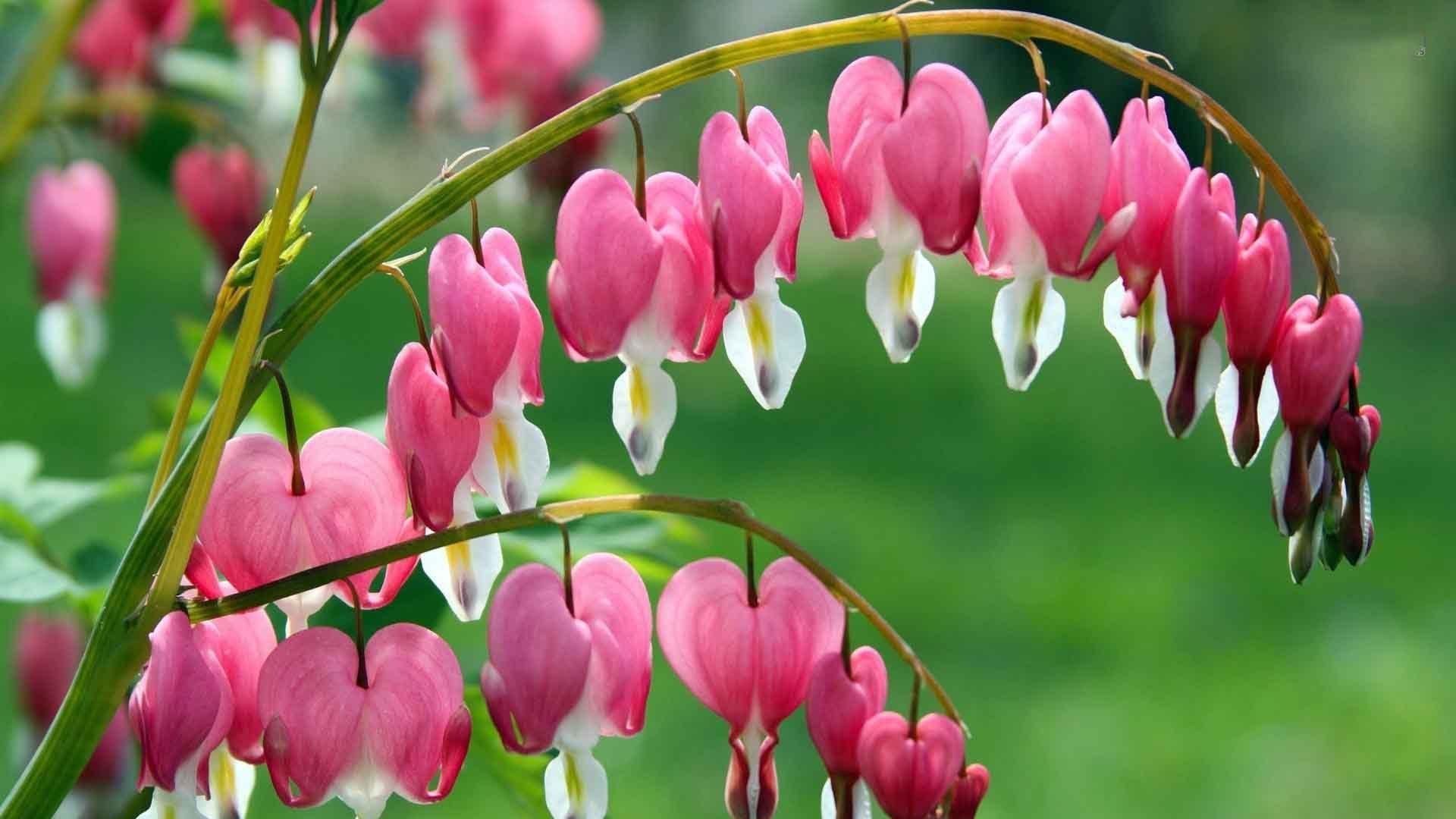
Few plants stand out in the garden quite like the Dicentra spectabilis, more commonly known as the Bleeding Heart. Its arching stems drip with its signature heart-shaped pink blooms each spring, and it has become a cottage-garden favourite amongst gardeners in the UK. Perfect for shady spots, this perennial adds a graceful touch wherever it grows. In this guide, we’ll explore everything you need to know to plant, grow, and enjoy Bleeding Hearts year after year.
Varieties of Dicentra spectabilis
The Bleeding Heart, once classified as Dicentra spectabilis and now formally named Lamprocapnos spectabilis, originates from woodland areas of China, Korea, Japan, and Siberia. It’s natural preference for cool, moist shade perfectly suits British gardens.
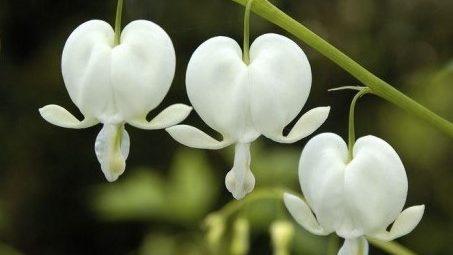
Several cultivars exist beyond the classic pink form: ‘Valentine’ has deep red flowers, ‘Alba’ has elegant white hearts, and ‘Gold Heart’ has golden foliage for extra contrast. Each brings a unique twist while retaining the same classic flower form.
Ideal Growing Conditions
Bleeding Hearts are woodland plants that thrive best in partial or dappled shade. They can tolerate morning sun but will struggle in strong midday heat in particularly warm weather, as it can scorch the leaves and shorten the flowering period.
The soil should be fertile, moisture-retentive, and free-draining. Compost or leaf mould can improve heavy clay and compacted soils, while added organic matter benefits sandy soils.
Keep the soil consistently moist during the growing season, especially in dry spells, but avoid waterlogging. Happily, these perennials are fully hardy in the UK and withstand even severe winters, dying back before reliably re-emerging each spring.
Planting & Spacing
The best times to plant bleeding hearts are spring, after the last frost, or autumn, when the soil is still warm but before the first frosts of winter.
If planting multiple bleeding hearts together, allow at least 80–100cm between plants to give them space to develop into attractive clumps. Choose a sheltered position, protected from strong winds that might damage the arching flower stems. They pair beautifully with spring bulbs, ferns, and other shade-loving woodland perennials.
Pests, Diseases & Toxicity
Generally low-maintenance, Bleeding Hearts can attract slugs and snails, particularly to young shoots in spring. Aphids may also be found on tender growth, so be sure to keep an eye out and treat early if infestations appear.
Leaf spot or powdery mildew can develop in damp, crowded conditions. Ensuring good spacing when planting to maintain airflow will help prevent this.
It’s worth noting that all parts of the plant are toxic if ingested, and the sap can irritate the skin, so take care when handling it and keep it away from pets and children.
Design Tips & Companion Plants
Bleeding Hearts shine in shaded borders, woodland gardens, or as focal points under deciduous trees. They combine beautifully with hostas, ferns, hellebores and spring bulbs, creating layers of texture and colour.
They can also be grown in large containers with a well-drained compost mix. Ensure the pot is at least 30 cm across, and refresh or divide the plant every few years to maintain health.
Conclusion
With its romantic, heart-shaped blooms and graceful form, the Bleeding Heart remains a timeless garden plant. Given shade, moisture and a little seasonal care, it rewards with a spectacular spring display and will return reliably for years to come. Whether in borders, under trees, or in containers, this plant adds elegance and charm to any garden setting.