
Pumpkin companion plants are a fantastic organic gardening technique that can significantly enhance your garden’s health and productivity. Planting specific crops together can naturally improve pest and disease control, attract beneficial insects, boost nutrient uptake, and increase overall yield. This practice helps create a balanced ecosystem in your garden, allowing nature to thrive. If you haven’t done so already, read our pumpkin growing guide and pumpkin decorating guide here.
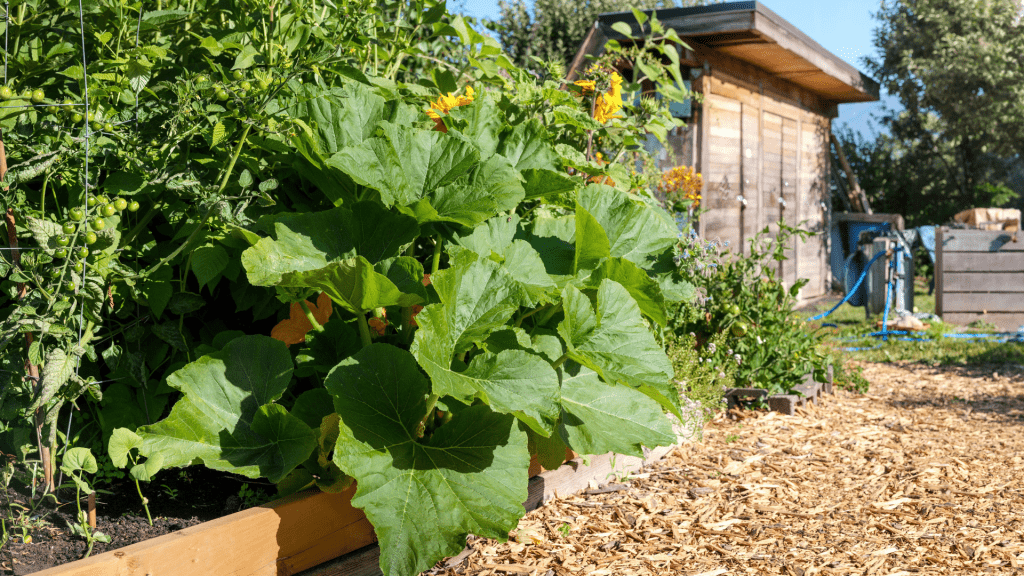
Benefits of Companion Planting
Organic Pest Control
Certain plants emit scents that repel, attract, or confuse pests, making them less likely to attack your garden vegetables. Marigolds, for example, are known for deterring beetles, while catnip repels ants, weevils, and squash bugs.
Attract Beneficial Insects
Plants like dill, fennel, and alyssum attract beneficial insects such as ladybugs, bees, and butterflies. These insects pollinate your plants and control harmful bugs such as aphids and caterpillars. For instance, dill attracts hoverflies, ladybugs, and predatory wasps, which help keep pest populations in check.
Provide Necessary Shade
Tall plants that love the sun can provide shade to smaller, shade-loving plants, enhancing their growth and potentially aiding in pest control. A great example is The Three Sisters Garden, which includes corn, beans, and squash. Corn provides shade for squash and deters the squash vine borer beetle.
Shelter Plants
Certain plants can act as windbreaks and prevent soil erosion, protecting your garden from wind and rain damage. For instance, sunflowers can provide shade in hot summer areas and act as a windbreak, shielding more delicate plants from harsh conditions.
Provide Natural Supports
Companion plants can support each other physically, reducing the need for staking. For instance, corn provides stalks for beans to climb, preventing them from being outcompeted by sprawling squash vines. This natural support system can make your garden more efficient and reduce the amount of labour required.
Save Space
Interplanting different crops maximises space and improves productivity, especially in small gardens. Using every inch of space wisely can grow more food in a limited area. For example, planting radishes with your pumpkins can help break up the soil and better use garden space.
Enhance Flavors
Certain plants can enhance the flavour of nearby plants. For example, basil improves the taste of tomatoes, and chamomile enhances the growth and flavour of cabbages, cucumbers, and onions. This flavour enhancement can make your harvests even more enjoyable and nutritious.
Better Soil Quality and Fertility
Certain crops fix nitrogen from the atmosphere, reducing the need for fertiliser. Plants with varied root structures can aerate the soil and draw nutrients from different depths. For example, beans and legumes are excellent nitrogen-fixers, improving your pumpkins and squash soil. Companion planting also adds aesthetic value to the vegetable garden, with colourful flowers that assist or protect nearby vegetables.
Excellent Pumpkin Companion Plants
Beans
Beans fix nitrogen in the soil, improving soil nutrients and benefiting pumpkins and squash growth. This symbiotic relationship helps both plants thrive.
Corn
Corn provides shade and deters squash vine borer beetles. When planted together with beans and squash, as in The Three Sisters Garden, these plants support each other and improve overall garden health.
Dill
Dill attracts beneficial insects like hoverflies, ladybugs, and predatory wasps, which help control pests. Its aromatic leaves also add flavour to many dishes, making it a versatile garden addition.
Legumes (Peas)
Legumes fix nitrogen in the soil, increasing soil nutrients and benefiting nearby plants. Peas can be planted early in the season to prepare the soil for your pumpkins and squash.
Lemon Balm
Lemon balm repels squash bugs, making it an excellent pumpkin companion plant. Its fragrant leaves can also be used in teas and other recipes.
Marigolds
Marigolds deter beetles and add colour to the garden. Their bright blooms attract beneficial insects, and their roots help suppress harmful nematodes in the soil.
Sunflowers
Sunflowers provide shade in hot summer areas, helping to protect more delicate plants from intense sunlight. Their tall stalks can also act as natural supports for climbing plants.
Nasturtiums
Nasturtiums attract pollinators and deter pests like squash bugs and cucumber beetles. Their vibrant flowers are edible and can add colour to your salads.
Radishes
Radishes break up soil and repel squash bugs. They grow quickly and can be harvested early, allowing your pumpkins to spread out.
Chives
Chives repel pests like slugs, snails, and aphids and attract pollinators when flowering. Their onion-like flavour can be used in a variety of dishes.
Worst Pumpkin Companion Plants
Fennel
Fennel’s allelopathic properties can inhibit the growth of pumpkins and other plants. These properties release chemicals into the soil that can harm neighbouring plants.
Potatoes
Potatoes deplete soil nutrients, starving nearby squash plants. Their vigorous growth can also compete for space and resources, making it difficult for pumpkins to thrive.
Sweet Potatoes
Due to their vigorous growth habit, sweet potatoes compete for space. Their sprawling vines can overwhelm pumpkins, leading to reduced growth and productivity.
You can create a healthier and more productive garden by choosing the right companions for your pumpkins. Companion planting helps your plants thrive and reduces the need for chemical interventions, making your gardening experience more enjoyable and sustainable.