
Mostly known for their vibrant, colourful flowers and foliage, Begonias are popular garden plants that thrive in both containers and garden beds. While primarily cultivated for their ornamental appeal, some Begonia species also offer edible parts that can add a tangy twist to culinary dishes. In medium-sized or larger gardens, species like Begonia grandis can form striking clusters, while smaller varieties, such as Begonia semperflorens, are well-suited for container gardening or as part of a flower border.
Culinary History of Begonias
Begonias have been enjoyed for centuries as ornamental plants and as a culinary ingredient. Native to tropical and subtropical regions, some species have edible leaves, flowers, and stems that are often used in salads, sauces, and garnishes. Their tart, citrus-like flavour pairs well with both savoury and sweet dishes.
Edible Varieties of Begonia
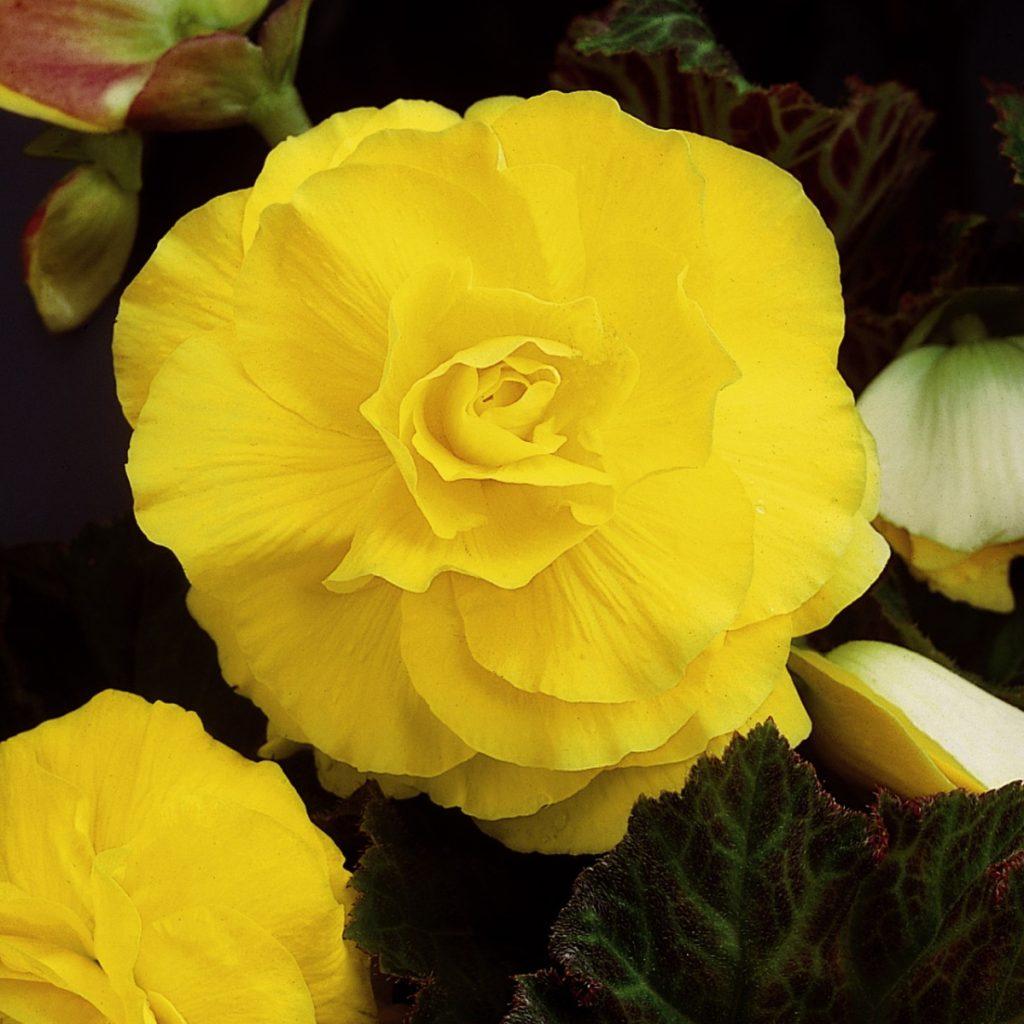
Several Begonia species are known for their edible parts. The most commonly used varieties include Begonia cucullata and Begonia grandis, both of which produce flowers and leaves that are safe to consume. The flowers of these species add a sharp, tangy flavour to salads and desserts, while the stems can be cooked down to mellow their acidity. Begonia rex, though primarily grown for its striking foliage, also produces edible flowers that can be used as decorative garnishes. Tuberous varieties of begonia are the type that are edible, like the Begonia Tuberous Double Yellow
It is essential to note that not all Begonia species are safe to eat. Some varieties contain oxalic acid, which can cause digestive discomfort if consumed in large quantities. Always confirm the edibility of your specific Begonia variety before use.
Planting and Caring for Begonias
Begonias are typically planted in the spring, once the threat of frost has passed. Depending on the species, they thrive in well-draining, slightly acidic soil and prefer partial shade to full sun. In containers, make sure to use a high-quality potting mix and provide adequate moisture without waterlogging the roots. In garden beds, incorporating organic matter into the soil can help retain moisture and improve soil structure.
Best Practices for Harvesting Begonia Flowers and Leaves
To harvest Begonia flowers and leaves, gently pick fresh, unblemished parts in the morning when the plant is well-hydrated. Use scissors or garden shears to avoid damaging the plant. Store harvested parts in the fridge, wrapped in a damp cloth, to maintain freshness for a few days before use.

Culinary Uses of Begonias
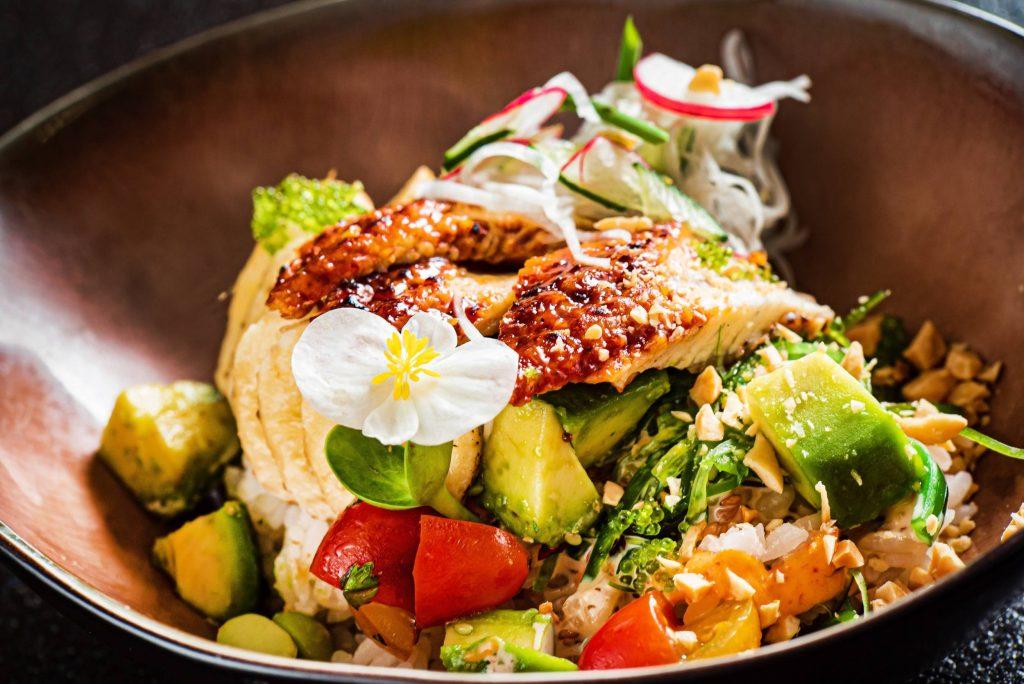
Begonia flowers are often used to add a vibrant touch and zesty flavour to salads, fruit dishes, and beverages. They can also be candied to make decorative edible garnishes for cakes and pastries. The stems, particularly of Begonia grandis, can be cooked into a sauce, lending a tangy flavour similar to rhubarb. Incorporating fresh Begonia leaves into a salad introduces a mild tartness, balancing sweeter ingredients like berries or honey dressing.
While Begonias can add a flavorful twist to many dishes, always ensure moderation, as excessive consumption may lead to digestive discomfort due to the natural acidity present in some species.