
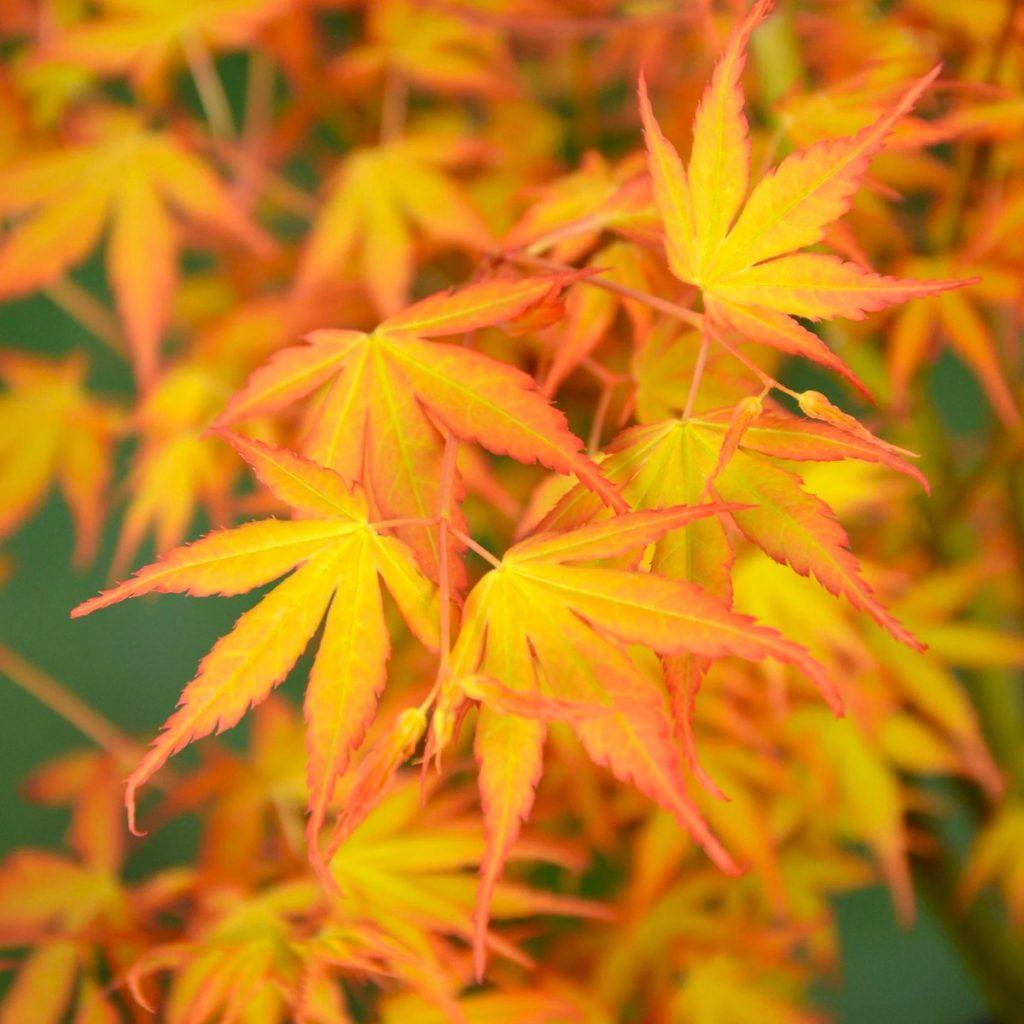
Acers, or maples, are mostly deciduous trees or shrubs prized for their eye-catching and distinctive leaves. Some have attractive stems and bark, and most provide a vivid autumn colour. In medium-sized or larger gardens, acers like the Red Canadian Maple form stunning specimen trees. Japanese maples are generally smaller varieties of acer that can flourish in containers in the smallest gardens or work just as well as part of a shrub border.
Culinary history of Acers
Acer, or Maple trees, are best known for producing sap that can be turned into Maple Syrup. The indigenous people of North America are considered the first groups to have produced maple syrup, which was used as a source of nutrition and energy. Prior to the 19th century, maple syrup was used as a replacement for cane sugar, which would have had to be imported from the plantations in the Caribbean. Today, Canada produces over 80% of the world’s maple syrup. The maple leaf is synonymous with Canada, appearing on their distinctive red and white flag.
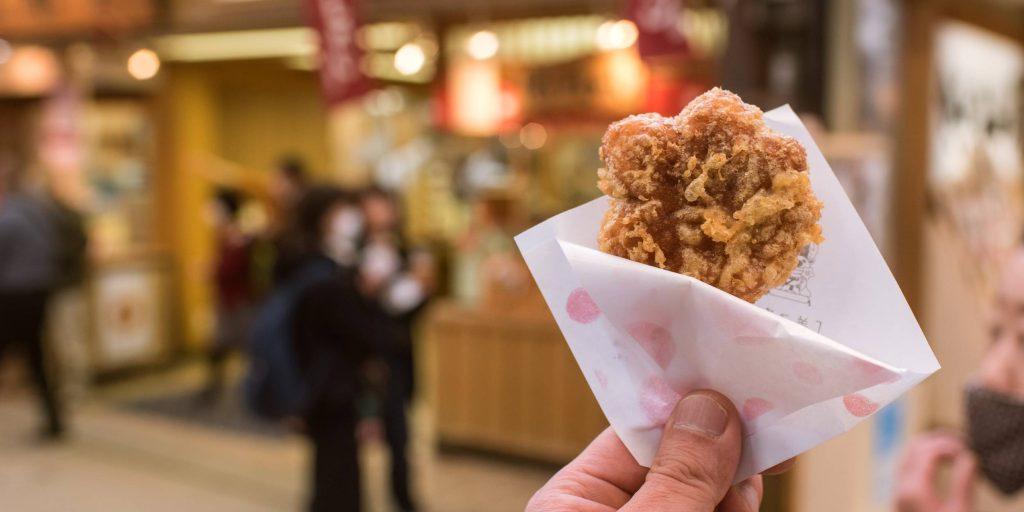
A delicacy in Japan is deep-fried maple leaves known as Momiji Tempura where the leaves are pickled in salt and then fried in a sweetened sesame batter.
Edible varieties of Acer
As mentioned, the sap of certain maple species are famously transformed into syrup, while young leaves can be used in salads or as garnishes. The Sugar Maple (Acer saccharum) and the Japanese Maple (Acer palmatum) are the most common varieties used for this purpose. The sugar maple, of course, is the preferred variety for this as the sugar content of the sap is far higher than the Japanese Maple. However, it is still possible to make syrup from the Japanese maple, which tends to be more common in your average garden thanks to its smaller size.
Other parts of the Acer plant are edible, including the leaves and seeds. The Red Maple produces tender young leaves that are perfect for adding to a fresh salad.
Planting and caring for Acers
It is recommended to plant Acers in early spring or autumn for optimal results. Acers thrive in any non-waterlogged soil, but for best results, consider using sandy, slightly acidic soil. They prefer full sun to partial shade and when selecting a location, choose a sheltered area that protects from extreme weather conditions. If you’re unsure about the level of shade in your garden, refer to our plants for shaded gardens guide to determine the most suitable options.
Best Practices for Harvesting Maple Sap and Leaves
To extract sap from an Acer, you must first ensure your tree is large enough to tap. The trunk must be large enough to make a two-inch hole which is at least 2 feet off the ground. Drill your hole upwards and insert a tree tap. Hang a bucket on the tree tap to collect your sap. If you need to store your collected maple sap before turning it into syrup, it is best to keep it as cold as possible in the fridge to ensure it doesn’t spoil. Only take what you need when collecting leaves, allowing the tree to continue thriving.

Culinary Uses of Acers
Once you have your maple sap, it can be turned into syrup. The variety of Acer you have tapped will determine how much syrup you can make from the sap. Higher sugar content sap, such as in the Sugar maple, will contain around 2% sugar. Therefore the amount of sap you have collected will give you a rough idea of how much syrup you’ll end up with. To make the syrup, simply boil your sap until the water has totally evaporated and you’re left with the sweet, sticky syrup.
Once you have your syrup, you can use it in a whole host of recipes. You can add it straight onto pancakes or porridge instead of honey, or use it as a glaze for roasting meat.
Aside from the syrup, young maple leaves can be battered and fried to make maple leaf tempura.