
Laurel Hedging is one of the most popular hedging choices for gardeners in the UK. Its dense, bushy habit and relatively easy care requirements make it the perfect choice for you to get started on that hedging project. Read on for the essential planting and care tips.
What is Laurel Hedging?
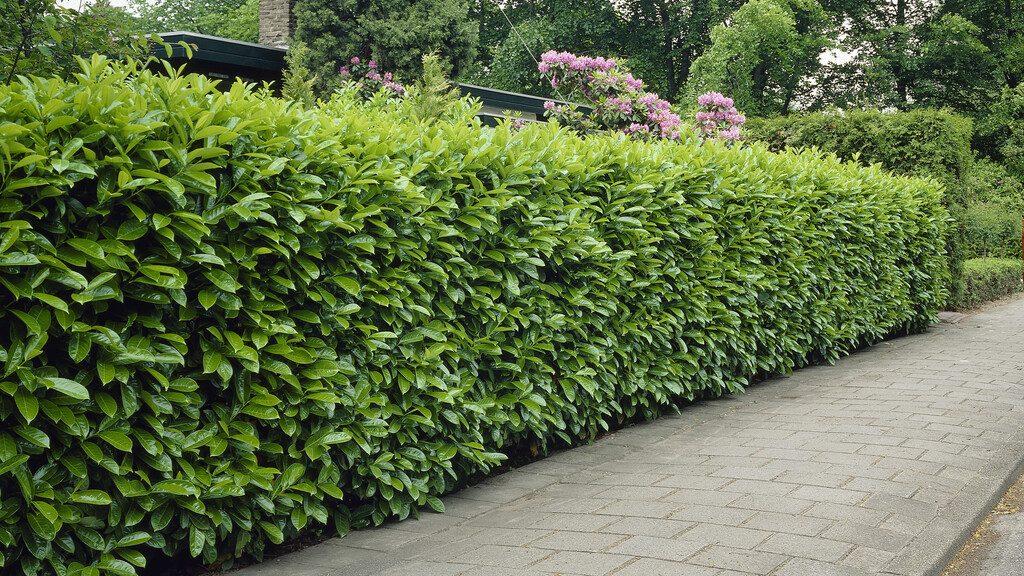
Laurel hedging refers to using a species of laurel plant to create a dense, green barrier in gardens or on a property, either to divide areas within the garden or to use as a boundary. Laurels are recognised by their glossy, evergreen leaves and grow into tall, bushy hedges. Historically, laurel has been used in landscaping for its aesthetic appeal and ability to provide privacy and shelter.
Laurel hedging provides gardeners with several benefits. Firstly, it provides an effective screen for privacy and noise reduction, making it an ideal choice for urban settings. Secondly, the aesthetic appeal of laurel hedges, with their lush green foliage, enhances the structure of your garden throughout the year, especially when they have been freshly pruned and shaped. Additionally, laurel hedges are easy to maintain, meaning you can get on with other jobs in the garden.
How tall does laurel hedging grow?
Laurel plants can be as small or as large as you need them, so they are a perfect choice for creating a hedge. If left unpruned, a laurel plant could grow up to five metres tall at its most mature. For most gardens, a hedge this tall would be far too large. Thankfully, laurel responds very well to pruning, so it can grow to its desired height and then be maintained at this size.
How Fast Does Laurel Hedging Grow?
Common laurel plants are considered fast growers, making them a fantastic option if you want your hedge to establish quickly. They’ll typically grow at around half a metre a year, depending on the conditions of your garden. Depending on the size you buy your plants, you can work out roughly how long you’ll have to wait for your fully grown hedge. Other varieties of laurel, like Portuguese laurel, are slightly slower growing at around 30/40cm a year.
Types of Laurel Hedging
Popular varieties of laurel used for hedging include the Cherry Laurel (Prunus laurocerasus), Portuguese Laurel (Prunus lusitanica), and the Bay Laurel (Laurus nobilis). Each variety has its characteristics, which you may choose depending on the type of hedge you need. As mentioned, Cherry Laurel is a faster-growing variety. In contrast, Portuguese laurel has smaller and slightly less glossy leaves, adding the potential for a different style of hedge in your garden.
How to Plant Laurel Hedging
When planting your hedge, it’s essential to be aware of the conditions preferred by laurel and whether it is the most suitable choice for the space where you intend to create the hedge.
Laurel generally prefers well-drained, fertile soil with a pH level between 6.0 and 7.0. It thrives in full sun to partial shade, making it versatile for different garden locations as long as it receives a good amount of sunlight.
How Far Apart Should You Plant Laurel?
When planting a laurel hedge, space the plants approximately 60-90 cm (2-3 feet) apart, depending on the desired density. If you have smaller plants, you may want to place them closer together or even in a staggered pattern to increase the density at an early stage. Place the laurel plants in the holes dug for your hedge, ensuring the root ball is level with the soil surface, and backfill the soil. Water thoroughly after planting to settle the soil around the roots.
When to plant laurel hedging
The best time to plant laurel hedges is during the spring or early autumn when the weather is mild, neither too hot nor too cold, as the new plants could be susceptible to frost damage.
When to Prune a Laurel Hedge
Once your newly planted laurel hedge has had a chance to establish itself and grow, it may have reached a point where it needs to be shaped and pruned into the stunning hedge you imagined. Generally, pruning laurel should be done in late spring when the frost has finished, or late in the summer. Ensure you’re using sharp, clean tools to prevent the spread of disease.
If you planted your hedge within the last year or so, there will not be much pruning needed, perhaps to remove any dead or out-of-place branches. Your hedge is still establishing itself and needs to continue growing, so avoid the temptation to prune too much!
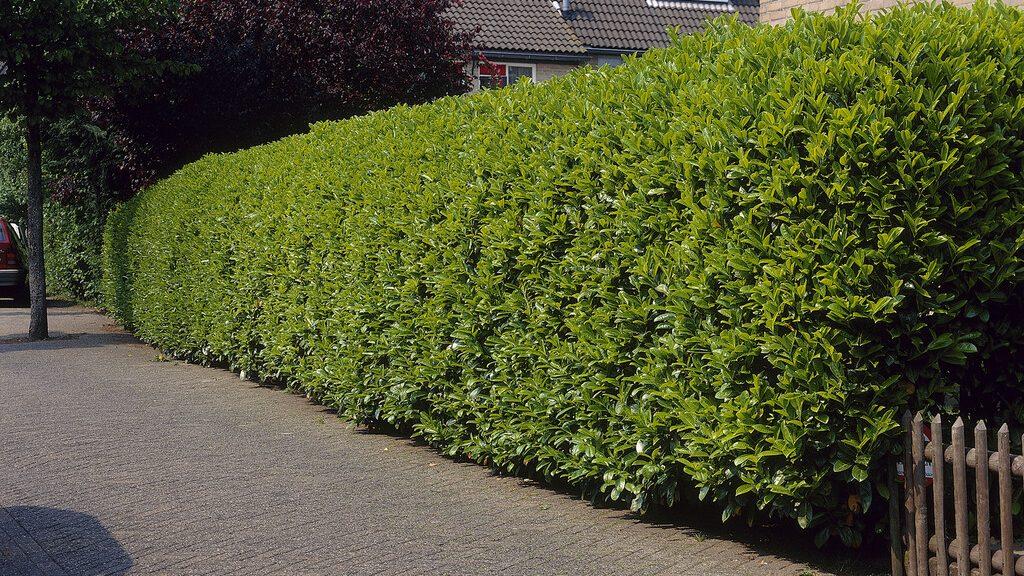
After a number of years of growth and light pruning, your laurel plants should start to form a dense, bushy hedge like in the image at the top of this article. Once your hedge is more established and taller, you may want to use an electric or petrol hedge cutter to create that signature square hedge look. A few more years of this type of pruning will create an even denser hedge, leaving you with a perfect boundary barrier. You can learn more about pruning hedges in our full guide.
Watering and Fertilisation
Proper watering techniques are vital for the health of laurel hedges. Newly planted hedges require regular watering until established, while mature plants need watering during dry spells. Recommended fertilisers include balanced, slow-release fertilisers that are applied in spring. Signs of nutrient deficiency, such as yellowing leaves, should be addressed promptly with appropriate fertilisation.
Common Pests and Diseases Affecting Laurel Hedging
Aphids and spider mites are common pests that affect laurel hedges. Natural solutions, such as introducing beneficial insects, can be effective, while chemical options should be used carefully. Preventative measures include maintaining plant health through proper watering and fertilisation.
Laurel hedges can be susceptible to diseases such as leaf spot and root rot. Symptoms to look for include discoloured leaves, wilting and holes in the leaves that look almost like Swiss cheese. Treatment options may consist of fungicides and improving drainage to prevent root rot. Increasing air circulation and avoiding overcrowding around the plants can also help with leaf spot. Ensuring dead and fallen leaves are cleared from the base of the plant can also help.
Conclusion
In summary, understanding the growth preferences and maintenance practices for laurel hedging is crucial for achieving a lush and healthy hedge. Remember to consider the best time to plant laurel hedging, follow proper watering and fertilisation practices, and stay vigilant against pests and diseases. With these expert tips, you can create a stunning laurel hedge in your garden.